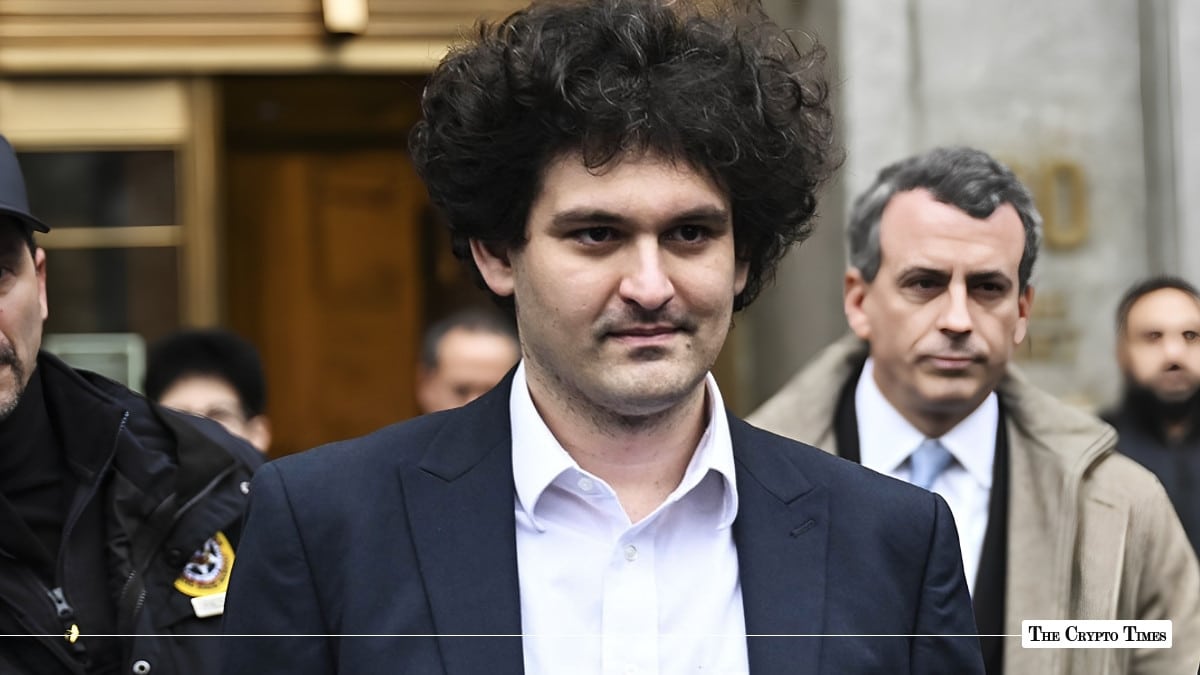
In a major ruling delivered on June 12, 2026, the U.S. Court of Appeals for the Second Circuit rejected Sam Bankman-Fried’s challenge to his fraud conviction and lengthy prison term.
The decision, first reported by Reuters, affirms the former FTX executive’s 2023 guilty verdict on seven counts of fraud and conspiracy tied to the misuse of billions in customer funds. Bankman-Fried, once a crypto billionaire, now faces the reality of serving most of his 25-year sentence.
Bankman-Fried’s legal team, led by Alexandra Shapiro, argued that his Manhattan federal trial was unfair. They claimed U.S. District Judge Lewis A. Kaplan wrongly blocked evidence that could have shown FTX was solvent but illiquid, preventing the defense from presenting a full picture to the jury. Lawyers also alleged judicial bias and contended that key rulings limited cross-examination and evidence on customer fund usage.
Oral arguments before a three-judge panel occurred in November 2025. The judges expressed skepticism toward these claims, probing whether any evidentiary exclusions actually affected the verdict. The appellate court ultimately sided with prosecutors, finding no reversible error in the trial proceedings. This exhausts Bankman-Fried’s primary direct appeal path, though he could still seek en banc review or petition the U.S. Supreme Court—options with historically low success rates.
Earlier this year, Bankman-Fried filed a pro se motion for a new trial citing alleged new evidence and bias. Judge Kaplan denied it in April 2026, labeling the effort a “reputation-rescue plan.” The founder even tried to withdraw the motion, but the judge ruled anyway, further narrowing his options. Reports indicate he has also applied for a presidential pardon, though its prospects remain unclear.
Background of the FTX Collapse
The case stems from FTX’s dramatic November 2022 bankruptcy. Once valued at $32 billion, the exchange imploded after revelations that customer deposits were funneled to Alameda Research, Bankman-Fried’s hedge fund, for risky trades, personal luxuries, and political donations.
Prosecutors estimated losses at roughly $8 billion or more. A month-long trial in late 2023 featured damning testimony from former executives, including Caroline Ellison, who detailed unauthorized transfers.
The jury convicted Bankman-Fried on all counts. In March 2024, Judge Kaplan imposed a 25-year sentence, calling it a massive breach of trust that harmed thousands of victims. Bankman-Fried has consistently maintained his innocence, insisting customers were ultimately made whole through bankruptcy recoveries—many of whom have indeed received over 100% of deposits with interest.
The scandal rocked the crypto world, accelerating regulatory crackdowns by the SEC and CFTC while highlighting risks in unregulated exchanges.
Reactions and Broader Implications
Crypto communities reacted swiftly on platforms like X, with many expressing schadenfreude through memes and comparisons to Binance founder Changpeng Zhao’s much shorter sentence. Comments ranged from “justice served” to debates over sentencing fairness.
Legal experts see the upheld conviction as a pivotal moment affirming accountability in digital finance. It underscores that innovative business models do not exempt leaders from fraud laws. For victims, the ruling brings partial closure after years of uncertainty. At age 34, Bankman-Fried continues serving time in federal custody.
While further legal maneuvers are possible, today’s decision solidifies one of the most significant white-collar convictions in recent U.S. history. The FTX saga remains a cautionary tale of ambition, mismanagement, and the high cost of betraying public trust in emerging markets.
Will Donald Trump Pardon SBF?
Last week, Sam Bankman-Fried has formally applied for a presidential pardon from President Donald Trump, filing the request with the Department of Justice’s Office of the Pardon Attorney earlier in 2026 for a “pardon after completion of sentence.” The application remains listed as “pending.”
However, the prospects appear extremely slim. In a January 2026 interview with The New York Times, Trump explicitly stated he has no plans to pardon Bankman-Fried, grouping him with other high-profile figures he has ruled out for clemency. The White House has since reiterated this position when asked about the new application.
Legal experts and political observers describe the bid as a long shot. Despite SBF’s public efforts—including complimentary posts on X and a jailhouse interview—Trump has shown no indication of shifting his stance. Many in Congress, including some crypto-friendly lawmakers, have also opposed any pardon, citing the scale of the fraud and harm to victims.
While presidents have broad pardon powers, Bankman-Fried’s case involves one of the largest financial frauds in U.S. history, making executive clemency politically and publicly challenging. For now, the 25-year sentence stands firm, with the pardon route offering little realistic hope of early relief.
Also read: Why Did TRUMP Coin Pump 23.39% After Trump’s Iran Peace Claim?