Key Highlights
- The Trump family made about $2.3 billion from crypto projects, while investors lost roughly the same amount.
- Earnings came mainly from token sales and meme coins like World Liberty Financial and $TRUMP, often with very low upfront investment.
- Investors suffered significant losses across several projects after prices fell following periods of intense speculation.
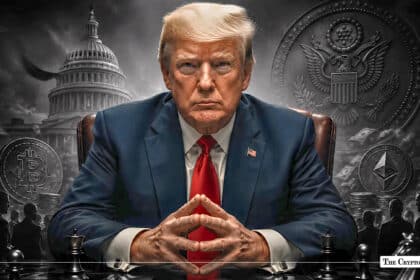
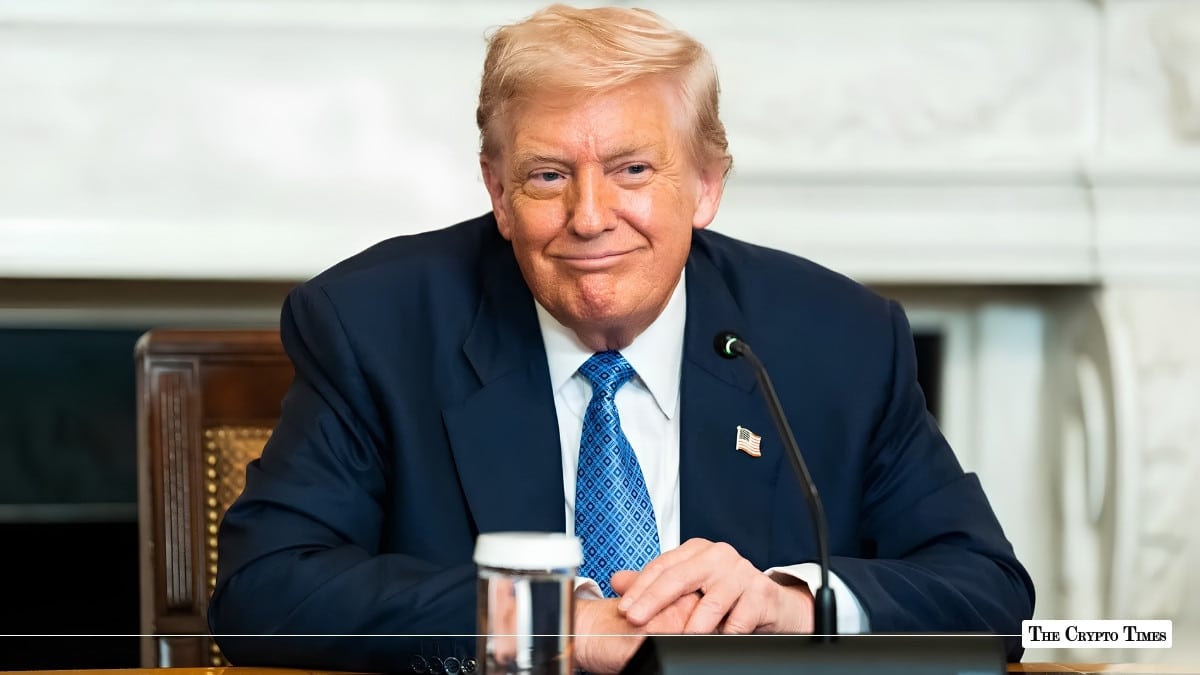
U.S. President Donald J. Trump and his family are reported to have earned around $2.3 billion from crypto-related projects, while investors in those same projects lost a similar amount.
According to a Reuters investigation covering the period from mid-2024, when Trump was running for president again, through 2025, several crypto projects linked to him saw growth and attracted public attention.
However, the report focuses not only on how much money was made, but also on how those gains were generated while many retail investors ended up on the losing side.
How the family made its money
According to Reuters, the Trump family generally did not contribute substantial capital to these projects. In many cases, startup costs were very small, sometimes less than $1 million, and in some cases, possibly close to zero. Instead of investing large amounts of cash, they often received tokens or ownership shares for using their name, promoting the projects, or being linked to them.
Reuters reported that World Liberty Financial, one of the family’s linked projects, which was launched in 2024, alone raised about $1.4 billion through token sales, with the family receiving nearly $987 million or more, depending on estimated additional token movements.
One disputed allocation of 3 billion tokens, which some experts believe was likely sold but not fully disclosed, could represent as much as $460 million in additional revenue.
Profits from $TRUMP memecoin and other crypto deals
A second major revenue stream came from the $TRUMP meme coin project, which Reuters estimates generated about $1.2 billion in sales, with the Trump family receiving roughly $616 million as their share of profits.
Some experts believe the real number could be even higher because the coin depended heavily on Trump’s influence and public promotion. The deal structure also reportedly gave the family up to 75% of token revenue in some cases, showing how large their cut could be.
The family also benefited from other crypto-related companies, including ALT5 Sigma and American Bitcoin, through equity stakes reportedly received without direct cash investment.
For example, Eric Trump’s stake in American Bitcoin was worth over $70 million at one point. ALT5 Sigma also helped direct money into World Liberty tokens, sending over $500 million to Trump-linked interests through token purchases.
Heavy losses for investors
While the Trump family gained, many investors lost money. Reuters estimates that those who bought World Liberty tokens lost about $674 million as prices fell after early trading.
Investors in the $TRUMP coin lost more than $700 million after buying at high prices and watching the value fall. Shareholders in ALT5 Sigma lost about $675 million, and American Bitcoin investors lost over $200 million after sharp price drops. In short, many people bought in when excitement was high, but the value fell later.
Blockchain analysis cited by Reuters found that a relatively small group of early traders generated profits, while most retail participants entered at higher prices and exited at losses. Total spending on $TRUMP reportedly reached about $1.2 billion before the token’s value fell to roughly $521 million.
Broader context
The report highlights the growing intersection between political influence and crypto markets. Instead of traditional fundraising or equity investment, value is being extracted through token sales that rely heavily on public attention cycles.
Some projects argued that their tokens were not investment products, while experts questioned whether early selling patterns and insider allocations created uneven risk exposure. Reuters also noted that some token movements could not be fully verified as sales or other financial uses, leaving parts of the flow of money unclear.
What makes the story significant is not just the scale of the profits, but the structure behind them: a system where visibility drives demand, insiders benefit early, and later buyers carry the downside when prices fall.
Also Read: Eric Schmidt-Backed Keeta Teams With UAE’s ASK Group to Tokenize Oil, Gold, and Silver