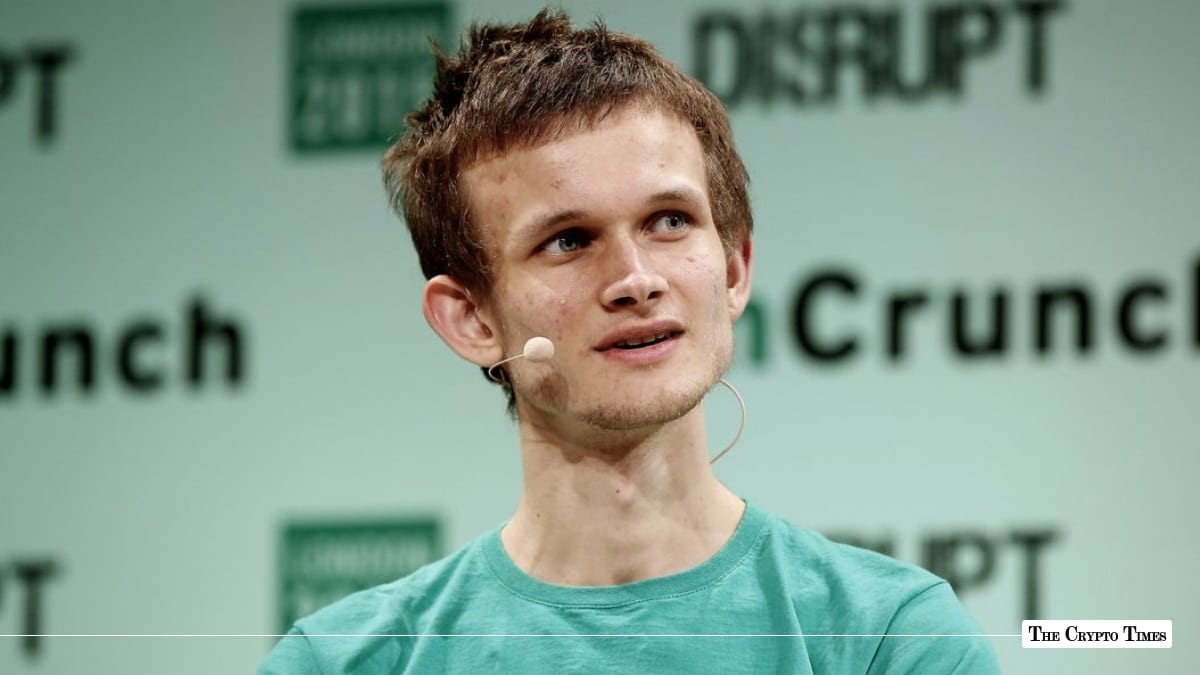
Ethereum co-founder Vitalik Buterin has raised new concerns about the future of software security as artificial intelligence improves bug discovery tools.
In a post on X on Monday, Buterin said AI could expose serious weaknesses in blockchains, cryptography systems, and decentralized applications unless developers adopt stronger verification methods.
“Many people have claimed that with AI-assisted bug finding, secure code (and hence trustless anything) will be impossible,” he wrote. However, he pushed back against that view. “I have a much more optimistic take, and AI-assisted formal verification is a major part of the reason why.”
His comment arrives as the tech industry races to integrate AI into software development. At the same time, cybersecurity researchers warn that advanced AI models could identify vulnerabilities faster than human engineers can fix them. As a result, Buterin believes formal verification could become a critical defense layer for Ethereum and other digital infrastructure systems.
Formal verification gains momentum
Buterin described formal verification as a way to mathematically test software before hackers can exploit weaknesses. Developers use tools like Lean to confirm that programs behave exactly as intended. The process also helps computers detect coding mistakes that human reviewers could miss.
He said researchers now combine AI models with verification systems to produce faster and safer code simultaneously. This shift could become increasingly important as AI tools generate larger amounts of software across the tech industry. Buterin also pointed to comments from researcher Yoichi Hirai, who described the approach as “the final form of software development.”
Additionally, Buterin highlighted security work involving Signal and modern encryption systems. Researchers already use formal verification to test protocols like X3DH and AES encryption. As a result, users may eventually trust critical software without inspecting every line of code themselves.
Ethereum security under pressure
Buterin warned that increasingly powerful AI tools could expose weaknesses across smart contracts and decentralized finance platforms much faster than developers can respond. He said attackers may soon identify software flaws in minutes, raising fresh concerns across the blockchain industry. He also cautioned that exploits involving zero-knowledge systems could become harder to trace after funds disappear.
Still, Vitalik Buterin pushed back against arguments that open-source software and smart contracts have become too risky to maintain. Instead, he said developers can still defend critical systems through stronger verification methods, safer programming languages, and tighter software design standards. He also highlighted projects such as Arklib and evm-asm, which focus on securing cryptographic infrastructure and Ethereum Virtual Machine software.
At the same time, Buterin acknowledged that formal verification cannot prevent every failure. Developers could still overlook hidden assumptions, hardware flaws, or security gaps outside verified code. Even so, he argued that AI-assisted verification could eventually strengthen the internet’s most important digital systems. As a result, he believes platforms like Ethereum and future operating systems could become highly trusted “secure cores” for online infrastructure.
Also Read: New Phishing Scam Uses Google Email System to Target Crypto Users