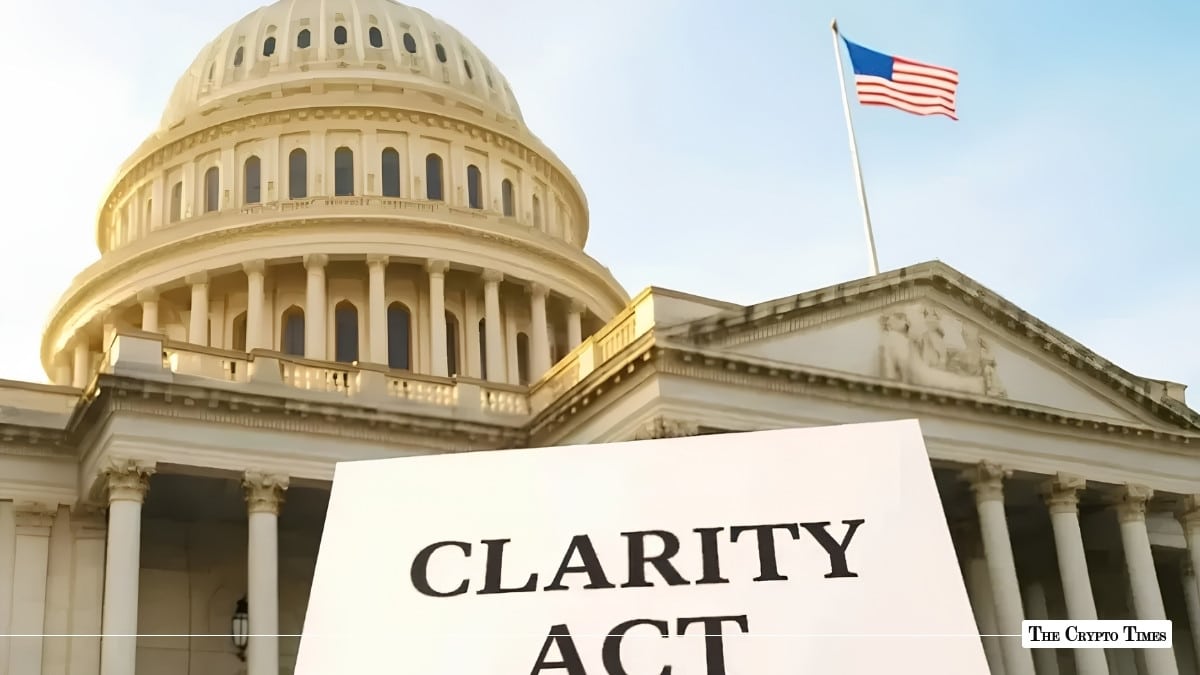
AARP, formerly the American Association of Retired Persons, has endorsed a consumer protection section in the Senate’s Digital Asset Market Clarity Act, or CLARITY Act, arguing that the measure would help curb a surge in fraud involving cryptocurrency kiosks.
In a May 13 letter to Senate Banking Committee Chairman Tim Scott and Ranking Member Elizabeth Warren, the advocacy group said Section 205 of the bill “takes a critical step toward protecting older Americans from one of the fastest-growing and most devastating fraud vectors in the country today.” The letter was shared by Emily Wilkins in an X post.
AARP, which represents roughly 125 million Americans age 50 and older, urged lawmakers to preserve the language during committee markup and throughout the legislative process.
Section 205 targets crypto kiosk operators
Section 205 would require operators of cryptocurrency kiosks, commonly known as crypto ATMs, to register with the U.S. Treasury as money transmitters. The provision also explicitly preserves the authority of states to impose stronger consumer protections, a feature AARP said is essential as state governments continue responding to a rise in crypto-related scams.
AARP called the federal registration requirement “a floor, not a ceiling,” noting that states should remain free to enact stricter rules where needed.
Older Americans hit hard by crypto ATM scams
According to AARP, crypto kiosks have become a favored tool for scammers posing as government officials, technical support representatives, or businesses. Victims are often instructed to withdraw cash and deposit it into a kiosk, sending funds directly to wallets controlled by fraudsters. Once the transaction is completed, the money is usually difficult to recover.
The group cited Federal Bureau of Investigation data showing that in 2025, the agency received more than 13,460 complaints involving crypto kiosks, with reported losses exceeding $389 million. AARP said the true scale of losses is likely higher because many incidents go unreported.
AARP noted that 29 states have enacted laws to regulate crypto kiosks, including 12 in 2026 alone. Three states, Indiana, Tennessee, and Minnesota, have adopted outright bans, while several others, including Washington, D.C., have issued regulatory guidance.
These measures include transaction limits, mandatory fraud warnings, refund rights, fee disclosures, and licensing requirements.
Support adds consumer voice to CLARITY debate
AARP’s endorsement adds a consumer advocacy perspective to the debate over the CLARITY Act, which is primarily focused on establishing a regulatory framework for digital asset markets. While much of the discussion around the bill has centered on market structure, decentralized finance, and stablecoin rules, Section 205 has drawn support for addressing a specific and growing fraud issue.
The Senate Banking Committee is expected to review the legislation on Thursday as lawmakers consider amendments before a committee vote.
Also Read: Coinbase CEO: CLARITY Act Is ‘Closer Than Ever’ Ahead of Key Vote