Key Highlights
- DFL Rep. Erin Koegel introduced House File 3642, which would prohibit the placement or operation of virtual currency kiosks anywhere in Minnesota.
- Law enforcement testimony before the House Commerce Finance and Policy Committee (which Koegel co-chairs) highlighted how scammers exploit the kiosks to trick victims, especially the elderly, into depositing cash for irreversible cryptocurrency transfers.
- The Minnesota Department of Commerce strongly supports the ban and plans to introduce broader consumer protections soon.
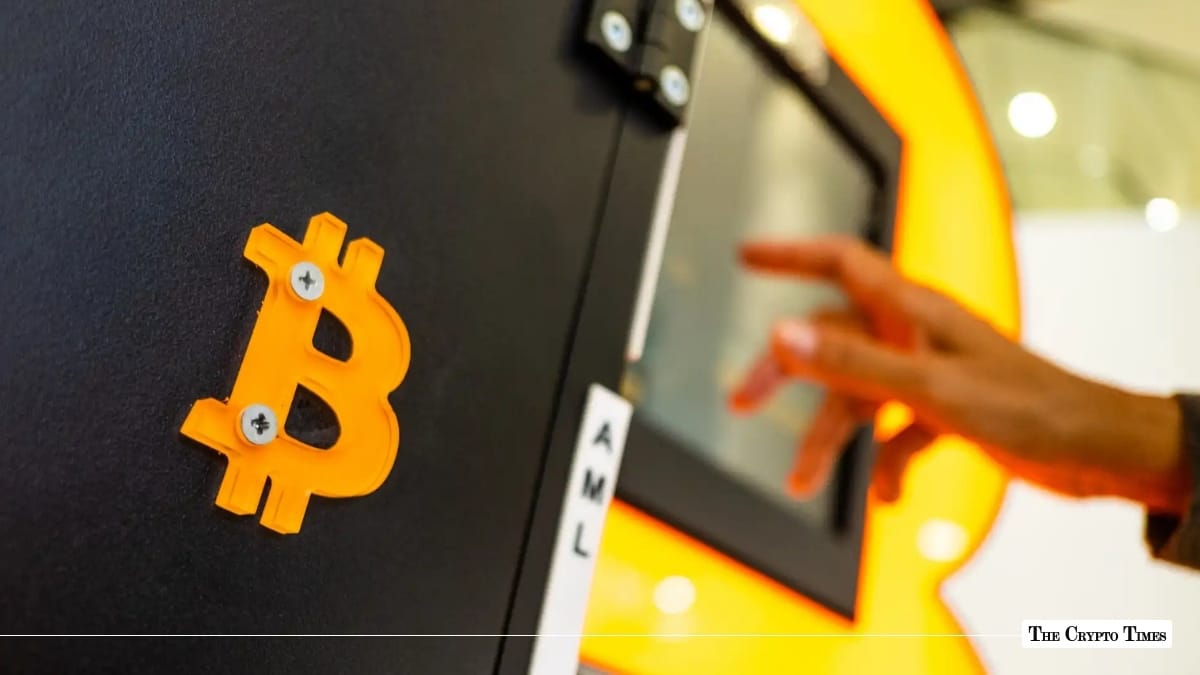
Lawmakers from the U.S. state of Minnesota are moving to outlaw cryptocurrency kiosks statewide, citing a surge in scams that have particularly targeted elderly residents.
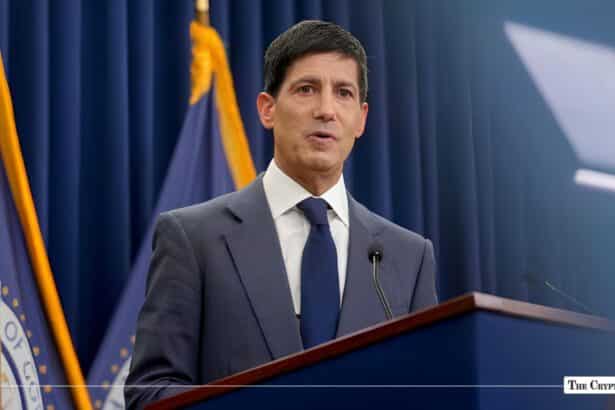
The Minnesota Democratic–Farmer–Labor Party (DFL) Rep. Erin Koegel of Spring Lake Park introduced House File 3642 on February 23, 2026, to prohibit the placement or operation of virtual currency kiosks, commonly called Bitcoin ATMs or crypto kiosks, anywhere in Minnesota.
On Thursday, the bill drew testimony before the House Commerce Finance and Policy Committee, which Koegel co-chairs. The measure would repeal roughly two dozen sections of state law enacted in 2024 that had regulated the machines through licensing, disclosures, and transaction limits.
Kiosks’ increasing use in crimes
Law enforcement officials described the kiosks as prime tools for fraudsters, often overseas-based, who trick victims into feeding cash into the machines to send cryptocurrency irreversibly.
One case highlighted involved an elderly woman on a fixed income who sent about half her monthly checks over six months, totaling roughly $80,000 in losses that left her facing housing instability and requiring adult protective services intervention.
About 350 licensed kiosks currently operate in Minnesota, run by eight to 10 companies. The Department of Commerce has strongly backed the ban and plans to roll out broader consumer protections soon.
Koegel emphasized the proposal targets only physical kiosks, but online crypto transactions would remain allowed. It currently remains in committee with no vote yet scheduled.
Also read: US Judge Blocks Binance from Arbitration Over Crypto Losses