Key Highlights
- Crypto assets are held by only 4% of Danes, most of whom have less than DKK 10,000 worth of crypto.
- Crypto holdings have not changed significantly from levels recorded in 2023.
- Men between the ages of 18 and 39 have shown more interest in crypto markets.
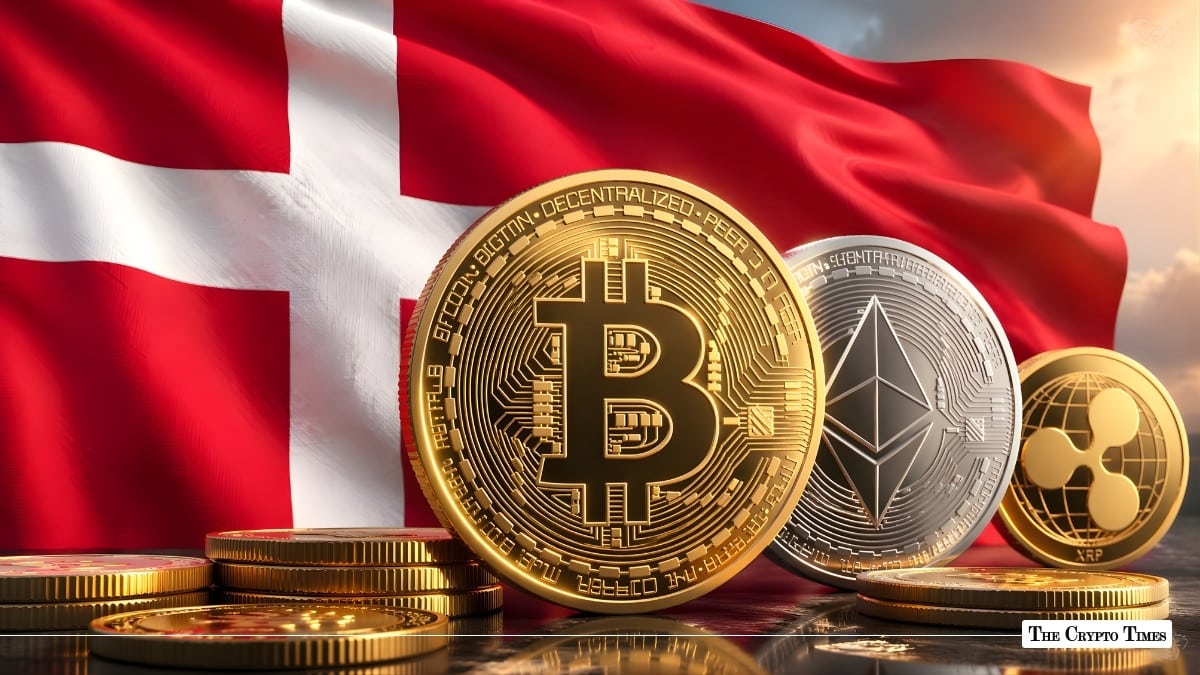
Only 4% of Danish citizens own crypto-assets, with most holding less than DKK 10,000, according to a new staff paper released by Danmarks Nationalbank. The findings show that direct ownership of cryptocurrencies and other crypto assets among Danish households has shown minimal change since the central bank’s 2023 survey.
The report, titled “Citizens’ exposure to crypto-assets remains low,” highlights that while global crypto markets have seen significant volatility and growth in recent years, adoption in Denmark still lags behind many other European countries. The report also suggests that crypto-assets are not yet a major component of household wealth in the country.
Surge in indirect exposure
While direct holdings are still comparatively stable, a surge has been noticed in citizens’ investments in securities associated with crypto-assets since 2023. These include products such as exchange-traded funds (ETFs), structured notes, or funds that provide exposure to Bitcoin, Ethereum, or broader crypto markets without requiring direct ownership of the underlying assets.
Regardless of this uptick, the overall value of these direct investments is lower than the value of direct crypto-asset holdings. Due to this, the country’s overall household exposure to the crypto sector in 2025 stays limited.
The central bank continues to monitor developments closely, emphasizing that unbacked crypto assets carry high volatility and speculative risks for individual investors.
Low crypto adoption reflects financial stability
The findings line up closely with the Danmarks Nationalbank’s 2023 household survey, which also reported ownership rates below 4%. At that time, the central bank highlighted that crypto-assets were not broadly held by households or financial institutions in the country, referring to them as speculative assets having limited systemic impact.
The lesser direct ownership may indicate various factors such as Denmark’s strong traditional financial system, increased levels of trust in regulated banking and investment products, and a cautious approach among retail investors toward volatile digital assets.
The younger generation, mainly men aged 18–39, has relatively higher ownership rates, consistent with broader Nordic trends. However, the gradual rise in crypto-linked securities highlights growing institutional integration.
Danmarks Nationalbank also highlighted that current exposure levels remain too small to threaten the stability of the Danish financial system. Banks and other financial institutions have minimal direct involvement with crypto-assets, further reducing potential contagion risks.
Investment in BTC and ETH ETPs
In a separate development, in February 2026, Denmark’s largest bank, Danske Bank, announced offering customers the ability to trade Bitcoin and Ethereum using exchange-traded products (ETPs).
The ETPs were available to customers through eBanking and mobile applications for those who chose to trade on the platform independently without any financial advice. It is the first time that customers in Denmark will get the chance to invest in Bitcoin and Ethereum without having to go through the process of buying cryptocurrency or storing it in a digital wallet.
Bigger picture
The study comes at a time when there is a changing regulation in the European Union concerning MiCA, an initiative meant to mitigate dangers even as it spurs innovations. The Danish government continues to participate in global debates regarding cryptocurrency management, data collection, and consumer rights.
Although the general assessment is promising for financial stability, the bank warned that the risk scenario could alter in the event of growth in the markets or a change in the behavior of investors.
Also Read: UK Crypto Rules Advance as FCA Opens Public Consultation