Key Highlights
- Bitwise’s CIO calls banning Bitcoin in 401(k)s “ridiculous,” saying some stocks are even more volatile.
- Bitcoin swung 65% in a year, while Nvidia stock moved 120%, showing volatility isn’t unique to crypto.
- Sen. Warren warns that crypto in 401(k)s risks workers’ retirement savings due to volatility and high fees.
The debate over whether cryptocurrencies like Bitcoin should be allowed in U.S. 401(k) retirement plans has intensified, drawing sharp opinions from both lawmakers and industry leaders.
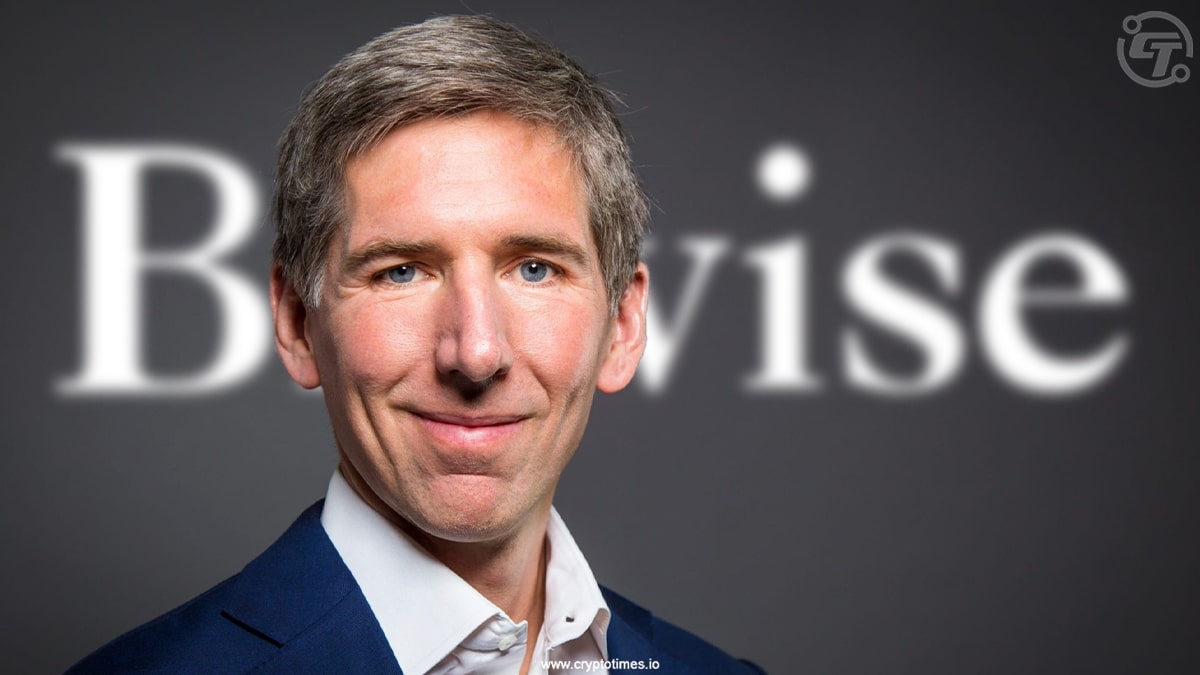
Bitwise, a crypto-asset management company, referred to the “ridiculous” fear of Bitcoin in retirement accounts and asserts that excluding crypto is inconsistent with how other volatile assets are treated. Matt Hougan, Bitwise’s Chief Investment Officer, made the remarks during an interview, pointing out that some well-known stocks can experience even greater price swings than Bitcoin.
“This is just another asset. Does it go up and down? Absolutely. Is there risk in it? Absolutely. But it’s actually less volatile over the last year than Nvidia stock, and you don’t see any rules about banning 401(k) providers from offering Nvidia stock,” Hougan said.
To put it in perspective, Bitcoin’s price swung about 65% between April and October 2025. During the same period, Nvidia shares moved roughly 120%. Hougan’s point: volatility alone shouldn’t automatically exclude crypto from retirement plans.
Warren raises concerns
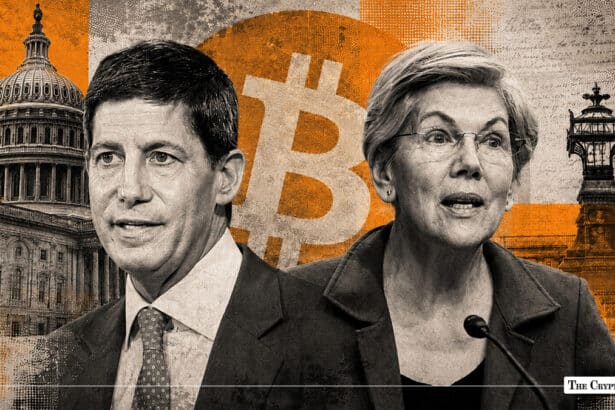
Meanwhile, U.S. Sen. Elizabeth Warren has raised valid concerns about the risks associated with the addition of crypto to 401(k) plans. In her letter to the Securities and Exchange Commission (SEC) Chair Paul Atkins, Sen. Warren highlights the purpose of 401(k) accounts, which offers financial security, not speculative investments.
“For most Americans, their 401(k) represents a lifeline to retirement security rather than a playground for financial risk. Allowing crypto into American retirement accounts creates fertile ground for workers and families to lose big,” Warren wrote. She also pointed to crypto’s higher fees, volatility, and the lack of standardized methods for predicting returns.
The letter from Warren asks the SEC to clarify how the latter deals with risks surrounding crypto assets. Specifically, she seeks answers on how the SEC addresses issues regarding crypto asset holdings’ valuation by publicly listed companies, as well as educational support for investors.
Warren’s inquiries occur against the background of legislative initiatives to incorporate the crypto markets into a proper regulatory framework. This is being followed by two Senate committee hearings focused on crypto market structure.
Trump’s executive order
The talk about adding crypto to 401(k)s comes after the US President Donald Trump signed an executive order in August 2025. The order asked the Labor Department to review rules on alternative investments in retirement plans.
This opened the door for cryptocurrencies, private equity, and other non-traditional assets to be offered in 401(k)s—a big change for U.S. retirement policy. Since then, the Labor Department has taken a “neutral stance” on crypto, removing earlier guidance that discouraged it.
Future outlook and considerations
Industry experts say adoption may be slow, but they expect crypto to eventually become a normal option in retirement accounts. “These are very slow-moving institutions, but we’re moving in that direction,” Hougan said. “Eventually, it’ll be treated like any other asset, which is how it should be.”
Employers also have a big responsibility. They need to carefully check any alternative investments for risk and make sure workers understand that crypto can be very volatile. Regulators like the SEC and the Labor Department will keep guiding how to balance new investment options with protecting people’s savings.
The debate over Bitcoin and other cryptocurrencies in retirement plans is really about a bigger question: how to safely bring new financial technologies into systems meant to secure people’s futures. Supporters say crypto can help grow and diversify savings, but critics worry it could be risky for everyday Americans counting on their 401(k)s.
Also Read: Bitcoin-Backed Securities Carry High Risk: Fitch Rating