Key Highlights
- Tether plans a $20B private share sale at a $500B valuation while exploring tokenized equity and share buybacks for investor liquidity.
- USDT reserves face scrutiny as riskier assets rise to 24%, with Bitcoin alone exceeding the overcollateralization buffer.
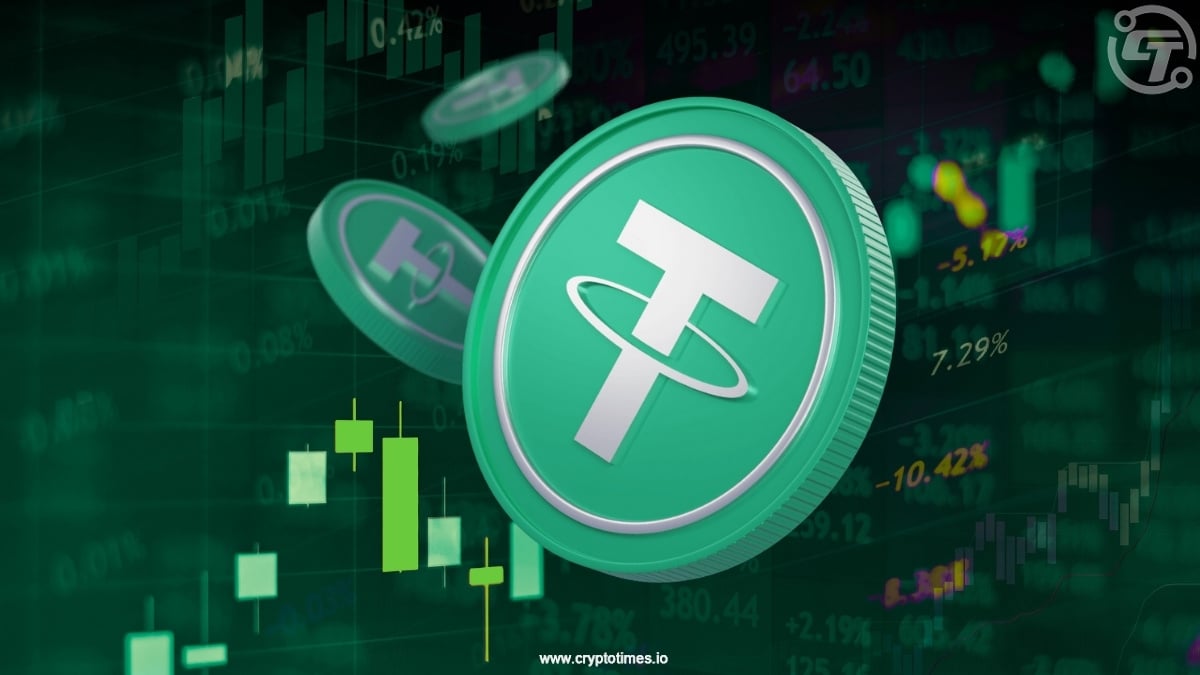
Tether is raising up to $20 billion through a private share sale, aiming for a $500 billion valuation, according to Bloomberg. The British Virgin Islands-based stablecoin issuer is exploring ways to provide liquidity to investors after halting unauthorized stake sales by existing shareholders.
As per the report, the fundraising could reshape Tether’s investor landscape, with the company weighing options like share buybacks and tokenizing equity on a blockchain. Top global investment banks are reportedly managing the offering.
Tether’s USDT token, with a market capitalization exceeding $120 billion, remains the world’s largest stablecoin. Earlier this year, the company blocked at least one shareholder from selling shares at steep discounts.
In a statement to Bloomberg, the company said it had assurances that such sales “will not proceed” and warned it would be “imprudent, and indeed reckless” to bypass official channels. Tokenization could allow fractional ownership and easier trading, appealing to crypto-savvy investors, and fits Tether’s push into real-world asset tokenization, including digitized stocks and bonds.
Rising risks in Tether’s reserves
There have been rising concerns about reserve management at Tether. The company maintains that its USDT stablecoin is backed on a 1:1 ratio with cash equivalents, U.S. Treasurys, and other assets.
A recent attestations report included a note indicating that there were approximately $130 billion worth of reserves as of late November. However, there have been calls for more transparency, particularly as S&P Global Ratings reduced its stability rating for USDT from 4 (“constrained”) to 5 (“weak”).
S&P highlighted the rising percentage of higher-risk assets that Tether holds, including gold, Bitcoin, and secured loans. Higher-risk assets comprise 24% of reserves compared with 17% a year ago, and with Bitcoins alone at 5.6% of circulation, surpassing USDT at 3.9% overcollateralization.
It warned about abrupt decreases within these assets, potentially making USDT undercollared, and pointed out “persistent gaps” in disclosures on custodians, valuations, and risk.
Operational challenges and market dynamics
Besides financial scrutiny, Tether doesn’t face operational setbacks either. In late November, it officially ceased operations in Uruguay, laying off 30 of its 38 local employees. In exchange, the company spent just over $100 million of its planned $500 million investment in data centers and renewable energy projects.
High energy costs and uncompetitive tariffs compelled Tether to exit the country, especially because crypto firms face a tough grind in some regions.
Stablecoins are also under regulatory pressure globally. The recent legislation in the U.S. to create a framework for dollar-pegged tokens has taken their market capitalization above $300 billion.
Tether’s $20 billion share sale reflects its growth plans but also the challenges stablecoins face. The company is exploring tokenized shares while dealing with reserve concerns, regulatory scrutiny, and operational issues.
Also Read: World App Launches Super App With Chat, Payments, and Mini Apps