Key Highlights
- Taiwan’s first regulated stablecoin could launch in the second half of 2026, depending on the progress of the Virtual Assets Service Act.
- Regulators have not yet decided whether the stablecoin will be pegged to the U.S. dollar or the New Taiwan dollar (NTD).
- Premier Cho Jung-tai has assured an updated report on seized Bitcoin and a full inventory before the end of the year.
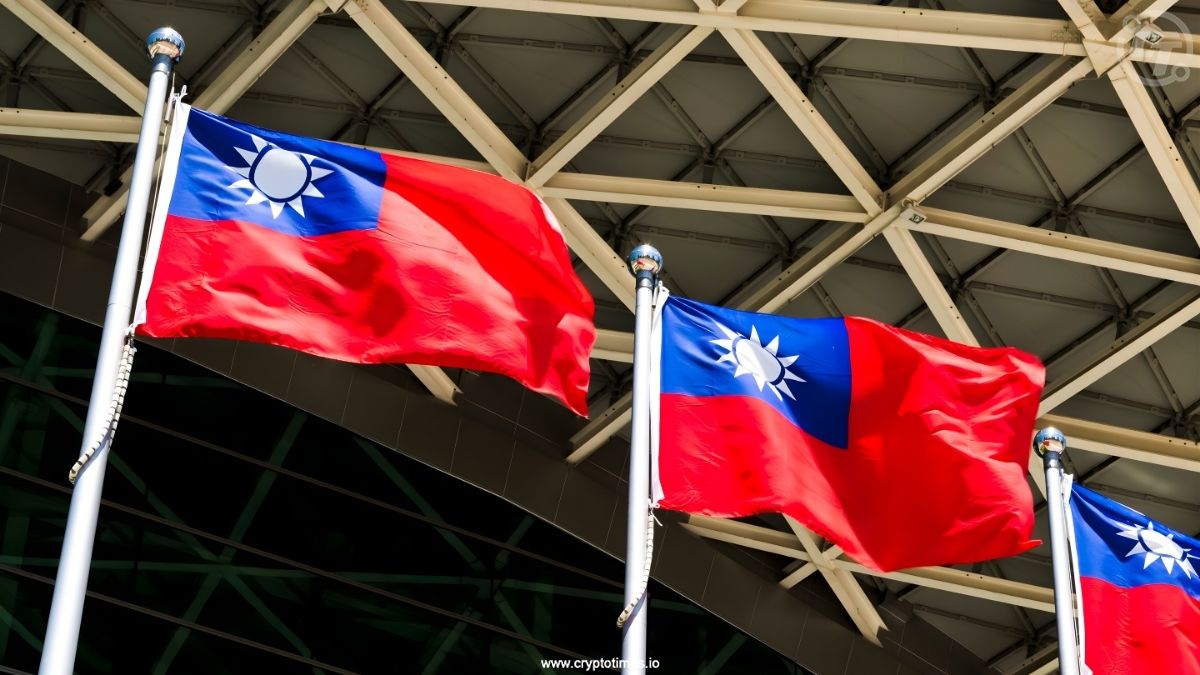
Taiwan’s Financial Supervisory Commission (FSC) says the country may see its first locally issued stablecoin as early as the second half of 2026, depending on how smoothly lawmakers move through the new crypto billAs per a report, FSC Chairman Peng Jin-long told legislators during a recent hearing that the stablecoin plan is tied to the Virtual Assets Service Act, which is currently moving through the review process. He added that if the bill progresses without delays, it could complete its third reading in the next legislative session.
Once the FSC announces the detailed rules needed to support the new law, there will be a six-month waiting period before anything can officially launch. Peng said this timeline puts the earliest possible release in “the latter half of 2026 at the earliest.”
Taiwan’s MiCA-influenced approach
Peng noted that the draft pulls ideas from the European Union’s Markets in Crypto-Assets Regulation, giving Taiwan a clear structure for managing digital assets. One point that caught attention is that the bill does not strictly require stablecoins to be issued by banks.
Even so, the FSC and the central bank have agreed that, at the start, only financial institutions will be allowed to issue them. Peng said this approach gives the project a safer foundation while the system is still new.
Currency peg remains undecided
A major question that still has no answer is what currency the stablecoin will follow. Peng said the token could be pegged to the U.S. dollar or the New Taiwan dollar (NTD), but no final choice has been made. A USD-backed option would avoid Taiwan’s strict rules that keep the NTD from circulating offshore.
An NTD-backed version, however, would fit local usage but could challenge long-standing limits meant to prevent unofficial offshore pricing. Regulators are now drafting rules requiring full backing, separate customer assets, and local storage of funds.
Meanwhile, there is a growing political conversation about digital assets in Taiwan. Legislator Ko Ju-chun recently said Taiwan should think about adding Bitcoin to national reserves, arguing that global central banks may begin holding digital assets by 2030. He also asked the government to finish reviewing Bitcoin seized in criminal cases. Premier Cho Jung-tai promised updated information before the end of the year.