Key Highlights
- Nithin Kamath says crypto derivative platforms operate in a risky regulatory limbo that is being exploited at the cost of retail traders.
- He warns that many platforms act as the counterparty, creating distorted incentives where the platform gains when traders lose.
- Kamath highlights extreme leverage of 100x–200x and the absence of clear rules as major risks that can quickly wipe out investors.
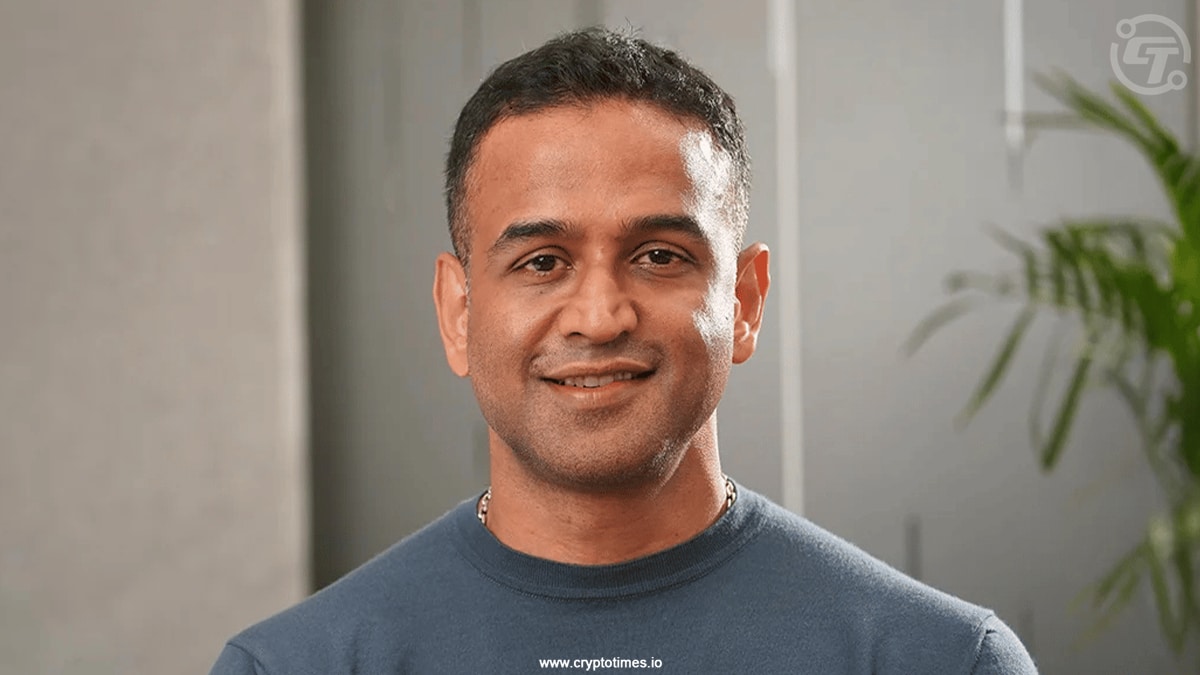
Zerodha founder and CEO Nithin Kamath has raised a fresh warning about crypto derivatives, calling the space “regulatory limbo” and pointing out that this grey zone is now being used in ways that can seriously hurt retail traders.
Kamath posted the note on X, where he compared the current state of these platforms to Schrödinger’s cat, “neither fully regulated nor unregulated.”
Kamath clarified right away that he wasn’t talking about people buying or selling cryptocurrencies like Bitcoin or Ethereum. His focus was on the fast-growing world of crypto futures and options, which many Indian traders have rushed into without fully understanding how the market actually functions.
“Nothing you can do if something goes wrong”
Kamath said the biggest worry with these platforms is the complete lack of recourse. “The first risk with unregulated platforms is, of course, that there’s nothing you can do if something goes wrong,” he wrote.
But the more serious issue, according to him, is not visible on the surface. In many of these derivative platforms, the exchange itself acts as the counterparty. That means the platform is essentially taking the other side of every trade, something that resembles old-style dabba trading or CFDs.
“If the platform is the house, the incentives are distorted. It’s good for the platform if the customer loses money because every customer win is the platform’s loss,” Kamath said.
This kind of structure naturally places traders at a disadvantage. Unlike stock exchanges, where buyers and sellers meet, crypto derivative platforms can directly profit from a trader’s loss.
High leverage makes it worse
The situation gets more dangerous because of the enormous leverage these platforms offer. Kamath pointed out that some allow 100x to 200x leverage — numbers that are unheard of in regulated markets. At that scale, even a tiny price move can liquidate a trader’s position.
“At that level, even a small move is enough to make you go bust,” he warned, adding that with crypto’s volatility, such events are almost “guaranteed.”
While experienced traders may understand what they’re getting into, the problem is that most new entrants see leverage only as a shortcut to big returns, without thinking about how quickly it can wipe them out.
A regulatory vacuum still exists
Kamath said the blurry regulatory environment around derivatives needs urgent clarity. “The lack of regulatory clarity on crypto derivatives is not a good thing in the long run for anyone and has to be fixed,” he wrote.
India still doesn’t have a law dedicated to cryptocurrencies. The government has signaled that it isn’t looking to introduce one soon, and the RBI continues to maintain that regulating crypto directly could unintentionally give it legitimacy. At the same time, a ban would not prevent Indians from trading on offshore exchanges, so the situation remains unresolved.
A fast-growing but risky market
Indian investors are estimated to hold around $4.5 billion in crypto assets — still small in the wider financial system, but enough for regulators to pay attention as derivative activity increases.
Kamath’s warning puts the spotlight back on a market that is expanding without guardrails. For now, anyone entering crypto derivatives is doing so in a space where the rules are unclear, the leverage is extreme, and the platform itself may be the opponent on the other side of every trade.
Also Read: India Targets Q1 2026 Launch for ARC Digital Rupee-Pegged Asset