Key Highlights
- Thailand’s SEC has opened a consultation on a proposed regulatory framework for domestic crypto ETFs.
- The proposed products would initially be limited to Bitcoin and Ethereum and follow a passive investment strategy.
- Crypto ETFs would need to maintain an average net exposure of at least 80% to their underlying digital assets.
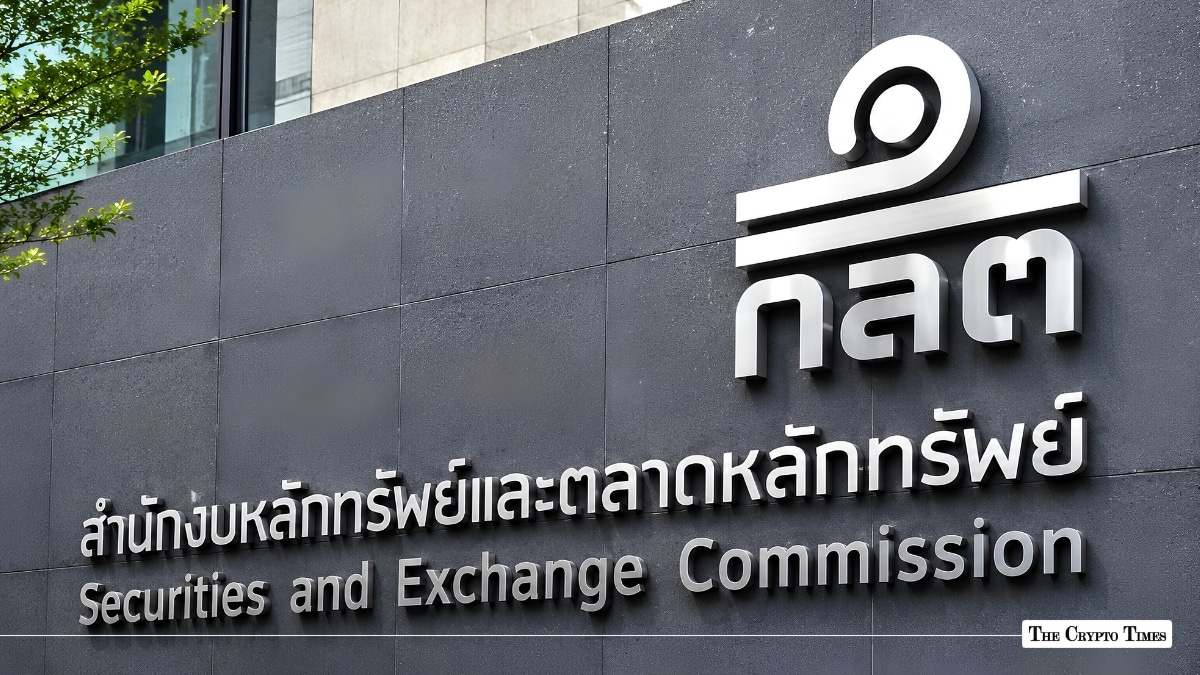
Thailand’s Securities and Exchange Commission (SEC) on Monday opened a public consultation on draft regulations for the establishment and oversight of crypto exchange-traded funds (ETFs) in the country.
According to the SEC’s official announcement, the proposed products would initially be limited to Bitcoin and Ethereum. The agency is also seeking feedback on principles governing the qualifications of foreign digital asset custodians that serve mutual funds and private funds investing in digital assets.
The consultation period runs until September 20, 2026, and stakeholders may submit comments through the SEC website or by email to designated addresses listed in the announcement.
Draft framework for domestic crypto ETFs
Under the proposed rules, crypto ETFs would be managed exclusively by asset management companies and would follow the existing regulatory framework applied to conventional ETFs, supplemented by specific requirements tied to digital assets.
Asset management companies seeking to launch such products would need to demonstrate readiness in personnel, systems, and service providers to support stable and secure operations.
The funds would be required to operate under a passive management model designed to track the price performance of the underlying cryptocurrencies. They would also need to maintain an average net exposure of at least 80% of net asset value to one or more cryptocurrencies over the accounting year.
Initially, only Bitcoin and Ethereum would be permitted as underlying assets. The SEC would determine eligible cryptocurrencies based on criteria including liquidity, general acceptance, network security, and investor protection considerations.
Investor disclosures and custody requirements
Crypto ETF assets would primarily be held with digital asset custodians licensed and regulated by the Thai SEC. Trading would be limited to stock exchanges, and additional investor-protection measures would apply.
These include mandatory risk education, confirmation that investors understand the product’s characteristics before trading, and emphasis on appropriate portfolio allocation that avoids concentrated exposure to digital assets. Asset managers would also be required to disclose sufficient information on the product’s structure, investment mechanisms, service providers, and specific risks.
The draft further proposes amendments that would allow Thai mutual funds and private funds to invest in domestically established crypto ETFs, subject to existing investment ratio limits. Previously, such funds could invest only in foreign crypto ETFs. The SEC has indicated it will not initially permit the issuance or offering of alternative products linked to foreign crypto ETFs.
SEC proposes flexibility for foreign custodians
Investment management of digital assets held by mutual funds would be restricted to designated Digital Asset Fund Managers to ensure appropriate expertise and regulatory oversight.
The SEC is also proposing to open registration as trustees for crypto ETFs to digital asset custodians and other qualified digital asset businesses under Section 121 of the Securities and Exchange Act B.E. 2535 (1992).
These entities would need to meet standards comparable to those applied to mutual fund custodians, covering financial standing, personnel, and operational systems, and maintain those qualifications throughout their tenure.
While Thai-licensed digital asset custodians would be the primary requirement initially, the SEC has revised its earlier approach to allow greater flexibility. Foreign digital asset custodians could be used when deemed necessary and appropriate, provided they are supervised by competent authorities and meet adequate standards for investor protection and asset safekeeping. Any appointment of a sub-custodian for digital assets would still require the use of a licensed digital asset custodian.
Thai proposal comes amid global crypto ETF growth
The consultation comes as crypto ETFs continue to attract capital in global markets.
According to ETF data from Coinglass, last updated on August 24, crypto ETFs recorded $506.2 million in net inflows as of August 24, while total assets under management stood at approximately $119.8 billion across 32 active products from 11 issuers.
Bitcoin ETFs accounted for approximately $337.6 million in net inflows, while Ethereum ETFs recorded about $115.6 million.
These figures provide the broader market context for Thailand’s proposed framework, although the SEC’s consultation does not guarantee that domestic crypto ETFs will be approved or launched.
Consultation forms part of broader digital-asset oversight
The ETF proposal comes alongside wider efforts by Thai authorities to strengthen oversight of digital assets and financial activity.
On July 11, Bank of Thailand Governor Vitai Ratanakorn outlined a new anti-money-laundering framework scheduled for launch in the fourth quarter of 2026. Under the planned rules, individuals depositing 5 million baht (approximately $153,000) or more in physical cash would be required to verify and document the source of the funds.
The initiative is being coordinated with the Anti-Money Laundering Office and the Securities and Exchange Commission. It extends beyond physical cash to include tighter oversight of bullion trading and digital assets.
For now, Thailand’s crypto ETF framework remains at the consultation stage. The SEC’s final rules, including the conditions for launching and operating the products, could change following stakeholder feedback.
Also Read: India’s Crypto Law Hits Another Wall as Parliament Cancels Finance Ministry’s VDA Hearing