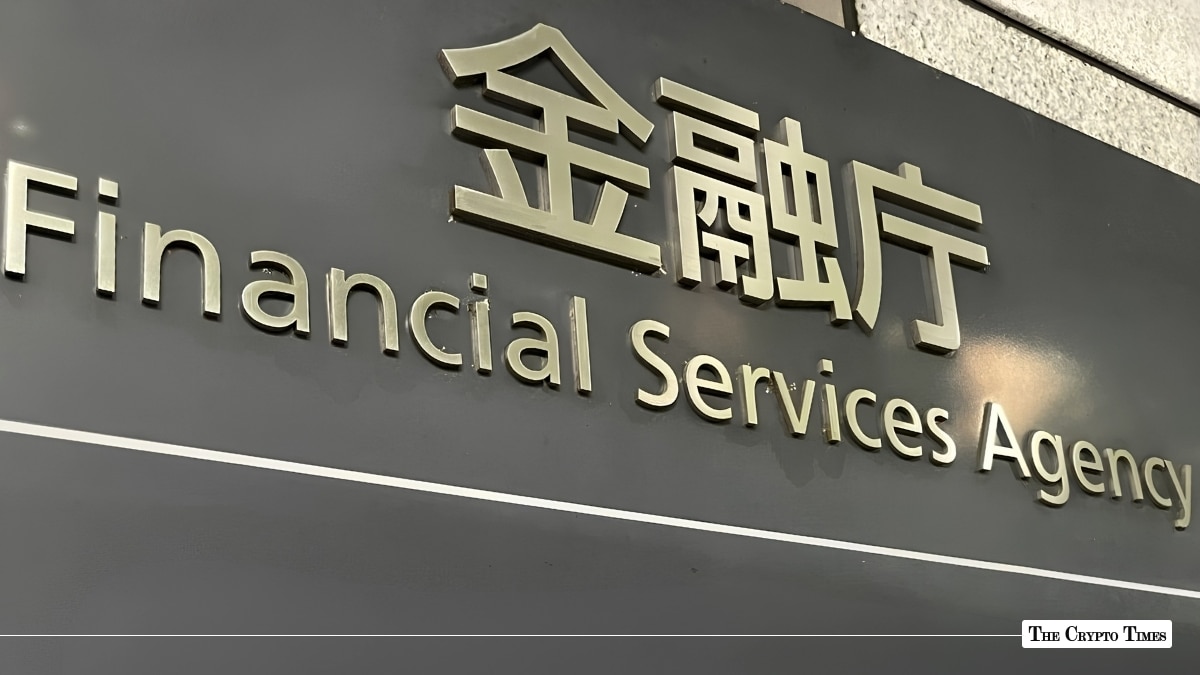
Japan’s Financial Services Agency (FSA), together with the National Police Agency (NPA), has urged the country’s cryptocurrency exchanges to adopt stricter anti-fraud measures following a sharp rise in scams involving digital assets.
In a request issued on August 6 to the Japan Virtual and Crypto Assets Exchange Association (JVCEA), regulators outlined a broad set of measures aimed at reducing fraud losses and preventing criminals from exploiting crypto trading platforms.
The regulatory push comes as law enforcement reports a steep rise in online investment and romance scams orchestrated over social media platforms, where victims are regularly directed to purchase and transfer crypto assets to external fraudulent wallets.
Enhanced withdrawal safeguards
To counter these tactics, the FSA urged exchanges to strengthen identity verification when customers open accounts by improving ID verification and carrying out extra checks on users who show signs of higher fraud risk.
Exchanges are required to explicitly warn customers that opening an account or buying and withdrawing crypto at someone else’s instruction could be a sign of fraud. The regulator has asked exchanges to monitor transactions more closely, detect unusual login activity, and identify accounts connected to suspicious devices.
When suspicious activity is detected, exchanges must quickly verify the customer, temporarily restrict transactions when needed, and freeze accounts if fraud is confirmed. They are also encouraged to respond quickly during nights and holidays, when scams often occur.
Fraud losses continue to rise
The FSA’s latest request comes as fraud losses in Japan continue to increase. According to the National Police Agency, authorities recorded 18,067 fraud cases in the first five months of 2026, with total losses reaching 151.47 billion yen—up by 2,826 cases and 54.73 billion yen compared with the same period last year.
The biggest losses came from media investment scams, which were 70.04 billion yen. Then there were police scams that caused 40.32 billion yen in damages. Romance scams on social media were another 20.2 billion yen. This indicates that online platforms are playing a key role in financial fraud.
Stronger authentication and cross communication
To stop people from taking over accounts, the FSA recommended stronger authentication when impersonation is suspected, including phishing-resistant multi-factor authentication for important account actions. The guidance also asks exchanges to check whether the person sending money has the same name as the registered crypto account holder.
Exchanges have also been encouraged to talk to each other about fraud and suspicious accounts, and work closely with law enforcement agencies. The FSA said some measures may require system upgrades, so exchanges can roll them out gradually if they cannot implement them immediately. However, regulators said stronger fraud controls are necessary as crypto-related financial crimes become more sophisticated.
Also Read: Bitget Ends Crypto Services in Japan, Sets December 31 Cutoff