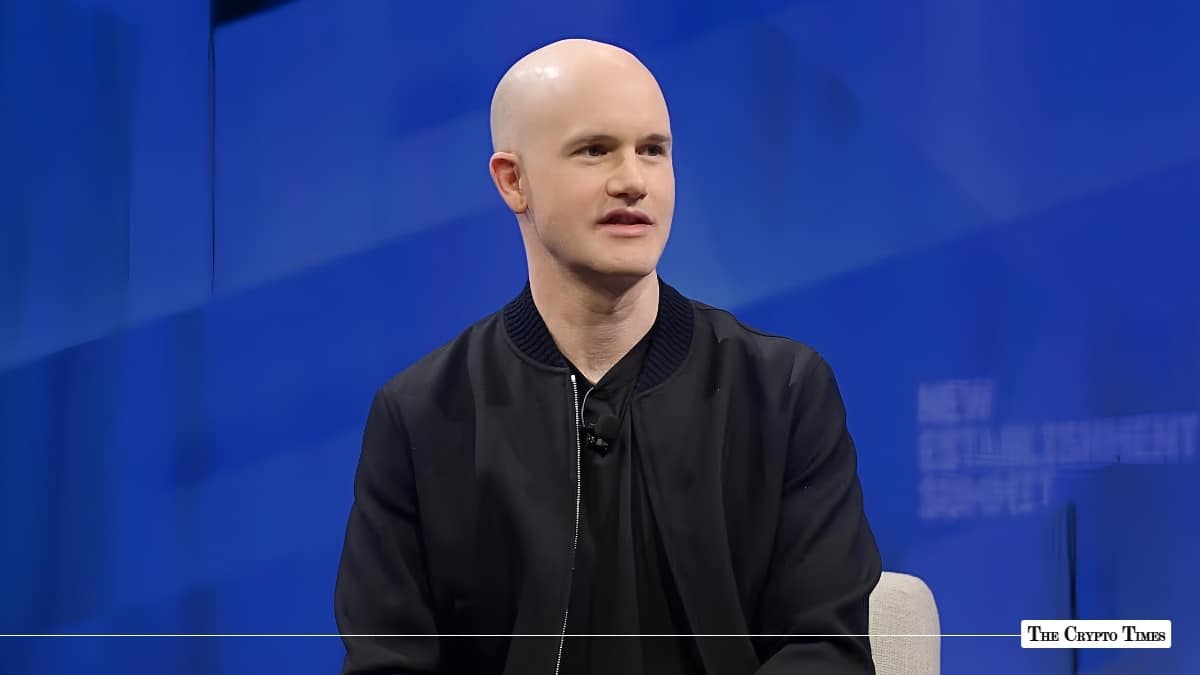
A memecoin called $BRIAN on Coinbase’s Base blockchain briefly captured that lightning in a bottle—only to watch it shatter within days. What started as a community-driven token tied to CEO Brian Armstrong turned into a messy tale of hype, expectation, and sharp disappointment.
$BRIAN launched quietly enough on Base, the Layer-2 network Coinbase has pushed as an accessible on-chain hub. The concept was straightforward: a meme coin inspired by Armstrong himself, complete with playful nods to his public image as the “Bald Bull.”
Developers minted one billion tokens and made a bold early move—sending roughly 80% of the supply straight to Armstrong’s wallet address.
That transfer lit the fuse. In crypto circles, such gestures often spark speculation about insider backing or at least tacit approval. Traders took it as a green light. Social feeds filled with chatter about Base finally getting its breakout meme moment, especially as the chain battled perceptions of losing ground to faster-moving rivals like Solana.
Hype Builds as the CEO Changes His Profile Picture
The real spark came mid-July when Armstrong updated his X profile picture to match the $BRIAN mascot—a stylized, pixelated character that screamed meme energy. For an audience primed for narrative plays, this wasn’t subtle. It looked like an endorsement from the top.
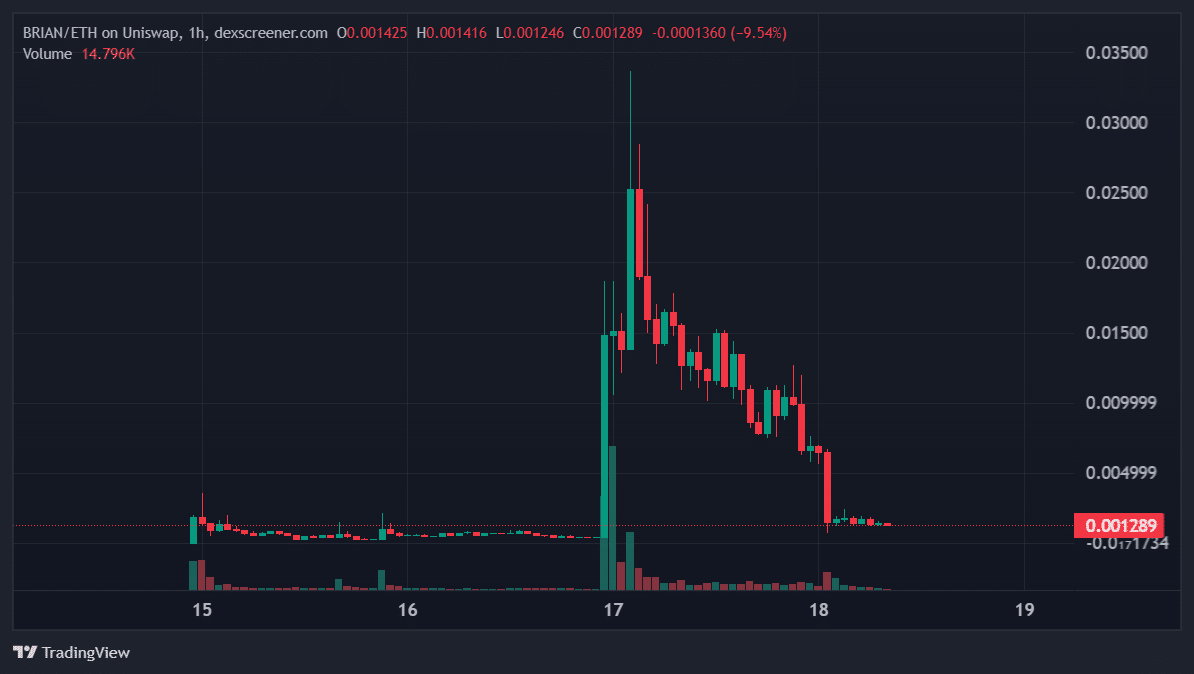
Influencers and Base loyalists jumped in. One trader publicly swapped his own profile pic to the coin and rallied thousands to bridge funds onto the network. Following the move, token’s volume exploded and market cap climbed from obscurity to reported peaks between $17 million and $37 million in a matter of hours. Social timelines buzzed with victory posts, price charts, and claims that Base was back in the meme game.
Retail participants flooded in, chasing the story of a Coinbase-adjacent winner. For a chain that had struggled with sustained memecoin success, this felt different. It had the CEO’s visible involvement—or at least the appearance of it.
The Reversal and Rapid Collapse
Then, just as quickly, the signal vanished. Armstrong switched his profile picture back to its previous image. Without that visible tie, momentum evaporated. Selling pressure mounted, liquidity thinned, and $BRIAN plunged more than 90% from its highs. What had been a crowded trade turned into a painful exit for many who bought near the top.
Holders took to X with frustration. Some accused the Base ecosystem of dangling hype only to walk away once the initial surge faded. Others pointed fingers at the broader pattern on the chain: quick pumps fueled by narratives, followed by abandonment when attention shifts. One prominent voice in the trenches summed it up bluntly: he’d rather face extreme consequences than transact on Base again after witnessing the sequence.
Current data shows the token trading at a fraction of its peak, with market cap hovering in the low hundreds of thousands and daily volume dried up. A community still lingers, but the damage to confidence is clear.
Broader Frustrations in Base’s Ecosystem
This episode didn’t happen in isolation. Base has faced growing pains around its memecoin scene. Earlier experiments with creator coins and attention markets drew criticism for leaving participants burned. Armstrong himself has acknowledged some past initiatives “didn’t work” and noted the team’s pivot toward AI agents, payments, and more structural development.
Yet memes remain a key driver of on-chain activity and user acquisition. When a coin tied so visibly to the chain’s leader unravels this fast, it raises questions about responsibility and messaging. Did the profile picture change represent genuine interest, a casual experiment, or something in between? The lack of follow-through left room for interpretation—and resentment.
Competitors have taken notice. Voices in Solana and emerging chains like Robinhood’s project used the moment to highlight their own strengths in meme culture and sustained community building. For Base, the episode risks reinforcing a narrative of boom-and-bust cycles rather than reliable growth.
What It Means for Traders and the Industry
Retail traders bore the brunt, as usual. Many bridged capital specifically for $BRIAN, drawn by the combination of ecosystem pride and perceived high-level backing. The swift reversal served as a reminder that social signals—especially from executives—can be fleeting and open to misreading.
From a wider angle, the saga underscores ongoing tensions in crypto between decentralized community energy and centralized platform influence. Coinbase and Base have positioned themselves as gateways for mainstream adoption, emphasizing security and usability. But when memecoins enter the picture, those lines blur, and expectations can run ahead of reality.
Project teams and influencers would do well to note the thin ice here. Hype without substance tends to backfire, eroding trust in the very ecosystems trying to grow. For Armstrong and Coinbase, the incident might prompt more cautious public engagement with token experiments going forward.
Lessons from the $BRIAN Rollercoaster
As the dust settles, $BRIAN joins a long list of coins that burned bright before fading. It wasn’t a classic rug pull with malicious code—more a narrative that overheated and collapsed under its own weight. The community aspect persists in some corners, with a few diehards attempting revivals, but the broader enthusiasm has cooled.
For anyone watching the space, the takeaway is familiar yet worth repeating: in memecoins, stories move faster than fundamentals, and visible signals from big names carry outsized power—and risk. Base continues building its core infrastructure, but repairing the sting from episodes like this will take more than code upgrades.
Whether this marks the end of Base’s meme ambitions or just another volatile chapter remains to be seen. For now, traders are reminded once again that in crypto, even a CEO’s profile picture can be a double-edged sword.
Also read: CASHCAT Trader Loses 72% From $3.8M Peak as Token Crashes