The global footprint of regulated stablecoins has expanded into Asia’s most sophisticated digital asset market.
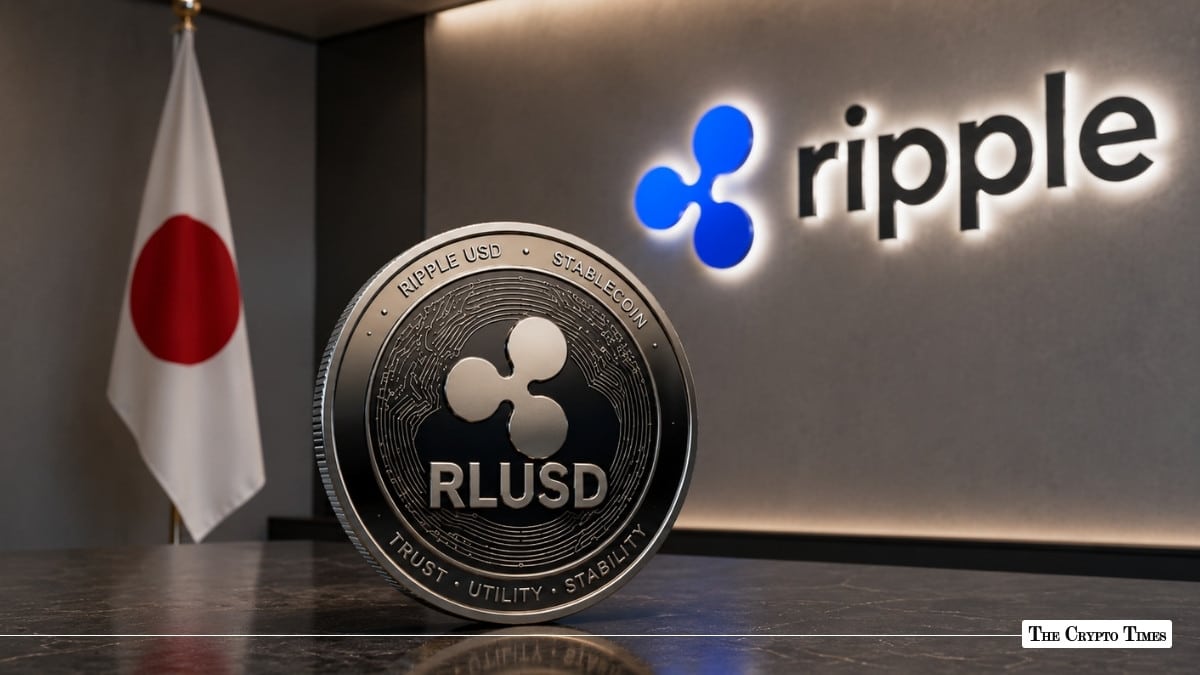
On June 24, 2026, Ripple’s U.S. dollar-backed stablecoin, RLUSD, officially went live in Japan following formal approval from the Japan Financial Services Agency (JFSA). Distributed via SBI VC Trade, the digital asset arm of the financial conglomerate SBI Holdings, the launch marks the culmination of a multi-year effort to integrate institutional dollar liquidity into the Japanese banking ecosystem.
Navigating the fourth electronic payment method
The regulatory breakthrough slots RLUSD into Japan’s newly updated Payment Services Act under the Type 4 Electronic Payment Method classification. This specific legal designation allows licensed domestic brokerages to custody, distribute, and facilitate trading pairs for foreign-issued stablecoins provided they adhere to strict oversight mandates.
While the designation grants Ripple a direct stamp of legitimacy, it comes with strict parameters. Unlike the trust-backed, uncapped digital yen stablecoin (JPYSC) launched by SBI and Startale earlier in the week, retail transactions for RLUSD inside Japan are bound by a 1 million yen (~$6,200 USD) limit per transfer. This safeguard is designed to mitigate sudden cross-border capital flight while the banking sector tests systemic liquidity variables.
Deepening a decade-long alliance
The commercial rollout significantly deepens the strategic alliance between Ripple and SBI Group, a joint ecosystem partnership that dates back to 2016. RLUSD will be available to both retail traders and corporate entities using SBI VC Trade’s core VCTRADE platform.
Notably, despite being the flagship stablecoin of Ripple Labs, the initial JFSA-approved liquidity pools have been deployed entirely on the Ethereum blockchain rather than Ripple’s native XRP Ledger (XRPL). This infrastructural design choice reflects where the vast majority of institutional dollar stablecoin volume and DeFi composability sit globally in mid-2026.
“Japan has long been a leader in digital asset adoption, underpinned by both regulatory clarity and financial innovation,” stated Jack McDonald, Senior Vice President of Stablecoins at Ripple. “Through our collaboration with SBI Group, RLUSD will serve as a bridge for payments, tokenization and collateral management,connecting Japanese businesses and individuals more efficiently to global liquidity.”
The global race for regulated liquidity
The timing of the launch is critical. The addition of Japan pushes RLUSD’s global market capitalization past $1.7 billion, hot on the heels of the token’s localized launch across key Mediterranean corridors earlier this month.
While RLUSD remains significantly smaller than legacy titans like Tether (USDT) and Circle (USDC), its strict adherence to onshore compliance is quickly converting into a massive competitive moat. Backed 1:1 by highly liquid short-term U.S. Treasuries and cash reserves under a New York Department of Financial Services (NYDFS) trust framework, RLUSD is deliberately positioning itself as the default choice for conservative, risk-averse institutional ecosystems throughout the Asia-Pacific region.
Additionally, beyond stablecoins, Ripple and SBI have continued to develop blockchain infrastructure in the country. Earlier this year, SBI Ripple Asia completed a token issuance platform on the XRP Ledger, adding to a growing list of digital asset projects in Japan.
Also Read: Why Indian Traders Pay Over 10% Premium When Crypto Crashes?