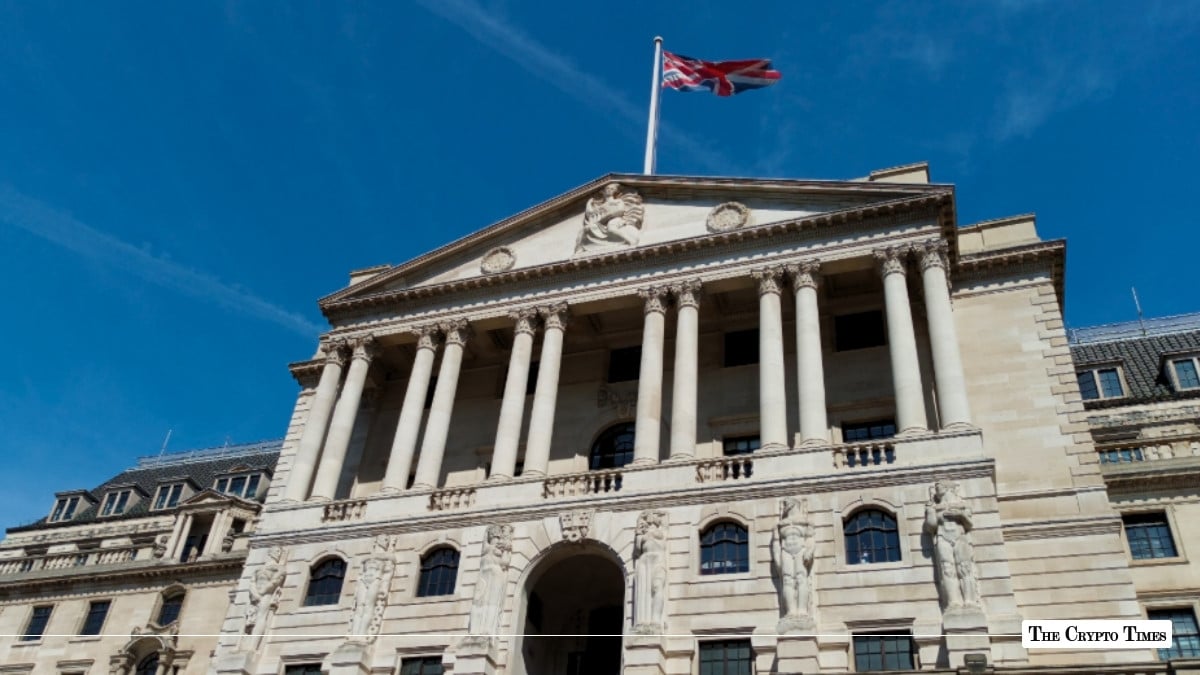
The Bank of England signaled stronger backing for digital payments this week as officials outlined plans to support stablecoins and tokenized bank deposits within the UK financial system. Speaking during City Week 2026 in London, Deputy Governor Sarah Breeden said different forms of digital money, including regulated stablecoins and a possible digital pound, could operate alongside existing payment networks.
Breeden said tokenized finance could help make payments faster, cheaper, and more efficient for both businesses and consumers. She also said shared digital ledgers and smart contracts could reduce delays by automating parts of the payment process. Meanwhile, the Bank of England confirmed it will continue developing stablecoin rules while expanding infrastructure tied to tokenized finance.
UK pushes ahead with tokenized finance
The Bank of England said the UK financial system must adapt quickly as digital finance continues to expand. Sarah warned that financial activity could move outside regulatory oversight if authorities fail to modernize existing payment infrastructure. The Bank is now working with the Financial Conduct Authority (FCA) and industry groups to develop the next generation of UK payment systems.
The central bank also wants more competition in digital payments. In the future, consumers could use stablecoins and tokenized bank deposits alongside traditional bank money for everyday transactions. Breeden said all forms of digital money must remain easily exchangeable to help preserve trust and financial stability across the system.
The Bank plans to release draft rules for systemic stablecoins next month before finalizing the framework later this year. Officials have already started reviewing earlier proposals after criticism from crypto and digital asset firms. Under the previous plan, individuals would have faced a £20,000 limit on holdings of a single sterling stablecoin during the initial rollout phase.
Stablecoin rules face industry pressure
Crypto firms warned that strict reserve requirements could slow the growth of stablecoins in the UK market. Earlier proposals from the Bank of England would require issuers to keep at least 40% of reserves in non-interest-bearing central bank deposits. Marcos Viriato previously said financial institutions were more focused on compliance, interoperability, and faster settlement systems than rigid reserve rules.
At the same time, the Bank is expanding tokenized finance infrastructure across wholesale markets. Sixteen firms, including HSBC and London Stock Exchange Group, are preparing tokenized trading and settlement services through the UK’s Digital Securities Sandbox.
The Bank also plans to gradually extend settlement hours toward near-24/7 operations over the next several years. Officials aim to connect directly with tokenized asset networks by 2027 as part of broader infrastructure upgrades.
Also read: Tether and Gnosis Co-Lead $4.4M Seed Round for Sorted Wallet