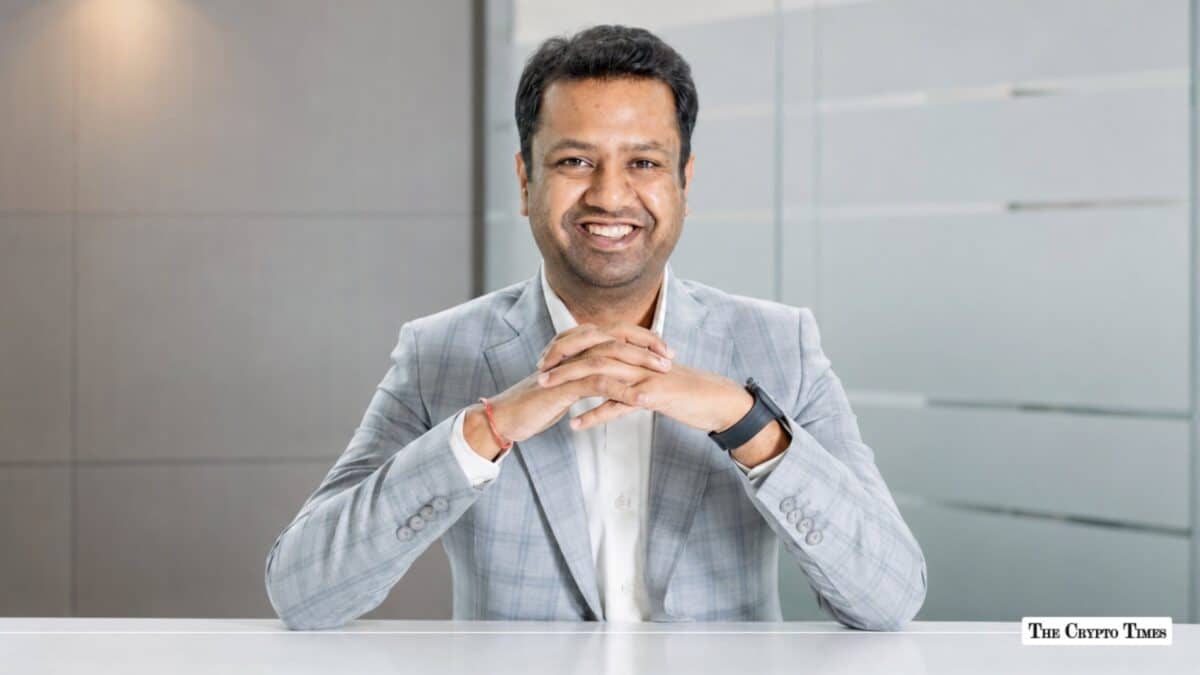
Zerodha co-founder Nikhil Kamath and CoinSwitch co-founder Ashish Singhal have drawn attention to the potential of gold-backed crypto stablecoins in India through a detailed discussion on X.
Nikhil Kamath suggested exploring gold-backed stablecoins as a way to monetise the large amount of unutilised gold held by Indian households and generate yield. He described a strong focus on dollar-backed stablecoins as a potentially bad idea long-term for the country. Kamath credited the Modi government and regulators for resisting pressure on dollar-backed options while praising India’s UPI system.
Ashish Singhal appreciated Kamath for raising the issue and shared a detailed assessment of the current landscape and India-specific hurdles.
Global gold-backed crypto stablecoins already exist
Singhal confirmed that gold-backed stablecoins are already active in the market. PAX Gold (PAXG) and Tether Gold (XAUT) together represent a multi-billion dollar segment. Platforms such as Kinesis Gold also offer yield-like incentives on tokenized gold structures.
India holds around 25,000 tonnes of gold in households and temples. This gold mostly sits idle in the form of jewellery, heirlooms, temple holdings, and fragmented household assets. The reserve is estimated to be worth approximately $2.4 trillion, though some valuations are higher based on current gold prices.
Major structural challenges for India
Singhal explained that unlocking this gold goes beyond crypto or technology. It is primarily a structural issue. Global projects like PAXG rely on LBMA-standard, investment-grade bullion stored in regulated vaults. In India, however, a large portion of gold exists as 22K jewellery, heirlooms, temple gold, and highly fragmented holdings. This creates significant challenges in custody and standardization.
He highlighted a second key constraint. Gold is traditionally a non-yielding asset. Any yield on a gold-backed stablecoin would require financial intermediation through lending, structured products, or platform incentives. This introduces new layers of counterparty risk.
Singhal noted that the overall thesis is directionally right, but the implementation complexity is significantly higher at India’s population scale.
In response to a suggestion about pairing the stablecoin with an INR trading pair, Singhal agreed that an INR pair would make it more locally relevant. However, he emphasised that custody, standardisation, and trust layers remain the bigger challenges. Most real gold in India is not uniform investment-grade bullion, making clean pooling and tokenisation difficult without proper quality standards.
Implications for India’s crypto and RWA ecosystem
The discussion arrives as tokenized real world assets continue to attract global attention. A successful gold-backed crypto stablecoin model could help India reduce its annual gold imports, ease current account pressures, bring idle household wealth into the formal financial system, and support de-dollarization goals. It could also create fresh opportunities for yield generation and financial inclusion through decentralized finance.
Success at this scale would need clear regulatory support, strong custody frameworks, advanced verification technology, and solutions that respect India’s deep cultural connection with physical gold.
The exchange between Nikhil Kamath and Ashish Singhal offers balanced and practical insights for regulators, crypto platforms, investors, and policymakers evaluating gold tokenization in the Indian market.
Also Read: India’s Parliament Panel to Meet ZebPay, Binance & WazirX on May 20 Over VDAs