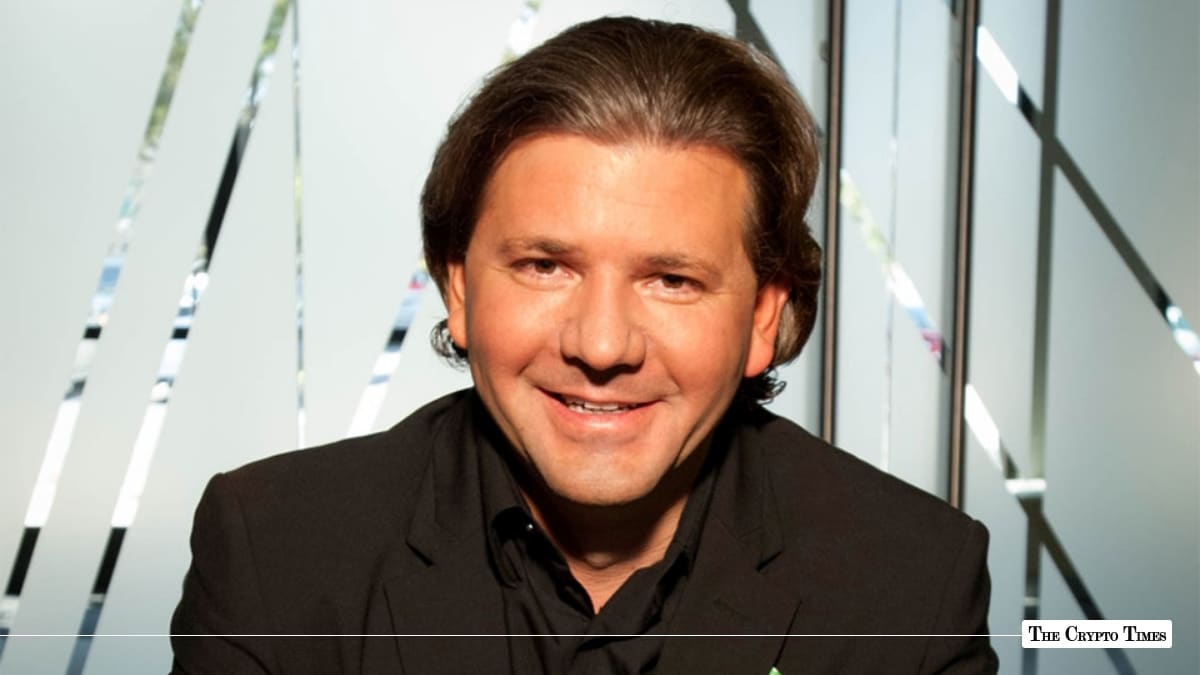
On April 17, 2026, the U.S. Securities and Exchange Commission (SEC) announced that it had charged Donald G. Basile, along with GIBF GP, Inc. and Monsoon Blockchain Corporation, for allegedly defrauding hundreds of investors in a $16 million securities offering.
The offering involved “Simple Agreements for Future Tokens” (SAFTs), which promised investors future access to a newly generated crypto asset branded as Bitcoin Latinum (BTCL or LTNM).
According to the complaint filed in a New York federal court, Basile marketed the SAFTs as securities while making a series of flagrantly false and misleading claims. Among the most notable allegations, the SEC states that Basile promoted LTNM as “the world’s first insured digital asset” with coverage of up to $1 billion from an international insurance broker and risk advisor. In reality, regulators say no such insurance policy ever existed.
Misuse of funds and phantom trusts
The complaint further alleges that Basile misrepresented the token as an asset-backed cryptocurrency supported by an “existing trust.” He reportedly claimed that a basket of digital assets, such as Bitcoin and Ethereum, was being managed to secure the LTNM asset pool. The SEC confirmed that no trust or underlying asset pool was ever created.
Basile also reportedly told investors that at least 80% of their funds would be used to support the token’s underlying value. Instead, the SEC alleges that millions were diverted directly for Basile’s personal use. The misappropriated funds were reportedly used for real estate purchases, credit card payments, and even the purchase of a $160,000 horse.
The regulator has charged Basile under multiple antifraud provisions, including Section 17(a) of the Securities Act of 1933 and Section 10(b) of the Securities Exchange Act of 1934 and Rule 10b‑5. It has charged GIBF and Monsoon with violating the antifraud provisions of Section 17(a)(2) of the Securities Act and Section 10(b) of the Exchange Act and Rule 10b‑5(b).
The agency is pursuing an aggressive suite of penalties, seeking permanent injunctions, financial penalties, and the disgorgement of alleged ill-gotten gains with prejudgment interest. Furthermore, the SEC is seeking a conduct-based injunction to ban Basile from participating in future securities offerings, as well as a permanent officer-and-director bar.
A broader crackdown on crypto fraud
The case underscores the SEC’s continued focus on cracking down on fraudulent crypto offerings, particularly those marketed with complex structures like SAFTs that can blur the true nature of the investment.
Last year, the SEC charged seven entities for running a fake crypto trading and investment scheme that misappropriated over $14 million from U.S. retail investors. In that case, fraudsters used social media ads and WhatsApp groups, posing as financial experts while promoting fake AI-driven crypto investments and token offerings.
Authorities say these actions reflect an intensified crackdown on crypto-related fraud. Following major enforcement actions and convictions tied to large Ponzi-style schemes over the last two years, regulators are increasingly targeting executives who use the opaque nature of blockchain technology and fabricated institutional backing to exploit retail investors.
Also Read: Judge Tosses $JENNER Lawsuit, Says Token Fails Security Test