Key Highlights
- Senator Thom Tillis’ draft seeks to settle bank-crypto clashes over whether stablecoins can legally earn interest.
- Banks warn stablecoin yields may drain deposits, while crypto firms push for fair access to returns.
- Proposal limits passive yield but allows activity-based rewards in a bid to balance both sides.
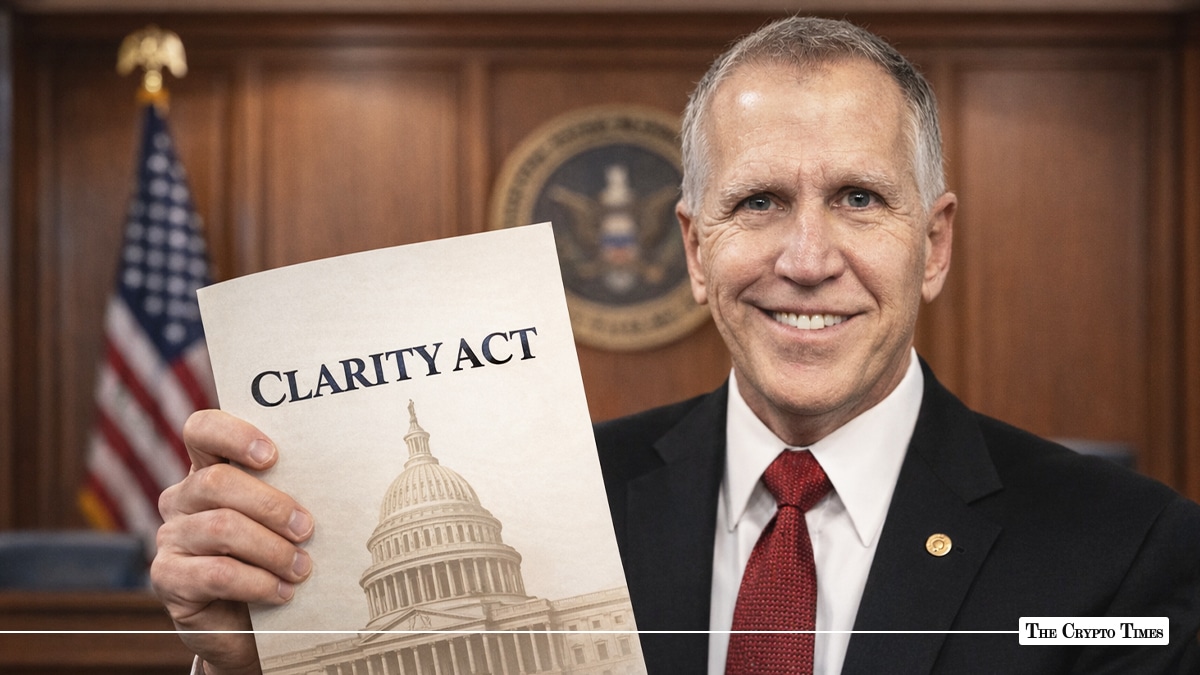
U.S. lawmakers have been working continuously over the last few weeks to resolve a growing dispute between banks and crypto firms over stablecoins interest. Amid this, Republican Senator Thom Tillis said a draft proposal is expected this week to clarify the rules around stablecoin yields.
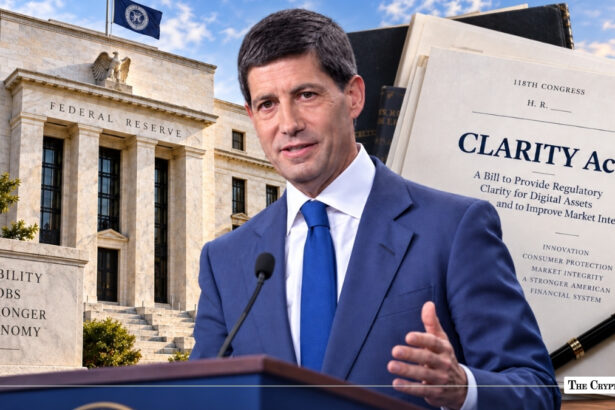
Tillis shared he is working with Democrat Senator Angela Alsobrooks on the proposal, which forms part of the broader CLARITY Act. The goal is to reduce the uncertainty that has long separated traditional banks and the crypto industry. If passed, the rules could reshape how digital dollars are used in regulated markets.
Speaking to Politico, Tillis said talks have been progressing smoothly. “I think the language has come together well,” he said, adding that the draft could be released soon if negotiations are held.
Still, both sides remain at odds. Banks warn that interest-bearing stablecoins could pull deposits away from the traditional system. Crypto firms, meanwhile, argue they should have fair access to yield opportunities. Lawmakers are now trying to balance financial stability with innovation in digital assets.
Banking fears and crypto demands shape debate
Banks are pointing out that interest-bearing stablecoins have the potential to take funds from traditional savings accounts. This move could lead to a decrease in lending activity and instability in the bank deposits market.
Crypto companies disagree with such arguments. According to them, the citizens should decide on managing their finances, emphasizing that there are numerous decentralized platforms which provide equally attractive investment opportunities.
Regulators are aiming to strike a balance between banks and crypto market decentralization. In terms of regulation, there is already a proposal to limit the generation of interest. In other words, generating interest in stablecoins that cannot be earned without users’ actions similar to savings accounts is prohibited.
However, the proposal allows earning rewards through user actions such as making payments or taking part in governance. Thus, there is a possibility of developing blockchain applications that won’t become just another savings account but will be a unique way of earning while being used by users.
Political pressure builds ahead of key vote
Lawmakers are facing growing pressure as deadlines approach ahead of key committee votes. The Senate Banking Committee plans to review the bill soon, following the recent recess. After that, it must pass a full Senate vote and align with the House version before becoming law.
The White House has pushed for faster progress, warning that delays could hurt the U.S. position in digital finance. Senator Tillis suggested a joint meeting, described as a “crypto-palooza,” to bring banks and crypto firms to the table. The goal is to ease tensions and find common ground.
Stablecoins have grown into a market worth hundreds of billions of dollars, raising concerns about financial stability. Tillis, known for working across party lines, continues to push for a compromise. However, any final deal will depend on whether both sides accept the proposed rules.
Also Read: “I have no doubt that crypto will be the future of finance,” Says Elon Musk’s Father