Key Highlights
- Michael Saylor described Bitcoin as “digital capital” at Digital Asset Summit 2026.
- He positioned Bitcoin as competing with gold, real estate, and fiat-based assets.
- He pointed to institutional and regulatory acceptance as a key driver of its role.
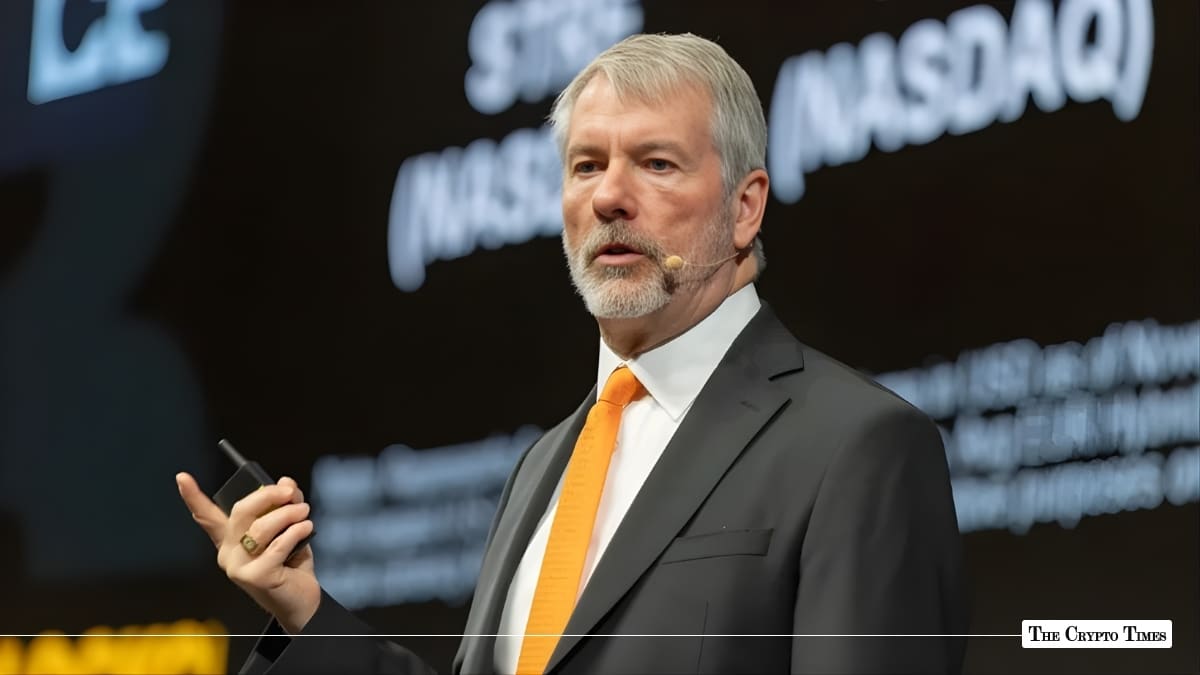
Strategy co-founder Michael Saylor outlined his view of Bitcoin as “digital capital” during remarks at the Digital Asset Summit 2026 on Thursday, describing it as a system for storing and transferring value without physical constraints.
He positioned Bitcoin not simply as a payment tool, but as an asset class competing with traditional stores of wealth. Saylor added, “It is a way to store economic value digitally to move it through time and through space without any physical instantiation.”
Competing with traditional asset classes
Saylor compared Bitcoin to multiple forms of capital, including gold, real estate, and sovereign debt. In his view, Bitcoin offers a digital alternative that can move across borders and time without reliance on physical infrastructure.
This framing places Bitcoin alongside long-established assets such as commodities and property, rather than within a narrow definition of digital currency.
Institutional belief driving narrative
A central part of Saylor’s argument focused on growing acceptance among policymakers and financial leaders. He pointed to increasing recognition of Bitcoin within government and regulatory circles as a factor shaping its role in global markets.
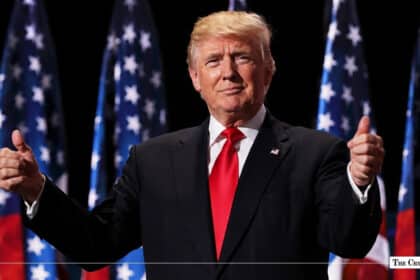
“Why is Bitcoin digital capital? Well, because the most powerful man in the world thinks it’s digital capital. We have a Bitcoin president, he believes in Bitcoin. We have a Bitcoin cabinet. The top four financial regulators in the world, the head of the treasury, the head of the Fed, the head of the SEC, the head of the CFTC, they all believe in Bitcoin,” he added.
Saylor further suggested that rather than relying solely on retail adoption, the “digital capital” thesis is being reinforced by institutional alignment.
Beyond payments: A store of value argument
Saylor’s remarks emphasized Bitcoin’s use as a store of economic value, highlighting its ability to function independently of traditional financial systems.
This perspective reflects a broader shift in how Bitcoin is discussed, less as a transactional currency and more as a long-term asset within diversified portfolios.
Also Read: Bitcoin Treasury Firm MARA Sells Nearly $1B in BTC to Slash Debt by 30%