Key Highlights
- Kansas introduced a bill to create a Bitcoin and digital assets reserve fund using unclaimed digital assets.
- Bitcoin in the reserve would remain in the fund, while 10% of other digital assets could be transferred to the state’s general fund.
- The fund could earn staking rewards, airdrops, and interest, but original assets remain reclaimable by owners.
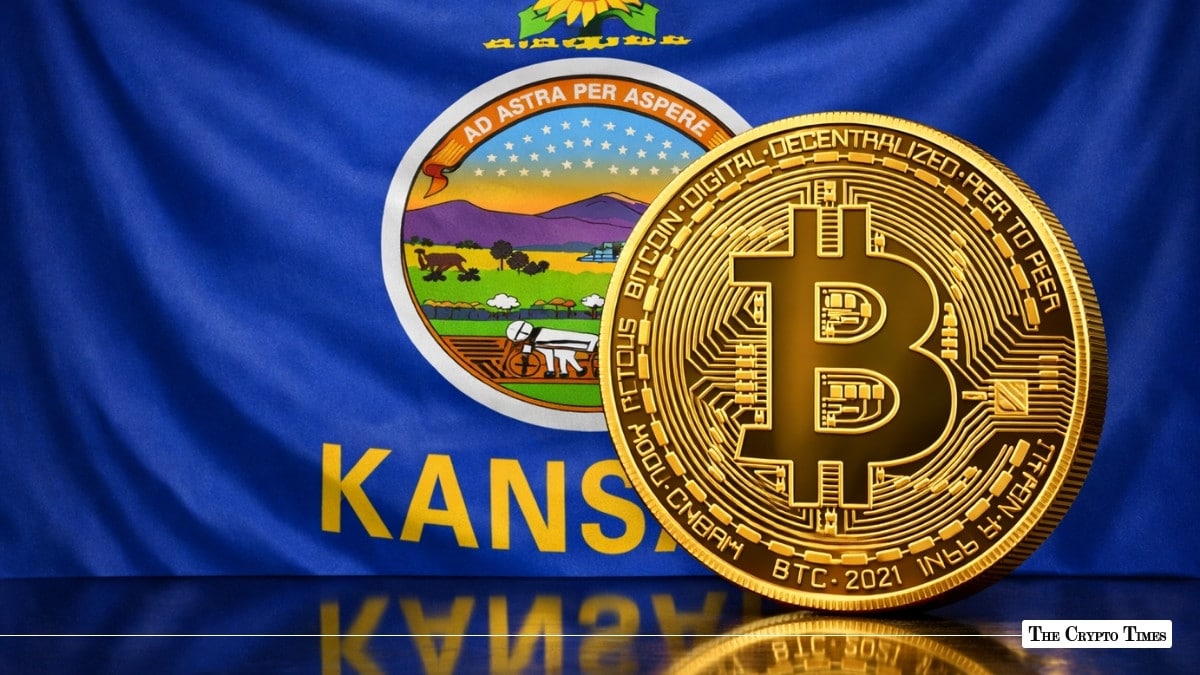
Kansas lawmakers have introduced Senate Bill 352, a proposal that would create a Bitcoin and digital assets reserve fund managed by the state treasury.
The bill was filed this week for the 2026 legislative session in Kansas, United States, and aims to place unclaimed digital assets into a state-controlled reserve to modernize how abandoned property is handled.
If passed, the Kansas State Treasurer would oversee the reserve, which would be funded entirely through digital assets classified as unclaimed property. Kansas law defines abandoned assets as property left inactive for a specific period, after which it must be turned over to the state for safekeeping until claimed by the rightful owner. Senate Bill 352 extends this framework to cover Bitcoin, cryptocurrencies, and other digital-only assets.
Under the proposal, digital assets like Bitcoin and other cryptocurrencies would be treated as abandoned after three years of no activity and failed communication with the owner. Once this happens, the assets would be transferred to the state treasurer or a qualified custodian. These assets could be held in their original form or used for staking, depending on the asset type.
Unclaimed assets will be used for staking
The proposed bill says these assets could be held in their original form or used for staking, depending on the asset type. Staking is a process where digital assets are locked on a blockchain network to help support and secure it. In return, the holder receives rewards. The bill also allows Kansas to collect staking rewards, airdrops, or interest that come from these abandoned digital assets.
If the original digital assets remain unclaimed three years after being transferred to the state, only the rewards earned from staking or airdrops would be moved into the Bitcoin and digital assets reserve fund. The original assets would still belong to the owner and could be reclaimed later under state law.
Special rules for Bitcoin and oversight
The bill aims to treat Bitcoin differently from other digital assets. While 10% of most non-Bitcoin digital asset deposits would be transferred to Kansas’ general fund, Bitcoin would be excluded from general fund use and kept entirely within the reserve. Instead, Bitcoin would stay fully inside the reserve fund. The proposal also makes it clear that Kansas would not buy Bitcoin directly from the market.
Kansas isn’t the first state to introduce a proposal to create a crypto reserve. Last year, New Hampshire filed a similar proposal, becoming the first state to set up a crypto reserve.
Texas followed shortly after with Senate Bill 21, introduced by State Senator Charles Schwertner. The bill passed with 105 votes in favor and 23 against.
At the federal level, U.S. Treasury Secretary Scott Bessent recently reaffirmed that seized Bitcoin would be added to the national digital asset reserve, saying, “The policy of this government is to add seized Bitcoin to our digital asset reserve after the damages are done.”
The bill has moved from the Federal and State Affairs Committee and is now under review by the Kansas Senate Committee on Financial Institutions and Insurance.
The proposal adds another initiative for how unclaimed properties can be put to use for long-term financial planning. By holding Bitcoin and other assets, the state could benefit from the staking rewards, including interest, without having to spend taxpayer money. Bitcoin adoption has also expanded widely since President Donald Trump came into office, with the U.S. government finding its way to include digital assets in its public finance.
Also Read: Bitcoin Futures Hit 14-Month High as Market Cap Tops $3 Trillion