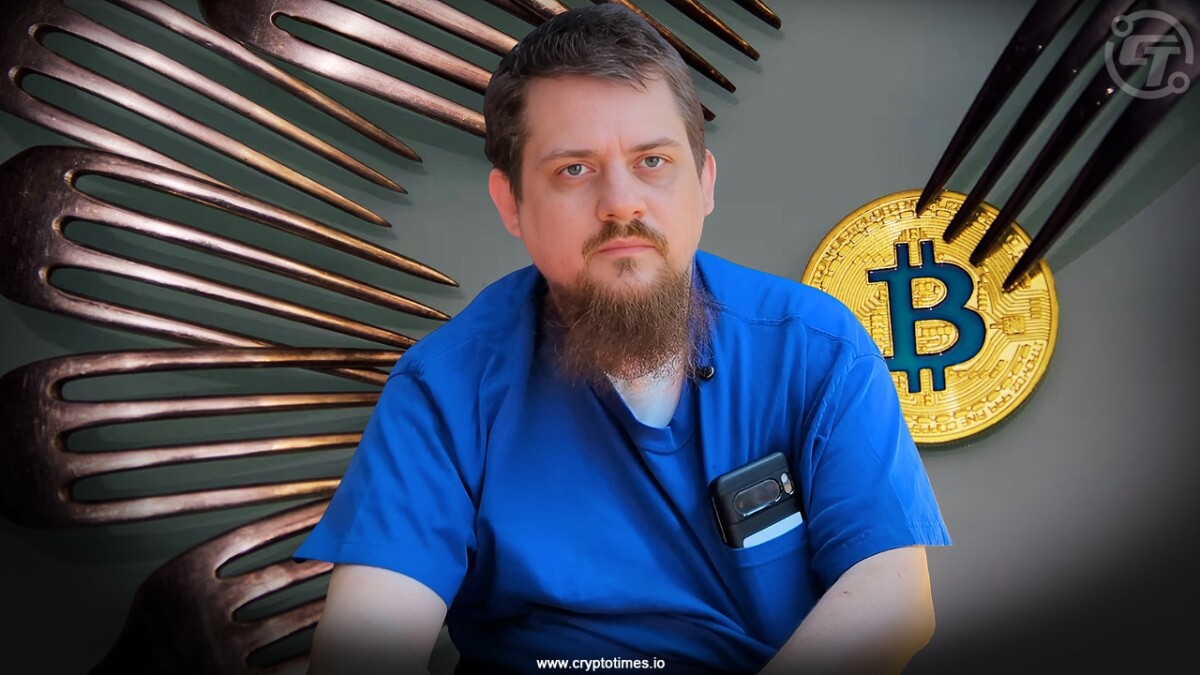
In a controversial development, private messages obtained by The Rage suggest that Luke Dashjr, who maintains Bitcoin Knots, is thinking about a hardfork. The plan would set up a trusted multisig committee with the ability to retroactively change the Bitcoin blockchain.
The aim is to remove illegal content, including Child Sexual Abuse Material (CSAM). The proposal has already ignited a heated debate over Bitcoin’s fundamental rule of staying censorship-resistant.
A hardfork is a major change to Bitcoin’s rules that older software can’t follow, so users must upgrade or risk the network splitting.
Background: Bitcoin Knots vs. Bitcoin Core
The disagreement goes back years, rooted in conflicts between supporters of Bitcoin Knots and developers of Bitcoin Core. Core had considered increasing the op_return size to prevent non-monetary transactions from using harmful methods, like embedding data in unspendable outputs.
Bitcoin Knots proponents argue that non-monetary data, initially described as “spam,” has no place on Bitcoin and that Core should not optimize the protocol for such purposes.
To counter “spam,” Bitcoin Knots – maintained by Dashjr, also a Bitcoin Core contributor, implements filters that prevent transactions containing non-monetary data from entering a node’s mempool. Over time, this discussion shifted focus from general spam to the more serious issue of CSAM, though technically all nodes must host the same data once blocks are confirmed, making prevention via mempool filters insufficient.
The Proposed Multisig Committee
Leaked messages show Dashjr proposing a multisig quorum system. Under this proposal, a selected group would review transactions containing CSAM and replace the data with zero-knowledge proofs, letting node operators remove the content while still keeping the transactions valid.
Dashjr notes, “Right now the only options would be Bitcoin dies or we have to trust someone,” acknowledging the plan would require a consensus change and a Bitcoin hardfork.
Additionally, third parties are reportedly drafting public letters in favor of sanctioning illegal content across the Bitcoin network. Dashjr’s team, following legal advice, decided the letters should not appear to come from them.
Implications and Concerns
Experts say the proposal could threaten Bitcoin’s core principle of being permissionless. Giving a committee the ability to change blockchain data could open the door to wider censorship and possibly even regulatory controls, such as Know Your Customer (KYC) and Anti-Money Laundering (AML) requirements.
When asked for comment, Dashjr rejected the reports, saying, “You’re writing an article on completely unfounded lies?” and did not provide any further details.
Ongoing Debate
How to deal with illegal content on Bitcoin remains an open question. Policymakers, miners, and node operators are still debating how to balance network governance, legal compliance, and Bitcoin’s censorship-resistant design.
Also Read: Hyperliquid Community Discusses 45% Supply Burn Proposal