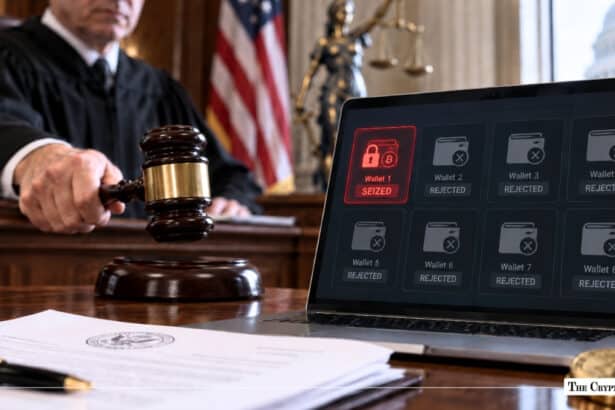
India’s Enforcement Directorate (ED) has attached assets worth ₹42.8 crore belonging to Chirag Tomar, an Indian national serving a five-year prison sentence in the US for a $20 million cryptocurrency scam, along with his family and associates in Delhi.
The Enforcement Directorate (ED) took the action under the Prevention of Money Laundering Act (PMLA). On August 2, 2025, the ED had seized 18 properties and bank deposits. It began an investigation after news reports revealed Chirag Tomar’s arrest in the U.S. in December 2023 for a cryptocurrency scam.
Fraudulent Website Tricked Users
According to the ED’s press release, Chirag created fake websites that look similar to Coinbase, a popular crypto exchange. He used tricks to ensure that these fake websites appeared first in search results. These fake sites then fooled people into entering their login details, which didn’t work.
When victims called the number on the site for help, they reached a scam call center run by Tomar. The scammers then stole the victims’ cryptocurrencies by transferring them to wallets they controlled.
Chirag Tomar Channels ₹600 Crore in Crypto for Luxury Purchases
The stolen crypto, which is estimated at ₹600 crore, was sold on online platforms, and the amount was converted into Indian rupees. As per reports, these funds were funneled into the bank accounts of Tomar and his family.
Further, he and his family used this money to buy properties, luxury cars like Lamborghinis and Porsches, and expensive watches. They also used those funds to vacation in places like Dubai and Thailand.
In May 2024, Tomar pleaded guilty to the charges. Further, a U.S. court in Charlotte, North Carolina, sentenced him to prison on October 17, 2024. On February 20, 2025, the ED conducted raids in Delhi and Mumbai to find more of Tomar’s assets and identify others involved.
At present, the investigation is ongoing, but the case highlights that India is serious about stopping crypto scams by working with other countries. It also points to tougher regulations for digital currencies to prevent such fraud.
Also Read: Crypto Hacks Surge in July with $142 Million Stolen: PeckShield