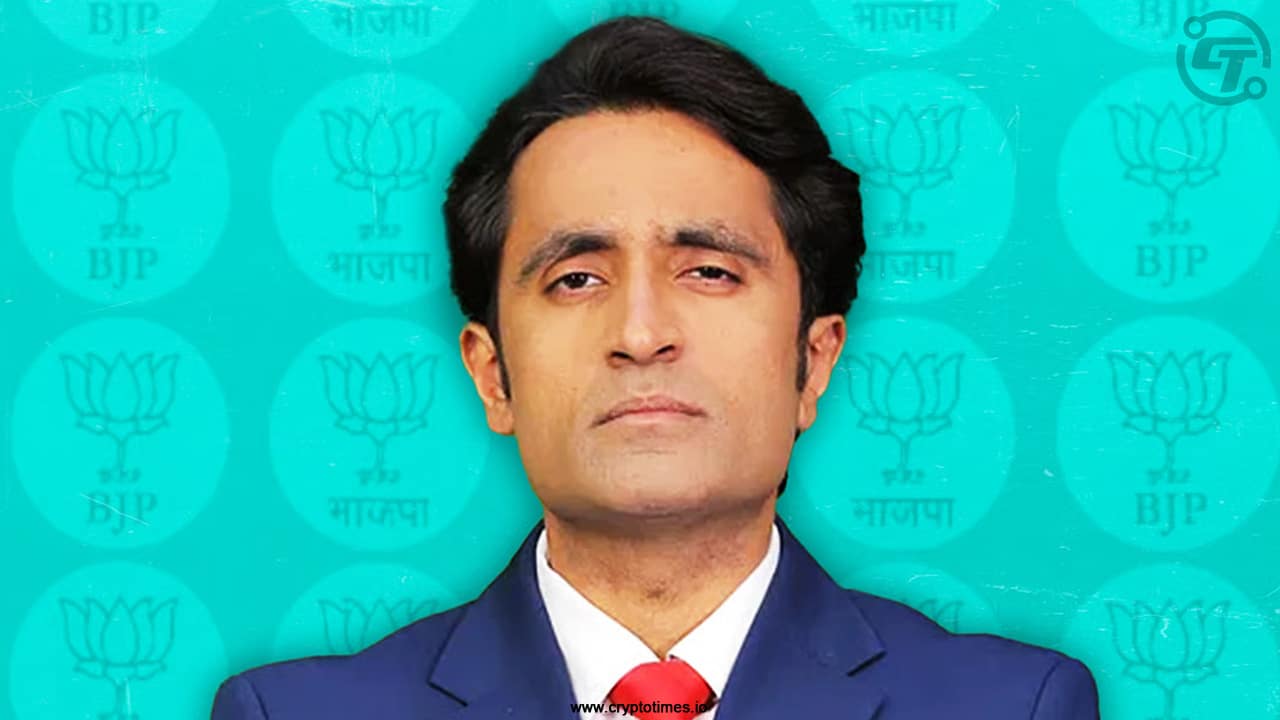
Indian ruling party BJP spokesperson Pradeep Bhandari has urged the government to seize the stablecoin opportunity, saying India has a real chance to lead the next wave of fintech innovation. In a recent post on X (formerly Twitter), he said, “As the US embraces stablecoins, India must step up and lead this fintech future.”
Bhandari’s statement comes just weeks after the US Senate passed the GENIUS Act, allowing American banks and major companies like Amazon and Walmart to issue stablecoins backed 1:1 by U.S. Treasury Bills. These digital dollars combine the security of government bonds with the speed of blockchain. It is also enabling global payments and boosting the US dollar’s strength in the digital age.
Bhandari pointed out that India also wants to lower its borrowing costs, which are now around 6%. He said India can do this by using tokenized government debt, digital versions of government bonds. These bonds would be regulated by proper rules.
This move could attract more investors and help lower interest rates. It would also build trust in digital money without affecting India’s control over its financial system.
Stablecoins go beyond finance. They are connected to everything from digital wallets and tax systems to cybersecurity and global payments. India already has a strong digital base with systems like UPI and Aadhaar. However, Indian developers working on blockchain often move abroad due to a lack of regulation.
India could become a global hub for blockchain innovation. This would create high-paying jobs and encourage startups to grow from Indian cities like Delhi, Bengaluru, and Mumbai. They wouldn’t need to move to places like Dubai or Singapore to succeed.
The Supreme Court has also underlined the necessity to make the cryptocurrency industry regulated, as without regulation, it is emerging into a gray area. By adding strict regulations, the government can make the space secure, authentic, and investor-friendly.
Bhandari called upon the Indian government to implement stable, clear rules that are in line with Indian values. This can unlock new employment opportunities, stabilize the rupee, modernize the economy, and improve financial inclusion. As stablecoins proceed in countries such as the US and Japan, India cannot lag behind.
Aishwary Gupta, Global Head of Payments at Polygon Labs, also stated that the U.S. is moving towards robust crypto regulations, setting more legitimacy for digital assets and pushing traditional finance to adopt blockchain.
He further emphasized that this is the time for India to look back and act. While India has been a leader in technology such as UPI, its hesitant approach to crypto can result in being left behind. Rather than being holdback, India must encourage innovation through concise and robust regulations, as now is the time to be a leader in Web3.
Also Read: Indian Ruling Party Spokesperson Urges Bitcoin Reserve for India