Key Highlights
- Bolivia is evaluating the integration of USDT into its national payment system.
- Officials aim to allow USDT to circulate alongside the Bolivian boliviano and U.S. dollar.
- No timeline has been announced, with the proposal still under technical review by the Ministry of Economy.
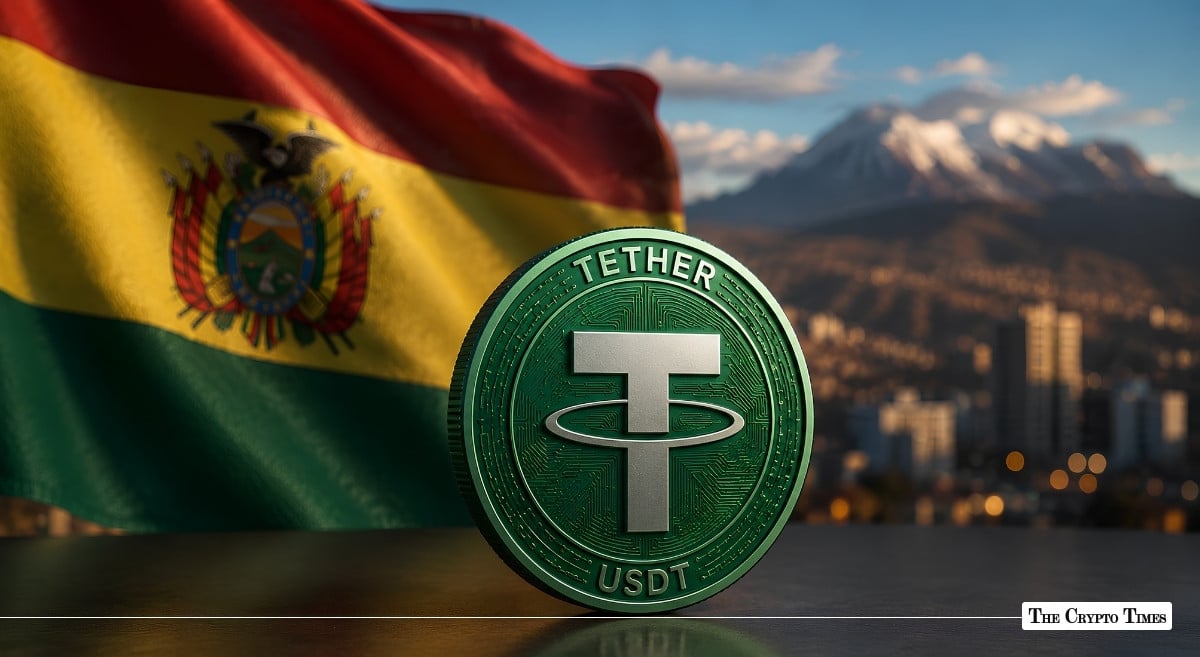
Bolivia’s government is assessing the possibility of incorporating Tether’s USDT stablecoin into the country’s national payment system, according to statements made by Economy and Public Finance Minister José Gabriel Espinoza.
According to a local report, Espinoza said authorities are conducting a technical evaluation to determine whether USDT could circulate formally alongside the U.S. dollar and the Bolivian boliviano. The move would mark another step in the country’s gradual acceptance of digital assets after lifting a ban on cryptocurrencies in 2024.
Why the government is considering stablecoins
Speaking on July 10, Espinoza said that while the ban on such instruments has been removed, comprehensive regulations are still lacking. “We are working on and technically evaluating the possibility of including USDT in the Bolivian payment system so that it circulates as just another currency,” he said.
The review comes amid ongoing challenges with foreign currency availability in Bolivia. USDT usage has grown since 2024, particularly as residents and businesses sought alternatives to traditional banking channels during periods of dollar scarcity. Reports have documented instances of the stablecoin being used for everyday transactions, including fuel purchases.
If approved, the proposal could allow individuals and businesses to use USDT more broadly for payments and transfers.
Regulation remains a key hurdle
Espinoza emphasized that any formal adoption would require a strong regulatory framework. Bolivia remains on the Financial Action Task Force (FATF) gray list, which increases scrutiny on measures aimed at preventing money laundering and illicit finance. Officials have stressed the need for tighter controls before expanding the role of digital assets in the official payment infrastructure.
The government’s current review builds on earlier developments. In June 2024, Bolivia lifted its outright ban on Bitcoin and other cryptocurrencies. Following the inauguration of President Rodrigo Paz Pereira in November 2025, the administration signaled interest in expanding the role of digital assets within the formal economy.
Crypto adoption continues to expand
Several financial institutions have already introduced crypto-related services. State-owned Banco Unión integrated USDT into its Yasta e-wallet in April 2026, while Banco FIE launched a Crypto Account enabling users to buy and sell the stablecoin through its mobile app.
Meanwhile, payments platform Oobit enabled the use of USDT and other cryptocurrencies from self-custodial wallets at over 150 million Visa-enabled stores. Additional agreements between banks for regulated USDT services have been reported since 2025.
At the same time, authorities face the challenge of balancing innovation with financial stability and international compliance obligations. The technical evaluation currently underway will likely inform whether and how USDT gains official status in Bolivia’s monetary framework.
The process remains in its early stages, with no confirmed timeline for a final decision. Further details are expected as the Ministry of Economy continues its assessment and engages with regulators and financial institutions.
Also Read: ATC Coin Fraud: ED Attaches ₹55.5 Cr in Mumbai Properties