Key Highlights
- Former Goliath Ventures CEO Christopher Delgado pleaded guilty to wire fraud, conspiracy to commit wire fraud, and money laundering.
- Prosecutors said the crypto investment scheme caused at least $250 million in investor losses and attracted about $400 million in funds.
- Delgado agreed to forfeit multiple properties, luxury assets, and bank and cryptocurrency accounts as part of his plea agreement.
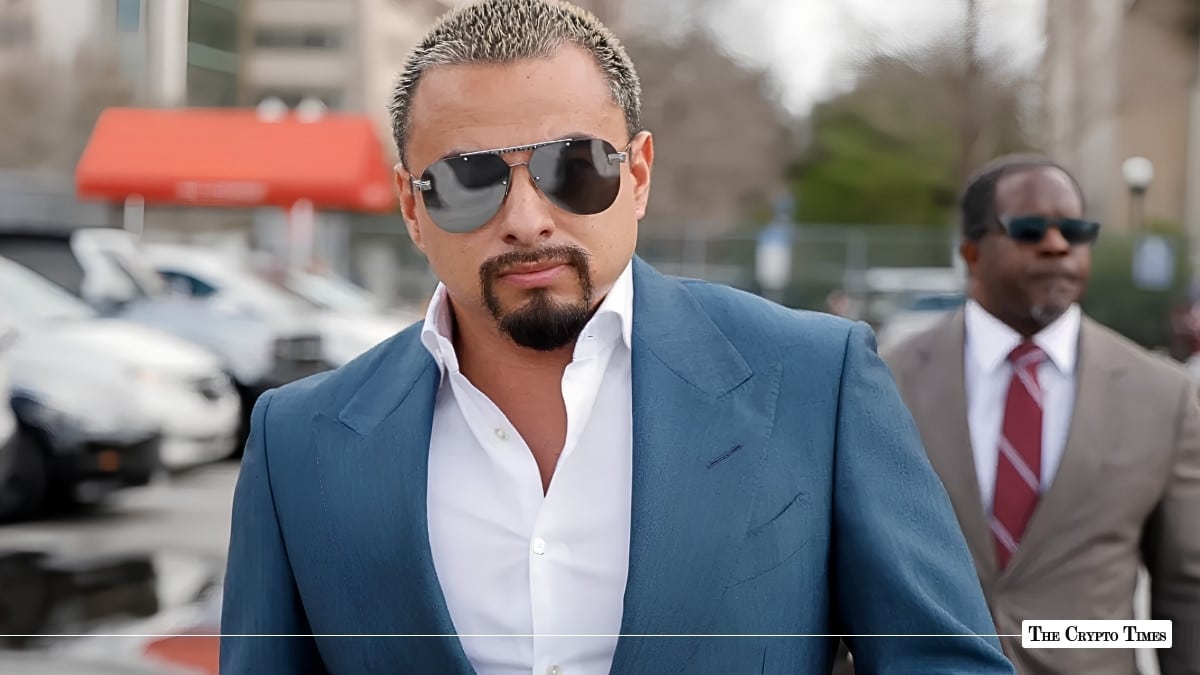
Christopher Alexander Delgado, the 34-year-old Chief Executive of Florida-based Goliath Ventures Inc., pleaded guilty for his role in a cryptocurrency investment fraud scheme that U.S. authorities say caused at least $250 million in investor losses. Appearing before the U.S. District Court for the Middle District of Florida, Delgado admitted to charges of wire fraud, conspiracy to commit wire fraud, and money laundering.
According to official court filings, Delgado operated Goliath Ventures, originally known to early market participants as Gen-Z Venture Firm, as a highly organized Ponzi scheme from at least January 2023 through at least January 2026.
According to the press release, he is scheduled to be sentenced on October 8, 2026, and faces up to 20 years in prison for each fraud count and an additional 10 years for the money laundering charge.
How Goliath Ventures misled investors
According to court filings and Delgado’s plea agreement, Goliath Ventures promised investors monthly returns from cryptocurrency liquidity pools while attracting clients through referrals, marketing campaigns, luxury events and charitable sponsorships.
Rather than deploying investor funds into cryptocurrency liquidity pools as promised, prosecutors said the money was largely used to pay earlier investors, satisfy withdrawal requests, finance extravagant corporate events, and support the lavish lifestyles of Delgado and other company insiders.
U.S. Attorney Gregory W. Kehoe said, “Delgado provided fraudulent information to solicit investor funds and then spent his ill-gotten gains on his extravagant lifestyle.” He also added that authorities remain committed to identifying and recovering assets connected to the fraud.
Inside the misuse of investor funds
Federal authorities estimate that investors transferred at least $400 million to Goliath Ventures, according to a parallel civil asset forfeiture case.
As part of his guilty plea, Delgado admitted causing at least $250 million in investor losses, making it one of the larger cryptocurrency-related fraud cases prosecuted in recent years.
Investigators allege that investor money financed an extensive portfolio of luxury assets, including:
- At least six residential properties, with all valued between $1.15 million and $8.5 million.
- Millions of dollars worth of luxury vehicles, including Lamborghinis and Rolls-Royces.
- High-end watches, including Rolex timepieces.
- Dozens of Louis Vuitton bags, wallets, and luggage.
- Custom Tiffany jewelry and other luxury items.
As part of his plea agreement, Delgado agreed to forfeit eight properties, 11 vehicles, 30 luxury watches, more than 50 designer bags and wallets, at least 29 pieces of high-end jewelry, along with several seized bank and cryptocurrency accounts tied to the fraud, to aid victim restitution.
A trail of warning signs and institutional fallout
The guilty plea comes after months of systemic failures, external warnings, and legal scrutiny surrounding Goliath Ventures. Long before federal agents intervened, New Zealand-based investigative journalist Danny de Hek began publishing a series of public whistleblowing exposures detailing uncanny structural and personnel overlaps between Goliath Ventures and My Liquidity Partner, a separate crypto scheme that collapsed in late 2022.
Though Goliath went as far as filing an aggressive defamation suit against de Hek in late 2025, the firm quickly dropped the suit after Delgado’s initial arrest in February 2026.
The shockwaves of the case eventually reach Wall Street. In March 2026, a proposed federal class-action lawsuit accused JPMorgan Chase of processing about $253 million in transactions linked to Goliath while failing to flag suspicious activity. At the time, JPMorgan had not publicly responded to the allegations.
Delgado also publicly apologized to investors during a May 2026 interview with Orlando-based broadcaster WFTV, saying he had “failed” those who trusted him with their money.
The final phase of the investigation remains open, managed jointly by the Internal Revenue Service Criminal Investigation (IRS-CI) and Homeland Security Investigations (HSI). Federal officials have encouraged anyone who believes they invested in Goliath Ventures and has not yet contacted investigators to complete the IRS victim assistance questionnaire as authorities continue efforts to identify victims and recover assets.
Also Read: SEC Shuts Down $2M NanoBit Crypto Scam With Final Ruling