
A coding mistake in a cryptocurrency token allowed an attacker to steal about $111,000 from a liquidity pool on PancakeSwap, exposing another security weakness in the decentralized finance sector.
The attack targeted the DIP token on BNB Chain on June 16, according to blockchain security firm SlowMist in a post on X. Investigators said a flaw in the token’s transfer code caused some transactions to be executed twice under certain conditions. The attacker used the bug to manipulate the pool’s balances, distort the token’s price, and ultimately cash out roughly 111,098 USDC.
The incident underscores the risks facing DeFi projects, where even a small error in a smart contract can lead to significant financial losses.
How the exploit unfolded
Security researcher Defi Nerd further confirmed in his latest post on X that the DIP token contained a flaw in its transfer mechanism that caused certain transactions involving the PancakeSwap router to be processed twice. The attacker exploited this weakness to manipulate the liquidity pool’s pricing, creating an artificial price imbalance that allowed them to extract funds from the pool at the expense of liquidity providers.
As explained by the security expert, the hacker took advantage of this glitch in order to borrow a huge amount of AIC tokens, buy DIP, and change the composition of the assets held in the AIC-DIP trading pool. As a result, the amount of DIP in the pool decreased, thus increasing its price.
The hacker then sold off their holdings, draining more than 29 million AIC tokens—worth over $111,000—which were converted to USDC.
A growing project faces security setback
Before this exploit, there were signs of growth within the dip coin. As per data provided by DeFiLlama, the total value locked on the protocol was around $4.37 million. On the other hand, its decentralized exchange had a trading volume of around $5.63 million in the last month.
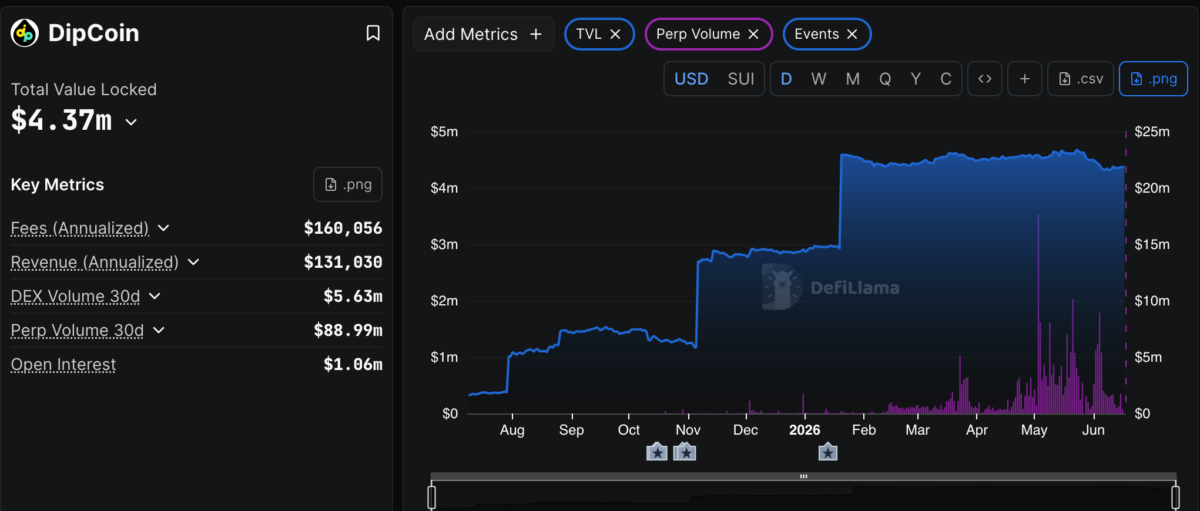
This hack, however, brought to light one key vulnerability with the design of the tokens. According to SlowMist, this hack was possible due to the faulty DIP transfer function used by the token.
SlowMist founder Cos highlighted the issue in a post on X, stating, “When I first started reading, I was a bit skeptical, but DIP contracts can be transferred twice, leading to subsequent price manipulation of related liquidity pools.”
The incident adds to a series of recent security breaches on BNB Chain. Previous attacks have targeted the BY token, DxSale liquidity lockers, and the LML staking protocol, underscoring ongoing concerns about vulnerabilities in custom smart-contract code. Security researchers have urged developers to conduct thorough audits before launching new token projects.
Also Read: Ethereum’s “Glamsterdam” Upgrade Enters Final Testing Phase