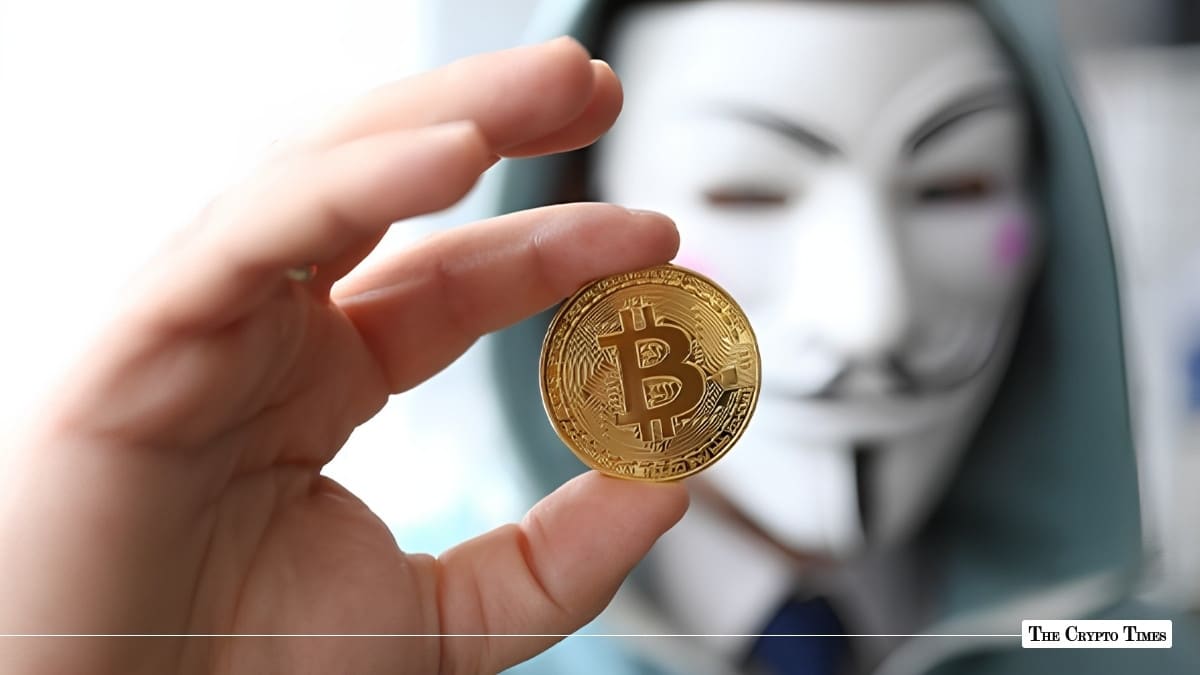
India’s growing cryptocurrency fraud crisis has claimed another major victim after a real estate broker in Vijayawada, Andhra Pradesh allegedly lost nearly ₹1.4 crore to an international crypto scam network operating through social media and fake digital asset investments.
According to a Times of India report, the scam began when the victim was approached on social media by an individual posing as a stock market and crypto investment expert. The scammer allegedly promised massive profits through cryptocurrency trading and gradually gained the broker’s confidence by showcasing fabricated returns and fake success stories.
How the fraud exploited trusted Web3 infrastructure
According to the complaint, as the victim’s interest grew, the strategy shifted into a multi-tiered team operation designed to simulate institutional legitimacy:
- Step 1: Onboarding: A female accomplice joined the conversation, introducing the broker to “high-yield” cryptographic trading pools. She guided him through downloading and setting up a legitimate, self-custodial wallet via MetaMask.
- Step 2: The Illusion: To falsify a successful proof-of-concept, the fraudsters transferred fake tokens into the broker’s wallet address. This created a convincing visual dashboard illusion that his capital was already yielding substantial rewards.
- Step 3: The Extraction: Once the target was completely confident, a third handler emerged to provide corporate mule bank accounts. Believing his principal capital was safe, the broker transferred a ₹90 lakh first installment, followed shortly after by an additional ₹50 lakh.
International links emerge during investigation
Police said the trap shut immediately after the second wire transfer went through. When the broker attempted to initiate standard profit withdrawals, the communication lines went dark. In an attempt to buy time, the syndicate sent fabricated Bitcoin transaction hashes and doctored blockchain explorer screenshots before cutting contact entirely.
Realizing he had fallen victim to a sophisticated cyber fraud operation, the broker approached authorities.
During the investigation, officials reportedly traced one of the phone numbers used in the scam to the United Kingdom. Investigators also found that one of the women allegedly linked to the operation had already left the country.
Cybercrime officials are now examining the international financial and digital links connected to the fraud network. Authorities once again warned investors against trusting online crypto schemes promising unrealistic profits and guaranteed returns.
A pan-India’s crisis
The Vijayawada case adds to a growing number of crypto-linked fraud incidents reported across India in recent months.
Earlier this year, two elderly victims in Hyderabad and Lucknow reportedly lost a combined ₹4.3 crore in separate cryptocurrency scams involving fake trading dashboards, Telegram groups, WhatsApp investment schemes, and fabricated returns.
In Hyderabad, a retired professor allegedly lost nearly ₹3.2 crore after fraudsters convinced him to invest through fake crypto trading platforms that displayed manipulated profits and account balances.Meanwhile, in Lucknow, businessman Rajendra Singh Chauhan reportedly lost ₹1.15 crore in a long-running investment fraud that initially began with SIP schemes before shifting into cryptocurrency investments.
According to investigators, the accused allegedly promised returns of up to ten times the invested amount and later used fake crypto investment dashboards to convince the victim to continue transferring funds.
Authorities said many of these scams follow a similar pattern involving social engineering, fake trading interfaces, fabricated profits, and withdrawal restrictions designed to pressure victims into sending additional money.
Fake investment platforms become major threat
Indian cybercrime investigators warned that crypto fraud networks are increasingly using fake trading apps, Telegram and WhatsApp groups, AI-generated dashboards, impersonation scams, social media promotions, and stablecoin-based offshore transfers.
Experts say decentralized blockchain networks and international crypto channels make recovery efforts significantly more difficult once funds are transferred overseas.
The rapid rise in such scams has intensified pressure on Indian authorities to strengthen cybersecurity enforcement, improve investor awareness, and tighten oversight around crypto-linked financial activity.
Also read: Global Police Seize Crypto Wallets, Bank Funds in $752M Scam