Key Highlights
- Raghav Chadha leaves AAP and joins BJP amid reported internal differences.
- The Asset Tokenization Bill, 2026, was introduced by Chadha to govern real-world assets using blockchain technology.
- He has advocated for the legalization and regulation of cryptocurrencies in India.
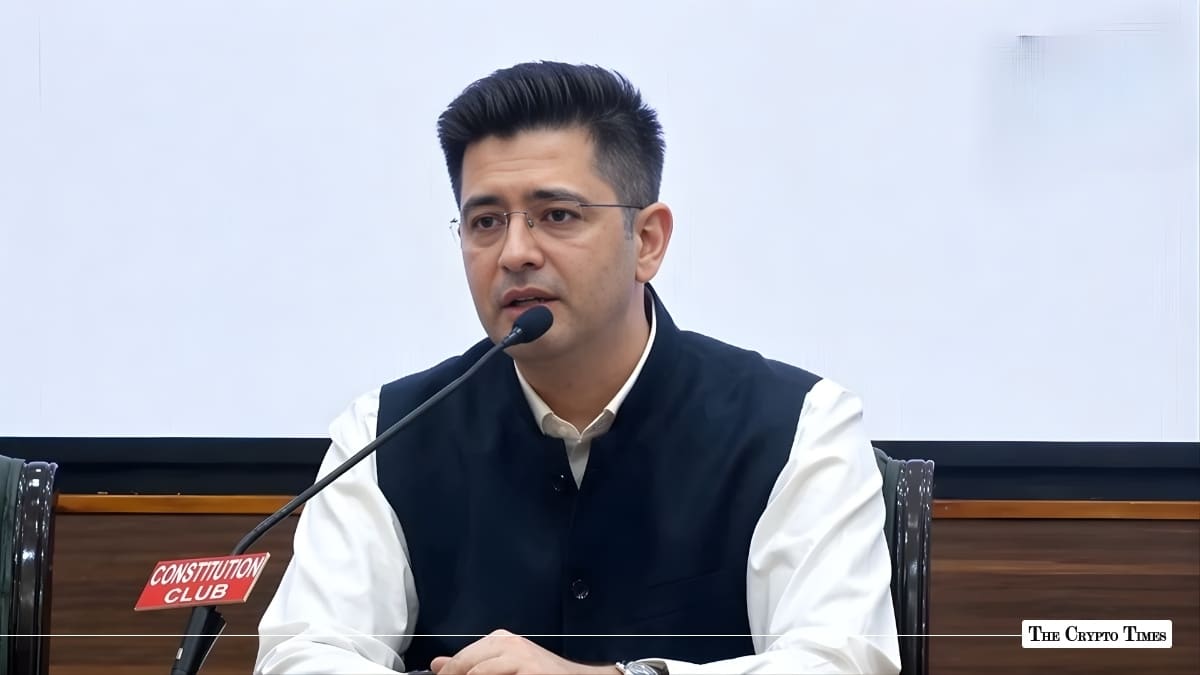
Raghav Chadha, a Member of Parliament in the Rajya Sabha and known for his pro-crypto stance, has joined the Bharatiya Janata Party (BJP) today.
In an X post on Friday, Chadha stated, “Today, exercising the provisions of the Constitution of India, more than two-thirds of the AAP MPs in the Rajya Sabha have merged with the BJP.”
Previously, Chadha was serving as a senior member of the Aam Aadmi Party (AAP). Reports suggest he left the party following internal disagreements. While the full implications of the move remain unclear, it has drawn attention due to his consistent support for crypto regulation in India.
Pro-crypto stance
Chadha has been among the few Indian politicians advocating for a systematic approach toward digital assets and tokenization over the last year. On March 14, 2026, he tabled the Asset Tokenization Bill, 2026, with the intent of formulating a comprehensive framework for the representation of the ownership rights of real-world assets via tokenization through blockchain technology.
Earlier, on February 9, 2026, he urged the central government to digitize and store the data about the land and property held by Indian citizens on blockchain infrastructure, citing benefits in terms of increased transparency and verification. He also asked the Indian government to legalize cryptocurrency usage in India and end the uncertainties in the sector.
He raised similar issues in late 2025. On December 16, he supported advancing a tokenization bill to improve the regulatory framework for crypto assets. A day earlier, he highlighted the broader economic potential of tokenization, comparing its possible impact to how UPI transformed digital transactions in India.
These positions have positioned Chadha as a notable supporter of crypto policy development in India, where the government has taken a cautious approach. While taxes on crypto transactions exist, a comprehensive regulatory framework is still pending.
Indian market context
In the first quarter of 2026, CoinSwitch’s analysis titled “India’s Crypto Portfolio: How India Invests” reveals that there is an emerging domestic crypto market with over 2.5 crore users. Although people aged 26-35 years lead in usage (48%), there is an indication that older age groups, such as those above 35 years, have increased their involvement in cryptocurrency transactions.
The states leading in usage include Uttar Pradesh (12.9%), Maharashtra, and Karnataka, with more users emerging in Tier 2 cities. Bitcoin emerges as the most dominant cryptocurrency for trading, whereas memecoins such as Dogecoin attract more attention among investors. More than 61.3% of the users are long-time holders, and buying behavior at low prices indicates more mature investors.
Aligning with ruling party’s agenda
Chadha’s move to the BJP raises the query regarding how well his policies would match the overall economic and technological agenda of the ruling party. The BJP administration has shown interest in blockchain technology in governance and data management, while maintaining a cautious stance on the regulation of cryptocurrencies.
The AAP has not issued an official response explaining the reasons behind his departure. His shift comes amid broader political realignments in recent months.
Also Read: Hairdryer Heist: Polymarket Trader Allegedly Manipulates Temperature to Win $37K