Key Highlights
- The Clarity Act crypto bill might get delayed as the Senate focuses on Kevin Warsh’s Federal Reserve Chair hearing.
- The markup may move to late April or early to mid-May, but lawmakers still have about six to seven weeks to progress the bill.
- Warsh’s $100M+ crypto-related investments are under review, and senators may question him on conflicts of interest during his hearing.
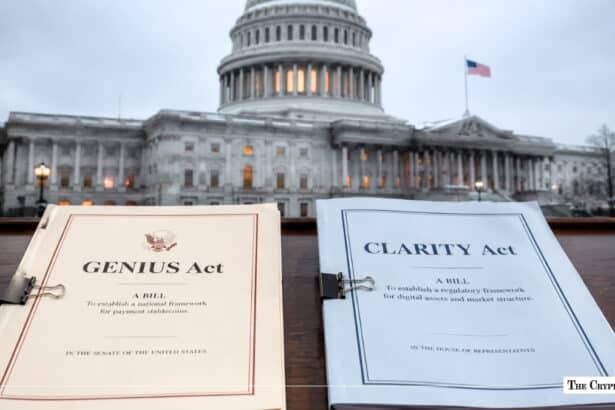
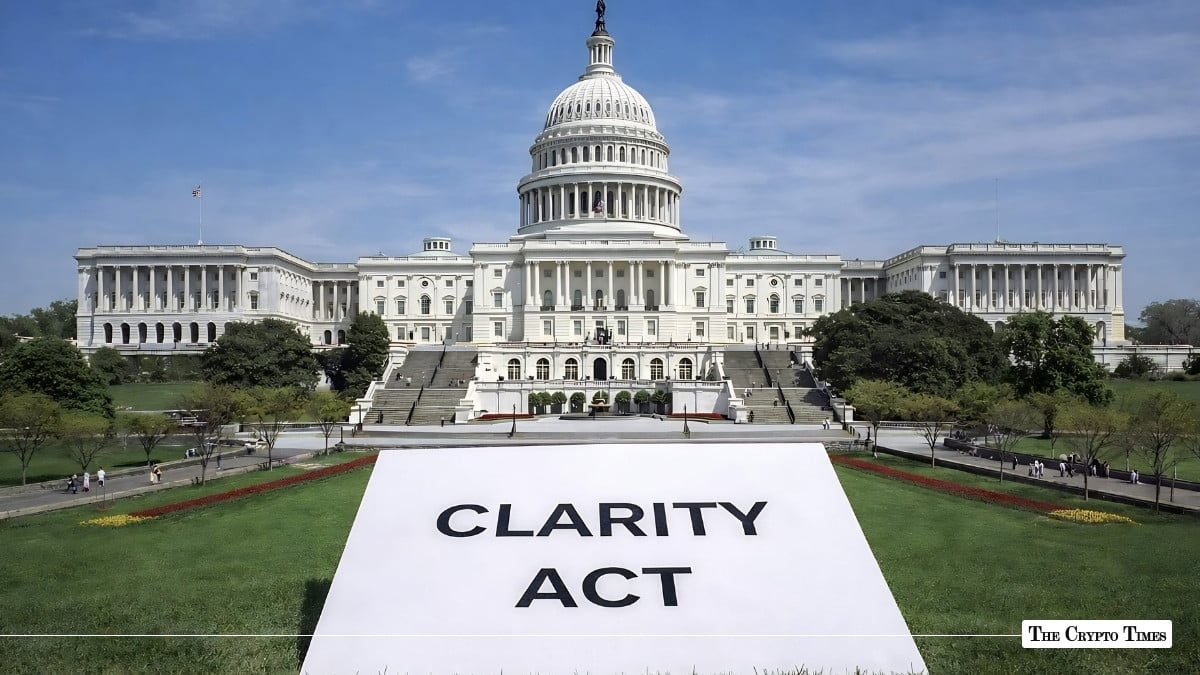
The United States Senate Banking Committee is expected to delay a decision on the Clarity Act as lawmakers are now focusing on Federal Reserve chair nominee Kevin Warsh’s hearing.
According to the updated Senate schedule, the Clarity Act is not on the agenda this week. There are talks among the insiders and media houses that it may now be moved to the last week of April or the second week of May, depending on how fast lawmakers settle the remaining issues in the Clarity Act.
Why the markup matters
The markup is a step in lawmaking where lawmakers go through the bill line by line, make changes, and then vote on whether to move it forward. The schedule released by Banking Committee Chair Tim Scott did not include the Clarity Act markup, which made the crypto space worry that the bill might fail or be dropped.
But people involved in the talks say there is still time, around six to seven weeks, to move the bill out of the Senate Banking Committee before it reaches the full Senate for a vote.
Meanwhile, the Senate calendar is also affecting the timing, as they will not be active during the first week of May. This creates another gap in the schedule and adds more delay to when the bill can be discussed and voted on.
But even with the delay, work on the Clarity Act is still going on. Lawmakers and staff are still editing and improving parts of the bill.
Key issues still being discussed in the bill
The two main topics that are still being discussed are ethics rules and tokenization. Ethics rules are laws that help prevent conflicts of interest, meaning they stop situations where a lawmaker or official could benefit personally from a decision they make.
Some other issues on the bill include decentralized finance (DeFi) and stablecoin yield, which are yet to be settled.
Warsh’s crypto ties under Senate focus
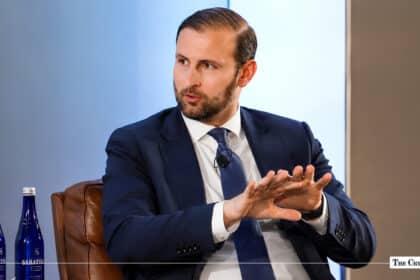
At the same time, attention is on Kevin Warsh’s confirmation hearing for Federal Reserve chair. His financial records show that he owns more than $100 million in assets. These include early investments in several crypto and blockchain companies through venture funds. He has investments in projects like Compound, dYdX, Solana, Optimism, and Blast. Because of these holdings, senators are expected to ask him questions about possible conflicts of interest.
Moreover, Warsh may have to follow a recusal process. This means he may need to step away from certain decisions that involve companies he is invested in so that decisions remain fair and not influenced by personal gain.
Some of his investments also connect to crypto trading platforms and infrastructure companies that support blockchain systems. Lawmakers are expected to focus on how he would manage these ties if he becomes Federal Reserve chair.
The Senate Banking Committee is now balancing both the Clarity Act discussions and the Federal Reserve nomination process, which is changing the timing of crypto-related lawmaking.
Also Read: UK Crypto Rules Advance as FCA Opens Public Consultation