Key Highlights
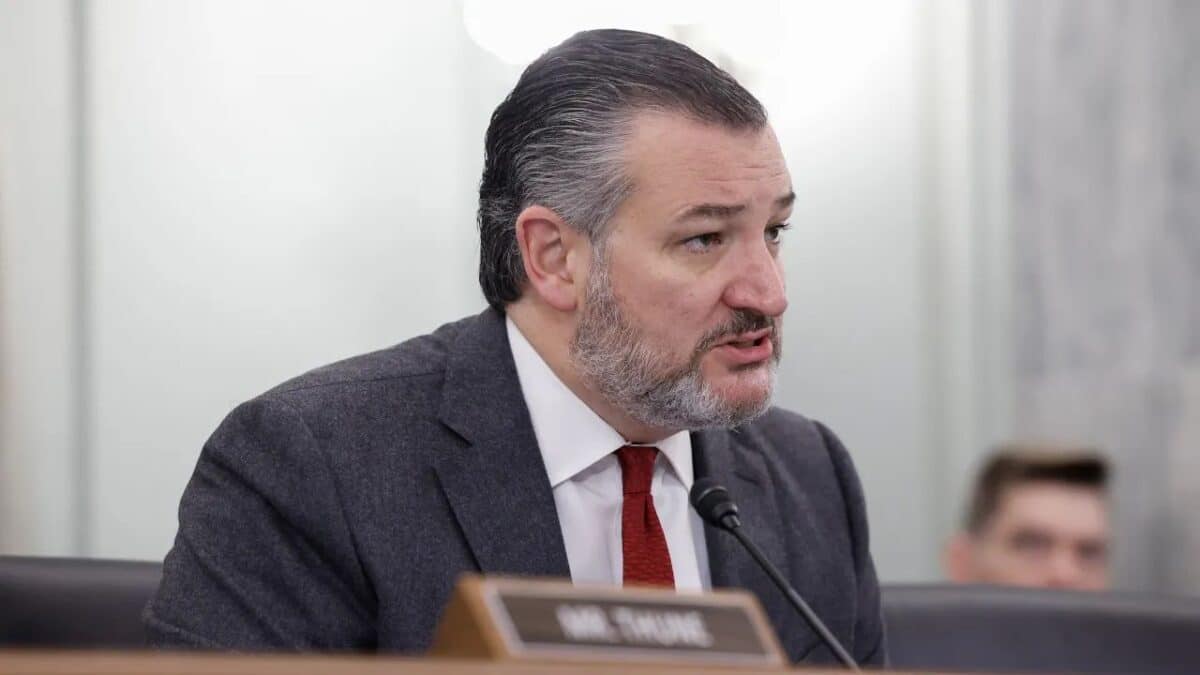
- Senator Ted Cruz filed an amendment SA 4318 to remove the 2030 sunset clause on the U.S. CBDC prohibition.
- The proposal aligns with Cruz’s Anti-CBDC Surveillance State Act, aimed at blocking a Federal Reserve digital dollar.
- A Senate vote is expected next week, as lawmakers debate privacy risks and innovation in digital payments.
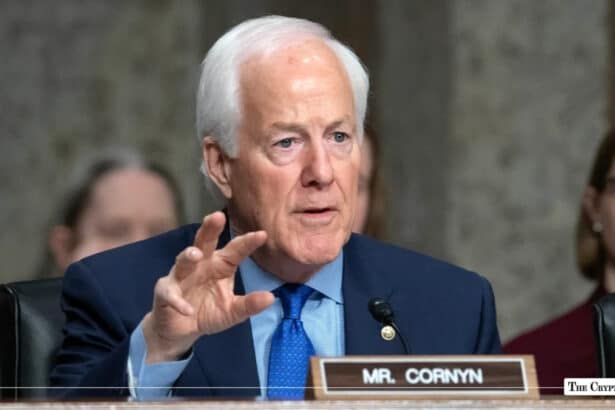
Senator Ted Cruz (R-TX) has filed an amendment to the Senate’s 21st Century ROAD to Housing Act that would remove the sunset clause on the prohibition of central bank digital currencies (CBDCs).
If adopted, the amendment would make the ban permanent, rather than expiring on December 31, 2030.
Eleanor Terrett reported on X that Cruz plans to push for a vote on the amendment next week. This move comes as Congress continues to debate the role of digital currencies in the U.S. financial system.
Cruz’s Anti-CBDC Efforts
Cruz first introduced the Anti-CBDC Surveillance State Act in 2025. That legislation, a Senate companion to a House bill led by GOP Majority Whip, aims to block Federal Reserve-issued digital dollars due to privacy and surveillance concerns.
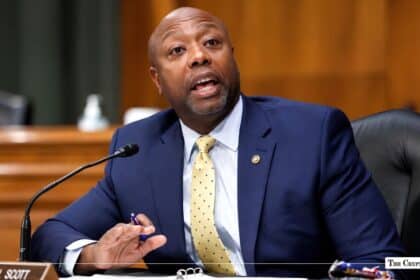
The new amendment, SA 4318, targets lines 15-16 on page 302 of amendment No. 4308, originally proposed by Senators Tim Scott (R-SC) and Elizabeth Warren (D-MA). By striking those lines, Cruz seeks to remove the 2030 sunset date entirely, aligning the housing bill with his 2025 anti-CBDC legislation.
Housing Reform in the 21st Century ROAD to Housing Act
While Cruz’s amendment focuses on digital currency, the 21st Century ROAD to Housing Act (H.R. 6644) addresses the nation’s housing shortage. Introduced on March 2, 2026, the bipartisan 21st Century ROAD to Housing Act aims to increase the supply of housing in the United States.
The bill focuses on zoning reforms, incentives for construction, and streamlining the permitting process to make it easier and faster to build new homes.
The legislation also instructs federal agencies to coordinate timelines for reviewing grants, standardize the language used in funding notices, reduce duplicate reporting requirements, and identify obstacles that may prevent effective collaboration between the Department of Housing and Urban Development (HUD) and the Economic Development Administration.
Other Key Amendments
Several amendments have been added to strengthen the bill’s impact. SA 4317, proposed by Senators Young and Schatz, requires recipients of federal housing grants to submit reports on land use policies. This includes information on multifamily zoning, allowances for duplexes, triplexes, accessory dwelling units, and efforts to make permitting processes more efficient.
SA 4319, introduced by Senator Elissa Slotkin, creates the National Housing Emergency Act of 2026, which urges the President to declare a housing emergency and use the Defense Production Act to increase the domestic supply of construction materials necessary for new housing and rehabilitation projects.
The bill also highlights the severity of the housing shortage. Roughly 75% of American households cannot afford a median-priced home, housing costs account for about 45% of household spending, overregulation adds approximately 25% to the cost of building new homes, and the deficit of housing units is projected to reach nearly 10 million by 2035.
What’s Next
A vote on Senator Ted Cruz’s amendment related to the CBDC ban is expected sometime next week. Those backing the proposal say removing the expiration date is important if the U.S. wants to ensure that a central bank digital currency is never used in a way that could compromise financial privacy or allow government monitoring of personal transactions.
Others in the policy debate see it differently. They argue that placing a permanent prohibition on CBDCs could restrict the country’s ability to experiment with new forms of digital payments and financial infrastructure as technology continues to evolve.
The debate around Cruz’s amendment also shows how discussions about digital money are increasingly appearing in legislation that is not directly about finance. In this case, a housing bill has become the setting for a broader policy fight over privacy, government oversight, and the long-term direction of the U.S. financial system.
Also Read: Senator Lummis Meets CFTC Chair Selig to Discuss Crypto Market