Key Highlights
- Executives from Coinbase, Ripple, and a16z are joining banking representatives for a pivotal meeting to address stablecoin yield.
- Crypto leaders have been advocating for passing investment returns from stablecoin reserves to users to drive innovation, while banks warn it could erode traditional deposits and threaten the system.
- The deadlock is delaying the bipartisan CLARITY Act, which aims to define regulatory roles for agencies like the SEC and CFTC, with a loose end-of-February deadline for resolution.
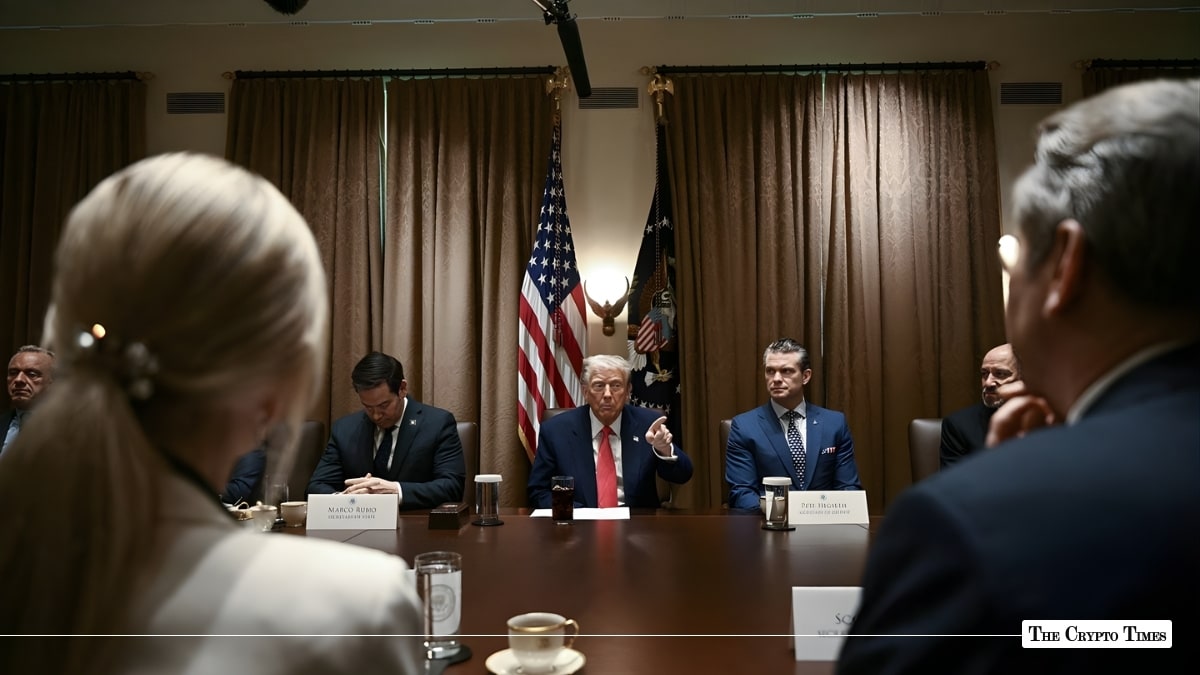
Top executives from major cryptocurrency firms are set to converge at the White House on Thursday for a third round of talks aimed at breaking a deadlock over stablecoin yields.
The meeting, scheduled to be held at 9 a.m. ET at the White House today, involves leading executives from crypto companies—including Coinbase Chief Legal Officer Paul Grewal, Ripple General Counsel Stuart Alderoty, and a16z Crypto General Counsel Miles Jennings, along with representatives from banking trade groups and other crypto organizations.
As shared in an X post by Eleanor Terrett, a popular Crypto Journalist and Host at Crypto America, this will be the third meeting between industry leaders and policy makers.
An effort to bridge TradFi and crypto
This meeting holds significance as previous sessions—one in early February involving a wide array of crypto firms like Paxos, Kraken, and PayPal, and another on February 10 with major banks including Goldman Sachs and JPMorgan—were deemed constructive but yielded no agreement.
Sources familiar with the discussions described the session as an effort to bridge divides between traditional finance and the crypto sector, following two prior meetings that ended without resolution.
Stablecoins, dollar-pegged digital tokens like USDC and USDT, are backed by reserves often invested in low-risk assets such as U.S. Treasury bills. Issuers earn yields from these investments, and some pass a portion back to users as rewards.
On the front side, crypto advocates argue this fosters innovation and provides better returns for consumers, potentially expanding adoption of blockchain technology. Banks, however, contend that yield-bearing stablecoins siphon deposits from traditional accounts, threatening financial stability.
This impasse has stalled the bipartisan CLARITY Act, which seeks to clarify regulatory oversight for cryptocurrencies by dividing responsibilities between agencies like the Securities and Exchange Commission (SEC) and Commodity Futures Trading Commission (CFTC). Lawmakers have set a loose end-of-February deadline for compromise, with White House officials facilitating the talks to hammer out details.
Also read: UAE Royal Group’s Bitcoin Mining Activity Brings Them 6,782 BTC So Far