Key Highlights
- Atkins reiterates SEC plans to update outdated crypto rules.
- The CNBC interview touches on market risks, governance, and innovation.
- FDIC advances GENIUS Act framework as stablecoin regulation accelerates.
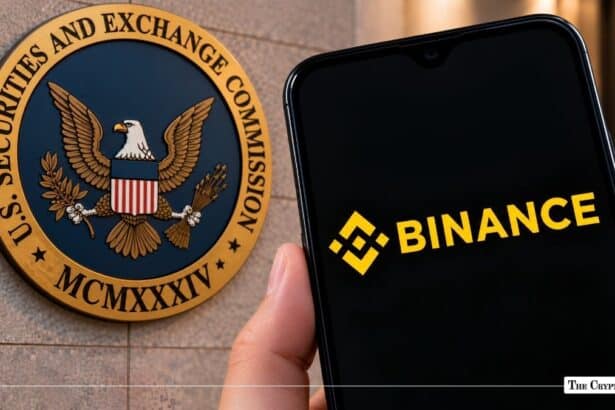
On Tuesday, U.S. Securities and Exchange Commission (SEC) Chairman Paul Atkins outlined the agency’s efforts to modernize financial rules, particularly those governing crypto custody and market structure.
Atkins first previewed this push back on August 15, when he said some of the SEC’s rules “are nearly a century old” and no longer fit the realities of digital assets, adding that crypto must be safeguarded under updated, standardized frameworks.
Why SEC rules need update
Many SEC rules governing custody and market structure were written long before digital assets existed. In a CNBC interview dated December 2, Atkins said these rules no longer fit how crypto is stored or traded, leaving firms and investors in unclear regulatory territory.
These outdated frameworks can slow innovation and limit market access. Updating them, he said, would give issuers clearer protections, improve capital formation, and bring more crypto activity under a workable U.S. regulatory system.
Markets, governance, and investor risk
Speaking from the New York Stock Exchange, Atkins linked efficient capital markets to the U.S.’s broader economic history while emphasizing the need for a “rulebook fit for purpose.”
He also addressed the blurring line between investing and gambling, noting that the SEC’s job is to protect investors even as risk appetite evolves.
“We want to make sure we modernize our rules and make raising capital easier,” he said, reiterating concerns about shrinking public-company listings and outdated governance obligations.
FDIC advances GENIUS Act
Atkins’ interview landed the same day the Federal Deposit Insurance Corporation (FDIC) outlined progress on the GENIUS Act, new federal legislation designed to regulate stablecoin issuers.
Acting Chair Travis Hill said the FDIC will publish its initial framework this month, followed by licensing, capital, liquidity, and reserve requirements in 2026. The move marks one of Washington’s clearest steps toward unified stablecoin regulation.
What’s next
With the SEC working on crypto-market modernization and the FDIC preparing the first federal stablecoin standards, U.S. agencies are entering a coordinated phase of digital-asset oversight.
Investors will be watching whether Atkins’ forthcoming rule changes and the GENIUS Act framework bring long-promised clarity to the industry.
Also read: Hester Peirce Says SEC Makes 180-Degree Turn on Crypto Policy