Key Highlights
- Sam Bankman-Fried denied bribing Chinese officials with $40 million, claiming FTX customer funds were largely repaid and bankruptcy mismanagement worsened the company’s troubles.
- Blockchain analysts traced FTX wallets showing a $40 million transfer in November 2021, raising questions about SBF’s role in alleged bribery and suspicious fund movements.
- Political and legal pressures mount as reports emerge of lobbying efforts for SBF’s pardon despite his 25-year fraud sentence, keeping the FTX saga in the spotlight.
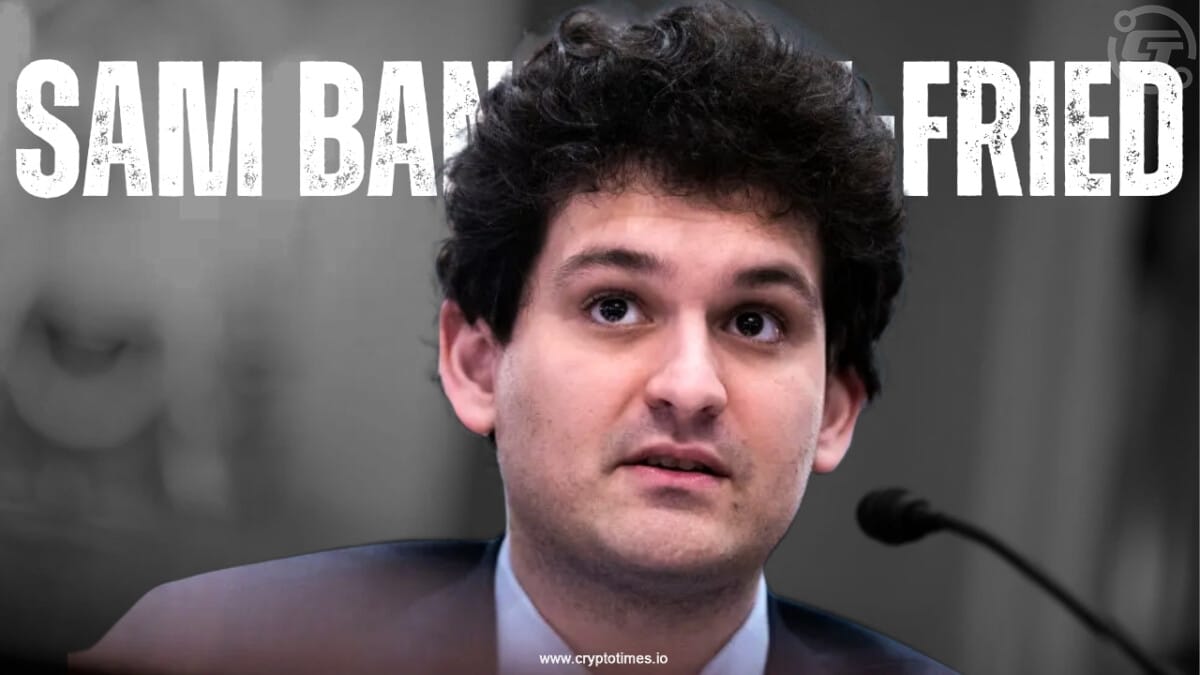
The convicted FTX founder Sam Bankman-Fried is waging a multi-front war to rewrite his legacy. Through a series of social media posts, said to be managed by his friend, SBF is simultaneously denying criminal allegations. He is claiming that FTX was never insolvent while attacking the credibility of the bankruptcy estate—all while a separate, well-funded campaign is reportedly lobbying for a presidential pardon.
This new campaign represents a high-stakes attempt by the disgraced founder, who is currently serving a 25-year sentence, to reframe his narrative from that of a common fraudster to one of a “political victim” caught in a web of mismanagement.
Battlefront 1: The Legal Front (Denying the $40M Bribe)
A most recent volley in this campaign is a direct denial of long-standing allegations that he bribed Chinese officials. The issue resurfaced when renowned on-chain investigator ZachXBT publicly asked SBF on X, “Riddle me about the $40M transfer to Chinese authorities you hid from the public?”
In reply, SBF clarified the issue while framing the payment not as a bribe but as a ransom to unfreeze $1 billion in assets. “Chinese exchanges stole $1b and offered to give $960m back. What should we have done—said ‘nah, keep the full $1b’?,” he clarified.
However, on-chain data complicates SBF’s new narrative. Researcher DefiSquared previously tracked a $40 million transfer from FTX in November 2021, the exact time of the alleged bribe, to a wallet linked to the Multichain exploiter, raising critical questions about the true nature of the payment.
Battlefront 2: The Financial Front (The “Solvency” Myth)
This denial is part of a broader, ongoing campaign by SBF to argue that FTX was not a catastrophic failure, but a solvent company destroyed by mismanagement after his removal.
In a post a few days earlier, SBF’s account asserted that the firm still possesses enough assets to repay all customers and cover disputed claims. He has repeatedly accused the current leadership, led by restructuring expert John J. Ray III, of deliberately mismanaging the estate.
This “solvency” narrative is fiercely contested by creditors. FTX creditor Arush has shared posts alleging that Ray’s team is racking up “inflated legal fees” and manipulating asset sales. While these claims highlight widespread frustration with the bankruptcy process, they do not substantiate SBF’s core claim that the company was solvent at the time of its collapse—a claim directly refuted by the U.S. government’s evidence at his trial.
Battlefront 3: The Political Front (The Pardon Lobby)
The third front of SBF’s campaign is political and provides crucial context for his other claims. Investigative journalist Laura Loomer reported earlier this year that a “highly mobilized and well-funded” campaign is underway to lobby for a presidential pardon for SBF from the Trump administration.
Loomer’s report claimed operatives are attempting to portray SBF as a “political victim” of the previous Biden administration. SBF’s new, aggressive public statements—attacking the old DOJ and claiming he was solvent—appear to be a direct effort to build a public narrative that supports this high-stakes political plea.
Why This Matters: A High-Stakes Battle for the FTX Narrative
Taken individually, Sam Bankman-Fried’s statements are easily dismissed as the isolated ramblings of a convicted felon. But when viewed together, they form a coherent and sophisticated legal and public relations strategy.
By attacking the integrity of the bankruptcy process, claiming he was solvent all along, and reframing a potential bribe as a “ransom,” SBF is not just tweeting; he is building a multi-pronged foundation for his legal appeal and his plea for a presidential pardon. The FTX saga is far from over; it has simply moved from a financial crime to a complex political and historical battle for the narrative.
Also Read: SBF Claims Biden Administration Targeted Him Over GOP Donations