


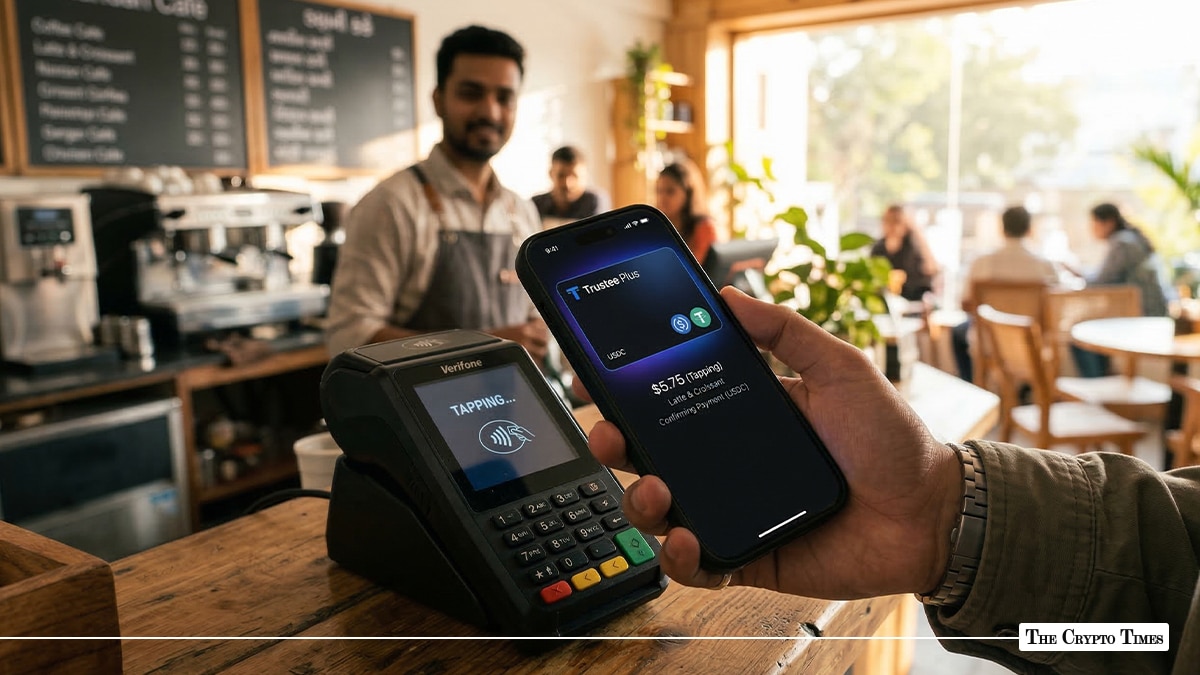
Just five years ago, the term “crypto card” implied a clunky pre-paid piece of plastic. It required manual top-ups, resulting in double conversion fees and wasted time.
By 2026, the payments architecture has fundamentally shifted. The evolution of fintech has transformed crypto cards from a niche tool for early adopters into an integral part of the global financial ecosystem.
We are now witnessing a full merge of traditional banking and Web3. Paying with cryptocurrency has become as technically simple as using Apple Pay, but with the added benefits of decentralized assets. Below, we break down the technological innovations driving this shift, using industry-leading products like Trustee Plus as our benchmark.
Quick Summary: The 2026 Crypto Card Standard
- Hybrid Banking: Personal IBANs natively integrated into crypto wallets.
- On-Demand Conversion: Instant, millisecond swaps at the point of sale.
- NFC Tokenization: Direct integration with Apple Pay and Google Pay.
- Stablecoin-First: Spending USDC/USDT to eliminate volatility.
- Asset Mobility: Instant, fee-free bridging between secure storage and spending accounts.
- User-Side AML: Built-in checks to prevent wallet freezes from “dirty” crypto.
1. Hybrid Banking Architecture: The In-Wallet IBAN
For years, cryptocurrency and traditional fiat existed in parallel realities. To spend digital assets, users navigated a complex, fee-heavy route: Exchange → P2P Market → Bank Account → Payment.
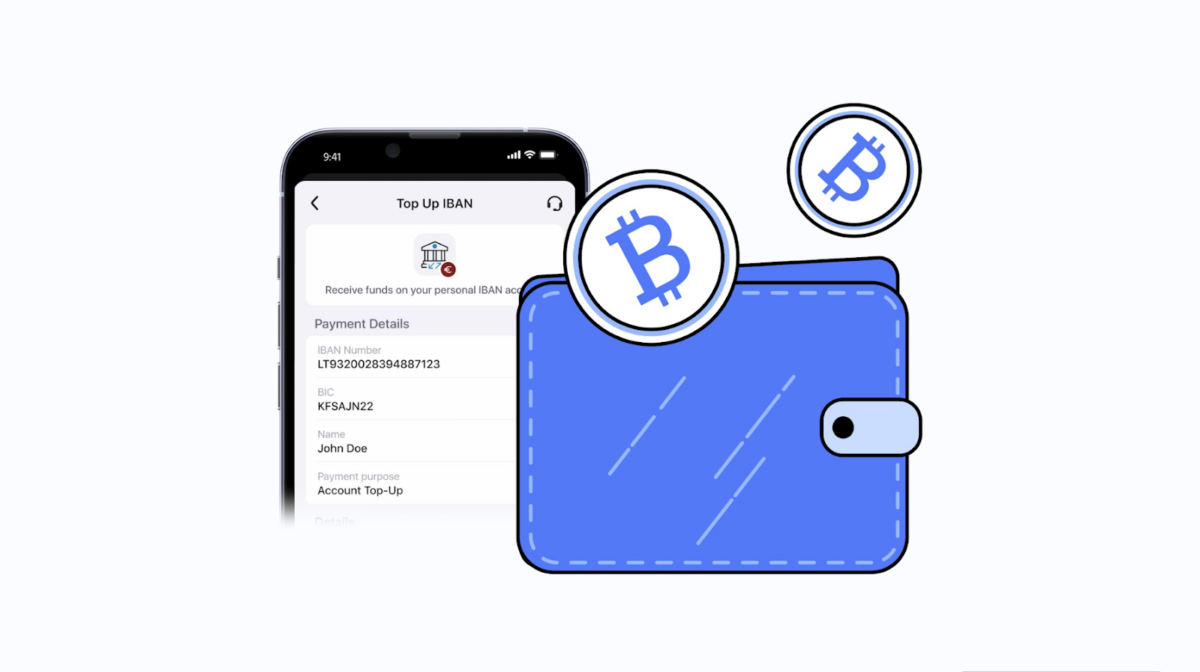
The breakthrough of 2026 is the native integration of traditional fiat rails directly into wallet infrastructure. The app is no longer just “storage” for Bitcoin; it operates as a full-fledged neobank.
How it works: Wallets now generate a personal IBAN (International Bank Account Number) for the user. This allows you to instantly receive SEPA transfers (like salary or freelance fees) and send fiat to any bank account globally.
The Trustee Plus Implementation: Trustee Plus serves as the reference for this architecture. By integrating a European bank account directly into the wallet interface, they eliminated the need for third-party services. Your incoming SEPA transfers are instantly available for crypto operations, and vice versa.
2. On-Demand Conversion: The End of the Pre-Paid Era
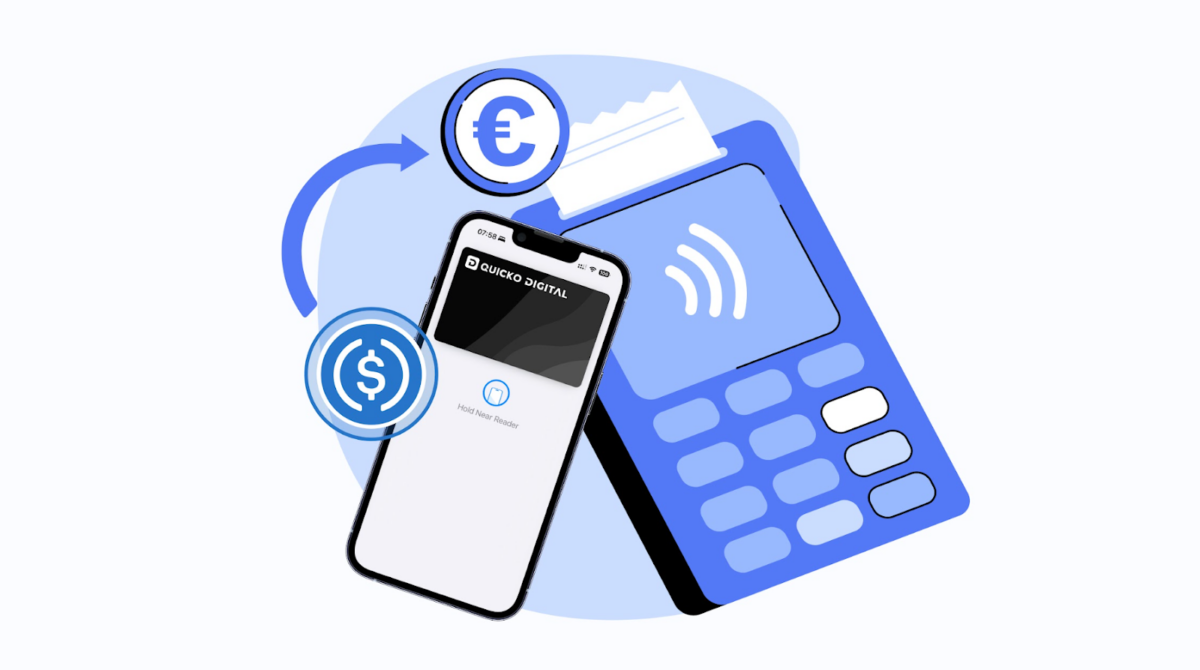
Early crypto cards relied on a frustrating pre-paid model. To buy a coffee, you had to open an app, sell crypto for fiat, and manually “load” the card. If you forgot, your card was declined.
The game-changer is On-Demand Conversion. Today, funds are deducted directly from your cryptocurrency balance at the exact moment you tap the payment terminal.
The Trustee Plus Implementation: This mechanism is automated to perfection. In the millisecond between the terminal’s request and the transaction approval, an instant swap occurs. You keep your assets in crypto until the very last second, protecting you from unnecessary market volatility—all with 0% hidden conversion fees.
3. Tokenization and NFC Priority (Apple & Google Pay)
Physical plastic is quickly becoming a backup option. The primary vector of modern payment systems is total digitalization via smartphones and wearables.
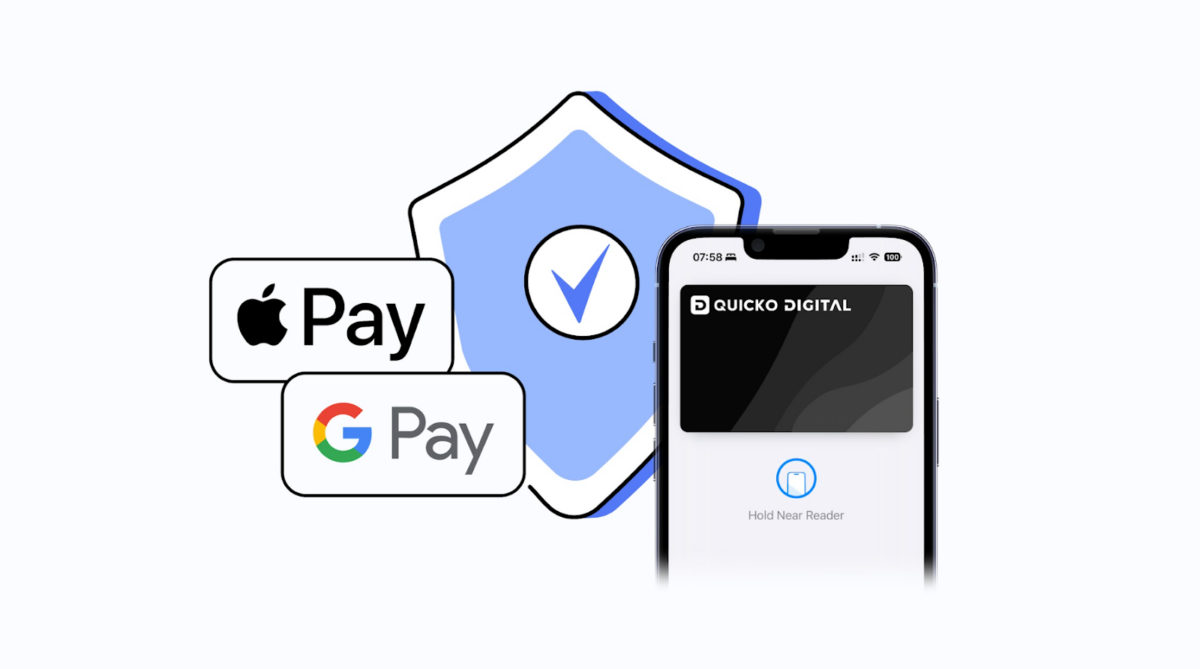
The underlying technology driving this is tokenization. When you add a crypto card to Apple Pay or Google Pay, your real credentials are never stored on the device or transmitted to the merchant. Instead, a unique digital token is created, reducing the risk of skimming to zero.
The Trustee Plus Implementation: Users can start spending funds immediately after verification. Adding the card to Apple Pay or Google Pay takes just seconds, turning any NFC-enabled smartphone into a highly secure crypto payment gateway.
4. Stablecoin-First Economy: Predictable Spending

The romantic idea of “paying for coffee with Bitcoin” crashed against the reality of high volatility and tax complexities. No one wants to spend an asset that might grow by 10% tomorrow.
The industry has firmly pivoted to a Stablecoin-First model. Users hold their long-term savings in BTC or ETH, but use digital dollars or euros (like USDC and USDT) for daily expenses.
The Trustee Plus Implementation: The Trustee architecture is heavily optimized for stablecoins. Users can pay directly from their USDC balances without redundant conversions. You effectively spend “crypto-dollars” with the exact same ease as fiat currency.
5. Seamless Asset Mobility
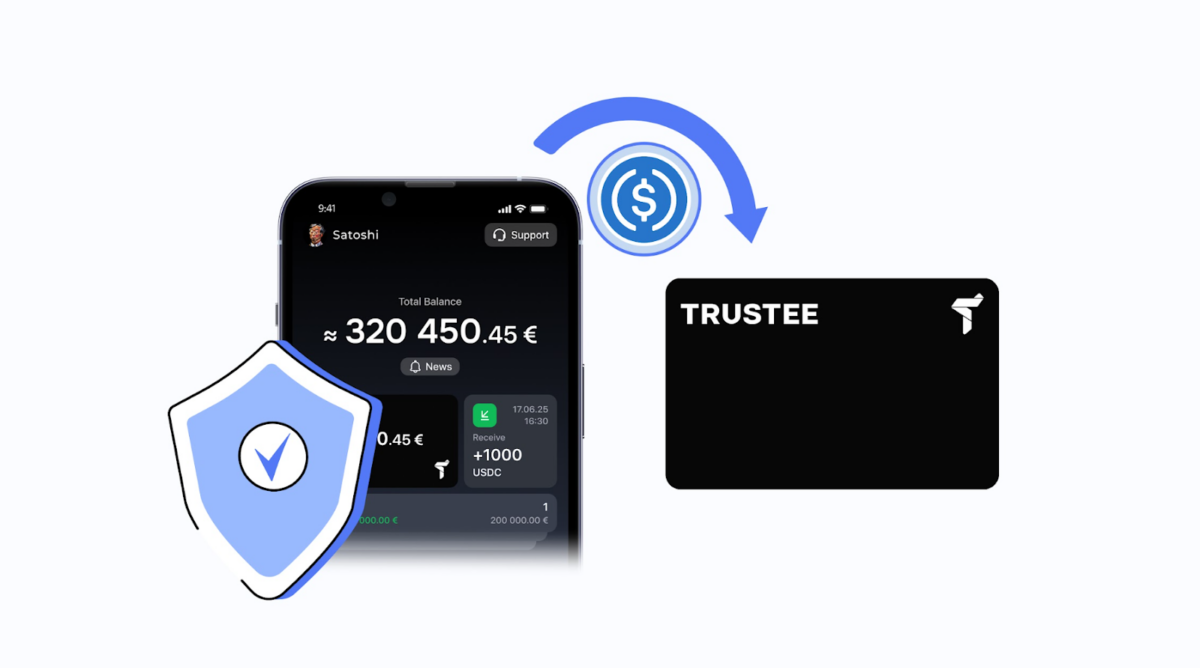
Historically, crypto users faced a rigid dilemma: choose security (cold wallets with difficult access) or convenience (custodial services with centralized risk). The 2026 ecosystem bridges these two worlds.
The modern standard allows users to store their main capital in a non-custodial wallet while retaining the ability to transfer funds to a spending card in seconds.
The Trustee Plus Implementation: Through its link with the non-custodial Trustee Wallet app, users can move assets between secure storage and their active card balance instantly and fee-free. Your money remains under your total control until the moment you check out at the grocery store.
6. User-Side AML Monitoring
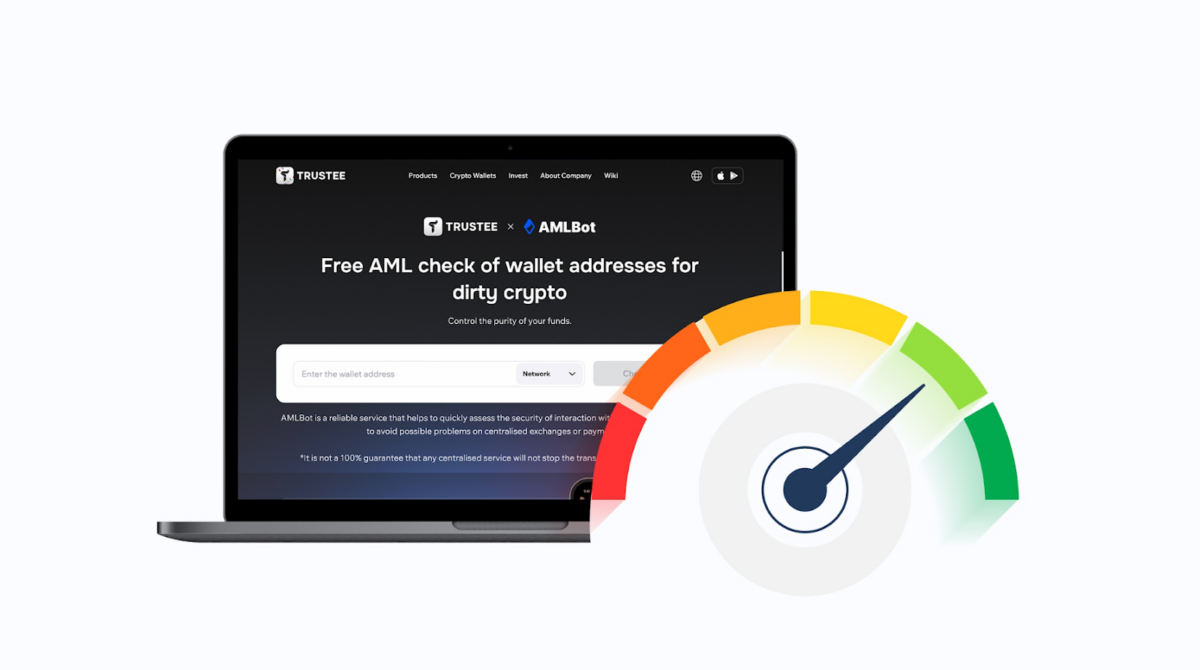
The “Wild West” era of crypto is over. Today, the cleanliness of your assets is just as important as the quantity. Receiving “dirty” cryptocurrency can trigger automated bank security systems, leading to instant account freezes.
The innovation here is the democratization of Anti-Money Laundering (AML) checks. Once reserved for intelligence agencies and major exchanges, these tools are now available to everyday consumers.
The Trustee Plus Implementation: Trustee developers embedded a professional AML module directly into the app. Before accepting a transfer, users can check the sender’s wallet address and view its “Risk Score.” This vital hygiene tool ensures your clean income is never compromised by a toxic transaction.
Conclusion:
By 2026, the primary goal of the fintech revolution has been achieved: the technology is finally invisible. Users no longer need to worry about blockchain bridges, order books, network types, or banking gateway hours. The entire complex mechanism runs silently under the hood. We have officially transitioned from “Cryptocurrency is an investment” to “Cryptocurrency is money.” As highlighted by top crypto media outlets like Incrypted, solutions like Trustee Plus prove that digital assets are now faster, more liquid, and infinitely more convenient than traditional fiat.