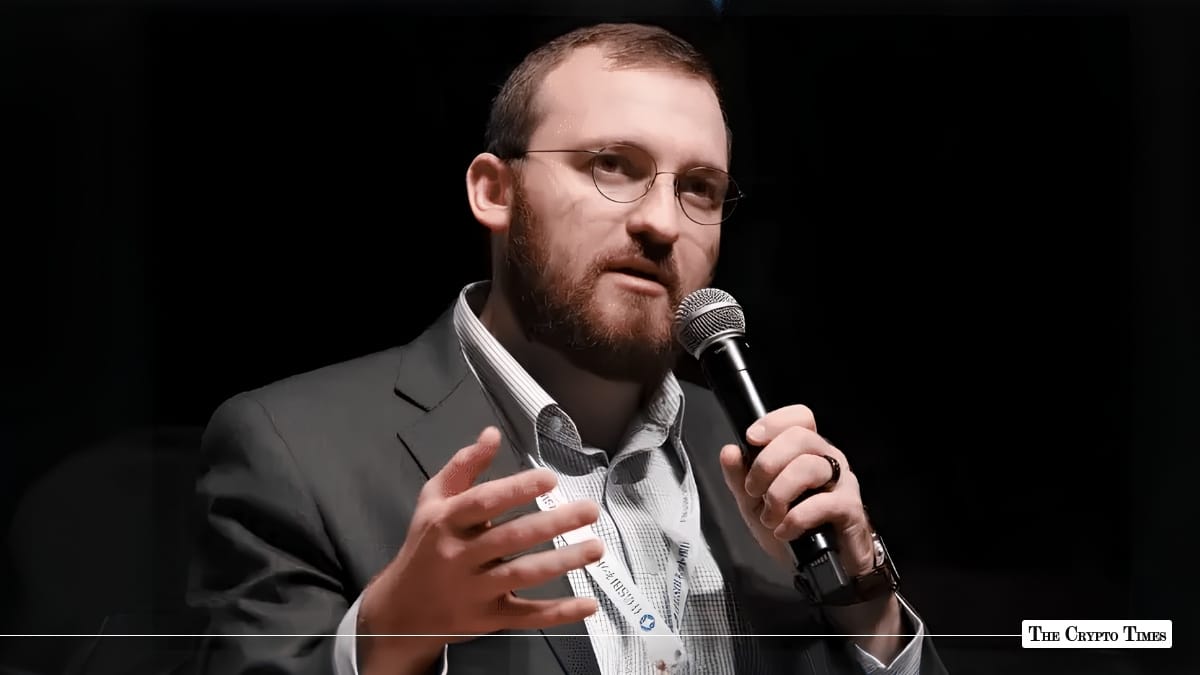
Cardano Founder Charles Hoskinson has provided a detailed explanation regarding the long-debated 1,096 Bitcoin (BTC) linked to Cardano’s early Isle of Man Foundation, arguing that the funds were used during 2016 and 2017 to satisfy complex cross-jurisdictional audit requirements.
The comments came during a weekend video AMA focused on governance, treasury management, and Cardano’s future direction. However, the clarification has not fully settled the issue, with high-profile bankruptcy claims investor Thomas Braziel publicly calling for additional evidence.
Hoskinson ties Bitcoin to early crowdsale audit
According to Hoskinson’s livestream, the 1,096 BTC transaction stems from a March 2016 request by the Cardano Foundation’s early Chairman, Michael Parsons.The allocation was meant to cover a comprehensive audit of the original ADA token crowdsale, which primarily raised funds from Japanese investors.
Hoskinson emphasized that Bitcoin traded at significantly lower prices during that period. With Bitcoin closing around $414 on March 13, 2016, the entire audit bill amounted to roughly $454,000 at the time. According to the founder, this sum was split among three primary reviewers managing the process: Michael Parsons, John Maguire, and Bruce Milligan.
While a $454,000 bill for a complex, multi-round international fundraise was reasonable in 2016, the fact that the asset used for payment is now worth approximately $70 million has drawn intense community scrutiny.
Braziel demands supporting documentation
While acknowledging that Hoskinson’s explanation fills in part of the historical backstory, Thomas Braziel, Founder and Managing Partner of 117 Partners, argued that key accounting questions remain unresolved.
“The question was never whether audits cost money,” Braziel wrote on X. “The question was where 1,096 BTC went, who received it, and why.”
Braziel, who began investigating after the legacy Isle of Man foundation entity was formally dissolved in December 2025, has called for the publication of official invoices and service agreements; corporate approvals and payment records; and clear accounting trails showing which entities controlled the private keys.
Braziel also questioned whether the scale of the Bitcoin allocation aligns with typical corporate audit expenses of that era, stating that “the numbers just don’t seem to add up.” He has repeatedly clarified that he is not alleging theft or fraud, framing his inquiry strictly as a matter of historical transparency and ecosystem record-keeping.
Community debate shifts toward governance
The controversy arrives amid a broader debate over Cardano governance, transparency, and treasury management.
A number of community members have argued that responsibility for explaining the historical records should fall on the Cardano Foundation, which succeeded the original Isle of Man Foundation structure.
Braziel responded that he has already raised concerns through private channels and said former employees have contacted him regarding the matter, contributing to his decision to continue discussing it publicly.
Hoskinson pushes for better governance discussions
The dispute also overlaps with Hoskinson’s recent criticism of governance discussions taking place primarily on X. Hoskinson criticized the tendency for complex ecosystem discussions to take place primarily on X, arguing that microblogging platforms inherently incentivize conflict, speculation, and outrage over constructive planning.
“We need effective conversation,” Hoskinson stated, urging the community to move rigorous financial and strategic debates away from public feeds and into dedicated Discord channels and structured, long-term ecosystem forums.
A test for decentralized governance
The 1,096 BTC inquiry has become one of the most visible governance-related disputes facing Cardano in 2026. For supporters seeking clarity, the debate is no longer focused solely on the value of the Bitcoin itself, but on whether sufficient documentation exists to explain how early Cardano entities managed and approved significant financial transactions.
While Hoskinson maintains that the matter relates to historical audit and compliance work, Braziel continues to push for documentary evidence that could provide a complete accounting trail.
As governance discussions evolve and calls for transparency grow louder, the dispute is increasingly becoming a test case for how decentralized ecosystems address questions about their earliest financial decisions.
Also read: Strategy Defends 32 BTC Sale, Bets Big on CLARITY Act Wave