The Commodity Futures Trading Commission (CFTC) has stepped into Kalshi’s legal battle with Ohio, escalating a growing fight over who controls prediction markets. In an amicus brief filed with a federal appeals court, the CFTC asked judges to block states from treating federally regulated event contracts as illegal gambling, a move that could shape the future of platforms like Kalshi, Polymarket, and Crypto.com.
The dispute began after Ohio ordered Kalshi to stop offering sports-related event contracts, arguing the products resembled unlicensed betting. However, the CFTC said those markets fall under federal derivatives law, not state gambling rules. The agency accused Ohio regulators of overstepping their authority in a case that could redefine oversight of the fast-growing prediction market industry.
Federal regulators push back against states
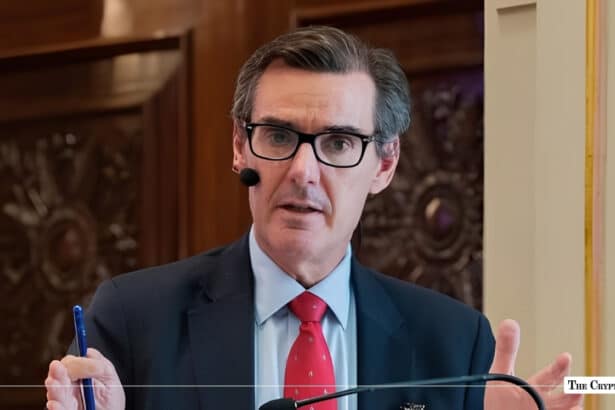
CFTC Chairman Michael Selig pushed back against the earlier Ohio court ruling that went against Kalshi, saying the judge took “an improperly narrow view” of the agency’s authority over prediction markets. He warned that growing state lawsuits could weaken the regulator’s long-standing control over event-based contracts.
In a video posted on X, Selig said the agency would fight what he called an “onslaught of state-led litigation” targeting prediction market platforms. He argued that federally regulated derivatives products should not be treated as state gambling operations, stressing that the CFTC has overseen such markets for more than two decades.
Prediction markets face growing legal pressure
The Kalshi case could have wider consequences for the fast-growing prediction market industry. Besides Ohio, several states have challenged platforms offering sports and political event contracts, arguing the products resemble gambling. The CFTC has already taken legal action against regulators in Wisconsin, New York, Arizona, Connecticut, and Illinois over similar disputes.
The agency also backed Crypto.com earlier this year in a separate appeals case involving Nevada regulators. That support signals a broader effort by the CFTC to defend federal authority over prediction markets as more states move to restrict the platforms.
Selig said the agency has regulated event-based contracts for more than 20 years. He argued prediction markets help users manage financial risk and improve price discovery. However, critics continue raising concerns about insider trading, market manipulation, and speculation tied to sports and political outcomes.
With the Sixth Circuit now weighing the Kalshi case, legal experts suggest this jurisdictional tug-of-war may ultimately require intervention from the United States Supreme Court to settle the boundary between federal swaps and state sports betting.
Also Read: Democrats Found the Achilles’ Heel of Clarity Act: Ethics Provision