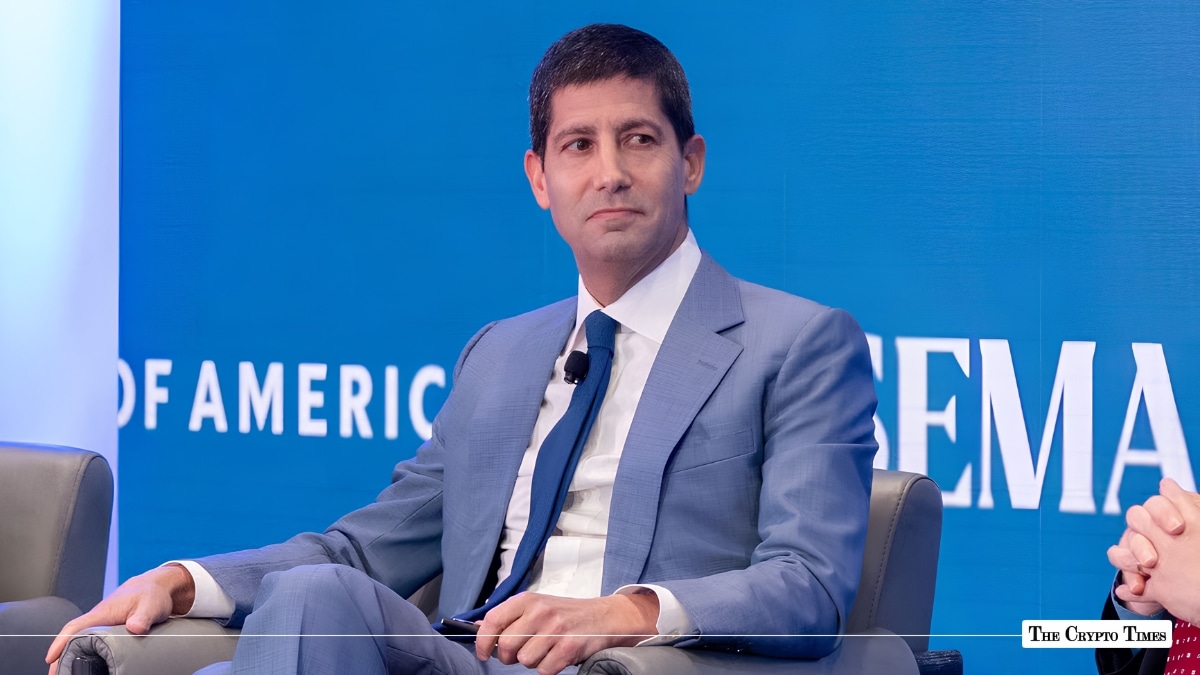
The U.S. Senate voted 51-45 on Tuesday to confirm Kevin Warsh to the Federal Reserve Board of Governors, putting a former central banker with disclosed investments in crypto-related companies one step closer to leading the U.S. central bank.
According to a Bloomberg report, the vote gives Warsh a 14-year term on the Fed’s board. The Senate also cleared a procedural hurdle for a separate vote on his nomination to serve as chair of the Federal Reserve, where he would succeed Jerome Powell after Powell’s term ends this week.
Crypto investments draw attention
Warsh’s financial disclosures showed that, while the vast majority of his wealth is tied to traditional investment funds, he also holds smaller stakes in several companies linked to digital assets and financial technology.
Among the disclosed positions were investments connected to prediction market platform Polymarket, blockchain infrastructure firm Tenderly, and fintech companies Lemon Cash and Stashfin. These holdings were reported through DCM Investments 10 LLC and were valued at up to $500,000 in total.
Portfolio dominated by traditional assets
The crypto-related positions make up a small portion of Warsh’s disclosed net worth, which exceeds $100 million.
His largest reported holdings are two investments worth more than $50 million each in Juggernaut Fund LP, an investment vehicle associated with investor Stanley Druckenmiller. Warsh also disclosed stakes in private companies, including SpaceX, as well as startups focused on artificial intelligence, biotechnology, and automation.
Return to the Federal Reserve
Warsh previously served as a Federal Reserve governor from 2006 to 2011, including during the global financial crisis. President Donald Trump nominated him earlier this year to replace Powell as Fed chair. Trump has praised Warsh’s views on monetary policy and criticized the central bank for maintaining interest rates at restrictive levels for too long.
Warsh has argued that the Fed should move more decisively when inflation pressures ease and has been critical of the central bank’s expanded balance sheet.
Implications for crypto policy
The Federal Reserve does not directly regulate cryptocurrencies, but its decisions affect liquidity, banking supervision, and the broader regulatory environment for digital assets. Warsh’s disclosed exposure to crypto-related firms and his market-oriented approach have led some industry observers to view his appointment as a positive development for the sector.
His confirmation to the Board is now complete, while the Senate is expected to vote separately on his nomination as Federal Reserve chair later this week.
Also Read: Warren Blasts CLARITY Act Over Missing Trump Crypto Ethics Rule