Six days after the Kelp DAO bridge exploit drained $292 million and left Aave holding an estimated $124–230 million in bad debt, a first public rescue proposal has arrived — and it reads less like a bailout and more like an acquisition move.
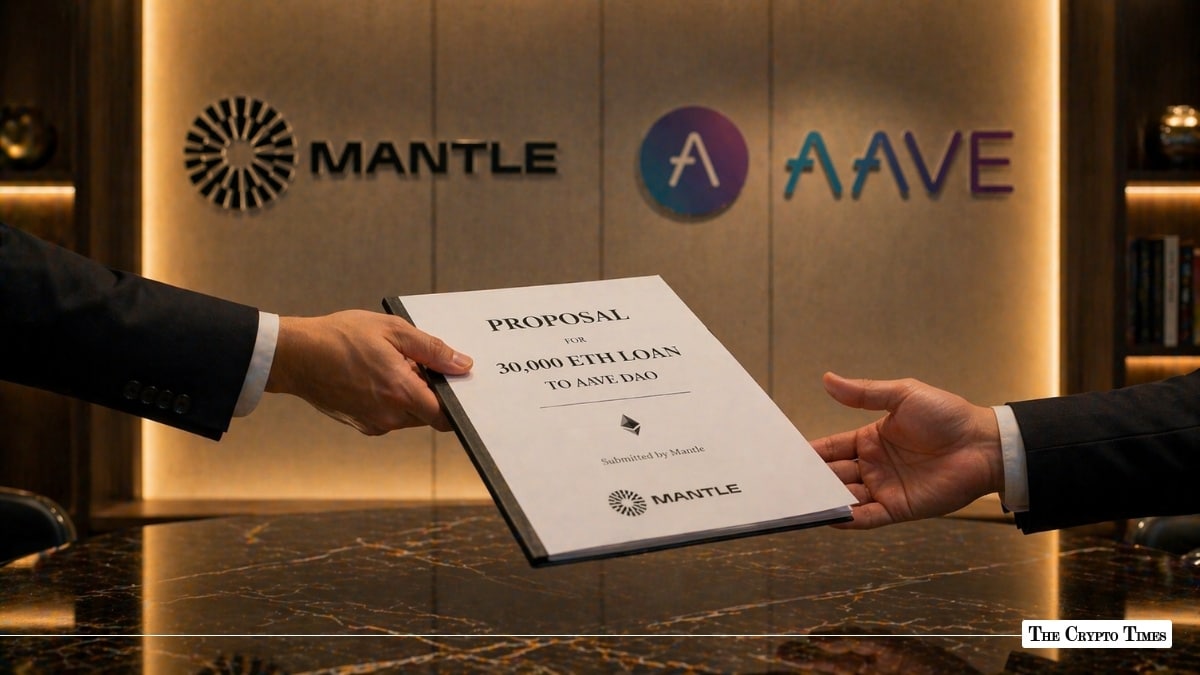
On April 24, Mantle’s Core Contributor Team published MIP-34 as a pre-MIP discussion draft on the Mantle Forum. The proposal authorizes Mantle Treasury to lend up to 30,000 ETH — approximately $69.4 million at current prices — to Aave DAO, to be used exclusively for remediating the rsETH shortfall on Aave V3.
The filing is unusually candid about its own intent. “We turn a moment of crisis for others into a strategic financial and partnership victory for Mantle,” the proposal states in its call to action.
Bybit’s CEO Ben Zhou also backed this proposal stating that, “Bybit, as the biggest holder and supporter of Mantle, will vote YES for this proposal. When we got hacked the industry got together and helped us. It is the only right thing that we do the same to unit together and walk out from difficult times.”
The Structure: Crisis Finance, Not Charity
The terms are structured to look and behave like institutional crisis finance rather than an ecosystem bailout.
The principal is capped at 30,000 ETH, carrying an interest rate of LIDO + 1% APR with a maturity of up to 36 months. Early repayment is permitted without penalty.
More revealingly, the collateral package is substantial. Aave would be required to allocate 5% of Aave protocol revenue plus AAVE tokens worth no less than $11 million in fair market value into a designated multisig. Mantle would hold a first-priority lien and security interest over this wallet. Customary events of default apply—including failure to pay, insolvency, or breach of contract—any of which would make the loan immediately due and payable.
The most strategically interesting term, however, is not financial. Under the proposal, Mantle would also be delegated 130,000 AAVE tokens to participate in Aave’s governance and voting. This grants a rival Layer-2 network a direct governance foothold in DeFi’s largest lending protocol.
Why Aave Might Accept Anyway
Aave’s position is not comfortable. The LlamaRisk incident report estimates bad debt between $123.7 million (socialized across all rsETH holders) and $230.1 million (isolated to Layer 2 networks, concentrated on Arbitrum and Mantle). The DAO treasury holds approximately $181 million — enough to absorb the lower bound, but not the upper, and only at the cost of depleting reserves the protocol may need for other contingencies.
Aave service providers have publicly said they have secured “several indicative commitments from various parties” to address the shortfall. Mantle’s proposal is the first of those commitments to appear in public, with specific numbers attached.
For Aave, the calculation is whether accepting Mantle’s terms — a rival L2’s governance voice, 5% of protocol revenue, and collateralized AAVE tokens — is preferable to socializing the loss across the protocol or drawing more heavily on the treasury. The answer depends on how confident Aave’s DAO is that better terms are available from other committed parties.
What Mantle Gets
The proposal’s benefits section is explicit about Mantle’s strategic calculus. It lists four: yield on idle treasury ETH, positioning as a first-response liquidity provider to stressed DeFi protocols, acceleration of Aave’s native deployment on Mantle Network, and community confidence in active treasury management.
Interest proceeds, the proposal notes, “may be directed to future MNT burn initiatives or ecosystem development” — tying the facility directly to MNT tokenomics.
What Happens Next
The proposal is currently in the discussion stage and has not yet gone to a formal vote. Mantle governance will collect feedback via a forum poll before advancing to a Snapshot vote. Aave DAO would then separately need to approve the facility on its end.
If approved by both sides, MIP-34 would mark one of the first major cross-DAO crisis credit facilities in DeFi history. It would establish a precedent for how a well-capitalized Layer-2 can weaponize its treasury to buy strategic positioning in another protocol during a moment of stress.
Whether the Aave community views that precedent as a necessary lifeline or a hostile overreach will determine how quickly this deal closes.
Also Read: Who Bears the KelpDAO rsETH Losses — Aave, rsETH Holders, or Both? Llamarisk Scenarios vs. Governance Reality