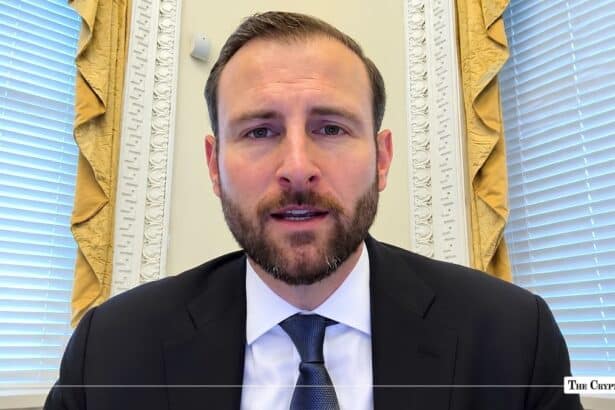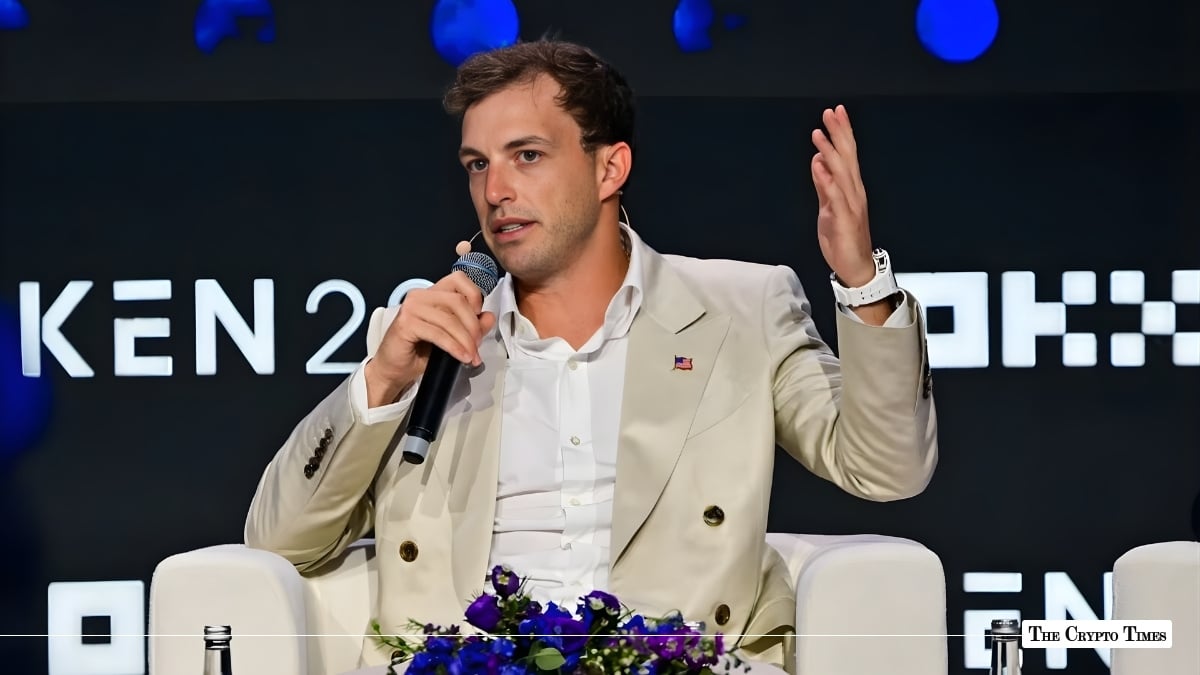
Zach Witkoff, co-founder and CEO of World Liberty Financial (WLFI), has dismissed a lawsuit filed by Justin Sun, calling the claims “entirely meritless” and stating that World Liberty Financial will seek a swift dismissal.
In a detailed X post on Wednesday, Witkoff said the legal action is an attempt to divert attention from Sun’s own conduct, adding that the firm acted to protect its platform and users.
Lawsuit alleges fraud and token freezes
Sun filed the case in a U.S. federal court, accusing WLFI of fraud, breach of contract, and unjust enrichment tied to his investment in the project. He claims the platform improperly froze his tokens and restricted his rights as a holder.
The complaint seeks multiple remedies, including unfreezing the tokens, financial damages, and court orders preventing the project from altering or destroying his holdings. Sun has argued that litigation became necessary after attempts to resolve the dispute privately failed.
Dispute centers on token controls
At the core of the conflict is WLFI’s decision to freeze a large portion of Sun’s tokens after transactions the project flagged as potential violations.
The move followed a contract upgrade that introduced blacklist functionality, allowing the protocol to restrict certain wallets. Sun has challenged both the timing and transparency of that change, arguing it gave insiders disproportionate control. WLFI, however, maintains that the action was justified under its internal safeguards.
Investment relationship breaks down
Sun was one of the project’s largest external backers, investing tens of millions of dollars and later taking on an advisory role. The relationship deteriorated after WLFI tokens became tradable and disputes emerged over token transfers and governance. The breakdown has since played out publicly, with both sides exchanging accusations across social media before the matter moved into court.
Tensions escalated further after WLFI introduced a governance proposal affecting tens of billions of tokens. The plan includes revised vesting schedules and penalties for holders who do not opt in. Sun has opposed the proposal, arguing it unfairly restricts certain investors—particularly those whose tokens remain frozen and who cannot participate in voting.
WLFI signals legal fight ahead
Witkoff said the company will continue to defend its actions and take steps it deems necessary to protect its community. He did not address specific allegations in detail but emphasized confidence in the legal process. The case now moves toward early court proceedings, where judges will consider whether the claims meet the threshold to proceed.
The dispute highlights ongoing tensions in decentralized finance between investor rights and protocol-level controls. Features such as token freezes and contract upgrades, often framed as security tools, can become flashpoints when applied to large stakeholders. As the case unfolds, it may test how courts interpret governance mechanisms and investor protections in blockchain-based projects.
Also Read: Aave Founder Highlights Recovery Plans After $292M KelpDAO Exploit