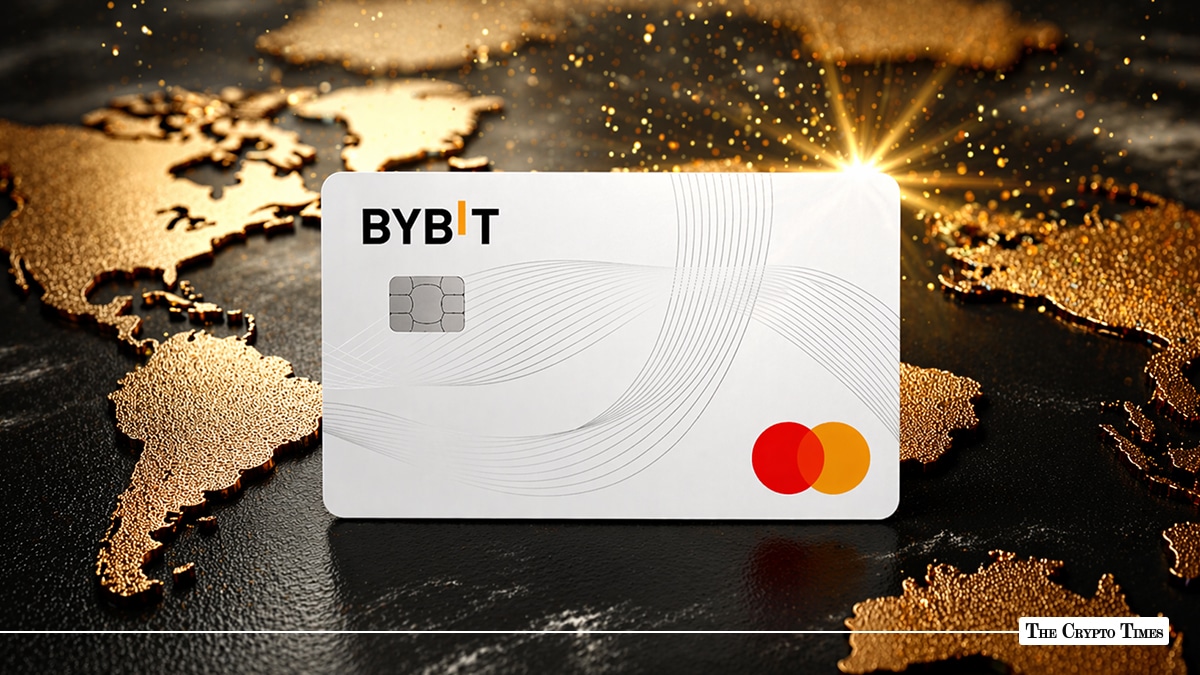
Bybit, the world’s second-largest cryptocurrency exchange by trading volume, said its Bybit Card has reached three million users.
This milestone reflects growing adoption of crypto-backed payment cards that allow holders to spend digital assets without converting them to fiat first, bypassing traditional banking intermediaries for everyday transactions.
The exchange said that the card grew from zero to 1 million users in under two years after launch. It added another 1 million users in the following six months and reached 3 million roughly nine months later. Users have applied the card across categories including travel, groceries, dining and retail, integrating it into routine spending.
Card’s features, functionalities, and growth
Launched with basic payment capabilities, the Bybit Card supports both virtual and physical formats. It works with major networks for online and offline purchases and integrates with Apple Pay and Google Pay. The product carries no issuance or annual fees.
Subsequent updates added multi-asset support, automatic crypto-to-fiat conversion at point of sale, and a rewards program that offers cashback ranging from 2% to 10% on qualifying spending. Higher tiers include targeted promotions, such as up to 50% cashback in select markets, and rebates on subscriptions including Netflix, Spotify, ChatGPT and TradingView (subject to monthly limits and tier eligibility).
Recent additions include deposit bonuses and 10% cashback on initial spending to encourage new user onboarding.
Bybit has linked the card to lifestyle and entertainment experiences. In 2025, it became the official payment partner for Tomorrowland Brasil. The arrangement, extended through 2027, provides cardholders with presale ticket access, cashback on tickets and merchandise, and on-site benefits. The exchange also secured title sponsorship for the Stockholm Open tennis tournament from 2026 to 2028, offering card users early ticket access, premium seating options and cashback on related spending.
Regionally, partnerships include a collaboration with City Mall in Georgia that delivered 50% cashback during promotional periods, along with integrations involving European commerce platforms.
At the time of the announcement, Bybit had not disclosed exact regional breakdowns or average transaction volumes for the card. Crypto payment cards as a category continue to expand as users seek practical ways to use holdings without triggering immediate sales.
Growing popularity of crypto cards
Crypto payment cards have gained notable traction in recent years as users seek practical ways to spend digital assets without first converting them to traditional currency.
The monthly transaction volumes for crypto-linked cards have reportedly risen sharply from around $100 million in early 2023 to over $1.5 billion by late 2025, reflecting broader interest in bridging crypto holdings with everyday purchases.
Major exchanges such as Bybit, Crypto.com, Binance, and Coinbase have expanded their offerings, enabling seamless spending at millions of merchants worldwide via Visa and Mastercard networks.
This growth is driven by features like automatic crypto-to-fiat conversion, cashback rewards, and integration with digital wallets such as Apple Pay and Google Pay, which lower barriers for holders who prefer to retain exposure to their assets rather than sell during transactions.
The rise coincides with increasing global crypto ownership, which approached 560 million people by 2024, and expanding merchant acceptance of digital payments. Crypto-backed debit cards allow users to bypass some traditional banking frictions, particularly in regions with limited banking access or high remittance costs.
However, adoption remains uneven: while volumes have climbed significantly, they still represent a small share of overall payment activity. Some of the challenges persisting around this domain is regulatory clarity, tax implications on conversions, and volatility risks, yet the products continue to evolve with added incentives and lifestyle partnerships.
As infrastructure improves and stablecoins gain ground for lower-volatility spending, crypto cards are positioning themselves as a transitional tool for integrating digital assets into routine financial life.
Also read: South Korea to Use Blockchain Tokens for Government-Backed Public Spending