
Key Highlights
- Bhutan moved 319.7 BTC, signaling ongoing profit-taking from its state-run Bitcoin mining reserves.
- On-chain data shows Bhutan has sold over 9,000 BTC since 2024, reducing holdings sharply.
- Cheap hydro-powered mining once boosted BTC gains, but rising difficulty is pushing strategic sell-offs.
The Royal Government of Bhutan just moved 319.7 BTC, worth about $22.7 million, into two separate wallets. One wallet seems new, probably linked to a crypto exchange, while the other connects to past transactions on platforms like OKX and Galaxy Digital.
On-chain analytics firm Lookonchain noted that this move is part of Bhutan’s plan to cash in on its Bitcoin holdings as prices rise. Since October 28, 2024, the country has continued selling its BTC gradually, with the portfolio dropping from 13K BTC to 3,954 BTC—as per Arkham data.
Most of the Bitcoin held by Bhutan was acquired via state-operated mining efforts that leveraged hydro-power. With relatively inexpensive electricity, it only cost the government $120 million to mine these cryptocurrencies.
The country mined 8,200 Bitcoin in 2023, making approximately $265 million from these endeavors. However, the Bitcoin halving in 2024 led to an increase in mining expenses.
Because of the increased difficulty in mining for cryptocurrencies, Bhutan opted to sell some of its Bitcoin holdings in order to finance public infrastructure and pay civil servants.
The experts regard this latest transaction as an attempt to capitalize on market prices. Bitcoin is currently priced at $70,810.57, as per CoinMarketCap, having decreased 1.23% within the last 24 hours.
Mining efficiency and strategic sales
With increasing mining costs, leading Bitcoin miners are also changing their strategies. One of the largest public Bitcoin miners, MARA Holdings sold 15,133 BTC for approximately $1.1 billion between March 4 and March 25, 2026. The firm used the proceeds primarily to repurchase about $1 billion of its 0.00% convertible senior notes due in 2030 and 2031 at a discount, thereby reducing its debt by roughly 30% and strengthening its balance sheet.
Another publicly traded Cango Inc. cut its average cost to mine one BTC by 19.3%, down to $68,216 in March. The company retired older mining equipment and moved operations to cheaper locations.
Cango also sold 2,000 BTC, worth about $143 million, to pay off crypto-backed debt. “We are redirecting capital from deleveraging toward AI computing infrastructure,” the company said, showing it plans to expand beyond just mining.
Global hashrate trends
Bitcoin mining remains heavily concentrated, with the US, Russia, and China controlling more than 65% of the network’s hashrate. Iran’s mining power dropped about 77% in a single quarter due to conflict, while nearby hubs like the UAE and Oman stayed stable.
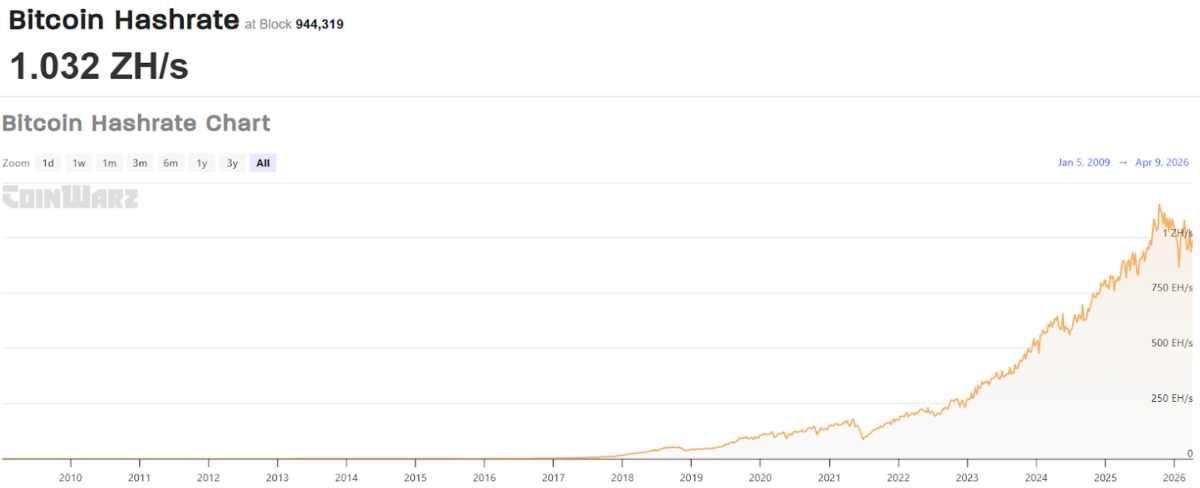
According to CoinWarz data, the Bitcoin network continues to run smoothly, with a global hashrate around 1.032 ZH/s at block height 944,302. Short-term swings between 800 EH/s and 1.2 ZH/s show that miners quickly adjust to energy costs, network difficulty, and market changes.
Bhutan continues to be the seventh-largest country holding Bitcoin despite the Bitcoin movement as per BitcoinTreasuries.net, indicating that the country is managing its Bitcoin reserves wisely.
The latest transfer by the Bhutan government indicates that small countries can leverage their digital currencies for funding various projects.
Also Read: Bitcoin ETFs Records $125M in Outflows While BlackRock’s ETHB Outshines