Key Highlights
- Prosecutors argue SBF’s “weaponization” narrative makes no sense: he was one of the largest Democratic donors in 2020 and 2022, and his campaign finance crimes directly supported those donations.
- The filing reveals SBF planned to raise similar complaints before his trial even ended, as part of a deliberate effort to seek leniency by repositioning himself politically.
- His pre-conviction “to-do” list reportedly included appearing on Tucker Carlson’s show, publicly “coming out as a Republican,” labeling bankruptcy lawyers a “cartel,” and using his donation history to pivot politically.
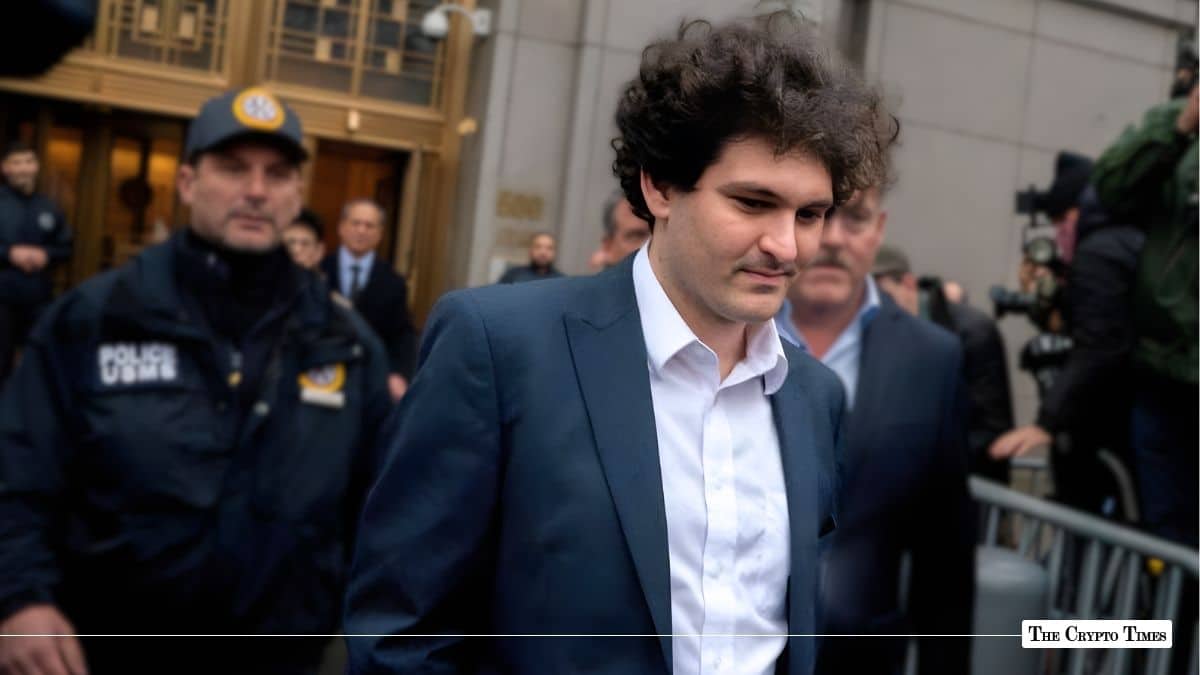
Federal prosecutors in Manhattan urged a judge Wednesday to reject former FTX chief Sam Bankman-Fried’s (SBF’s) request for a new trial, filing a 44-page opposition that dismissed SBF’s arguments as legally baseless and opportunistic, according to Inner City Press.
Bankman-Fried is serving a 25-year sentence after his 2023 conviction on fraud and conspiracy charges tied to the collapse of the cryptocurrency exchange. He filed the pro se motion earlier this year through his mother. He claimed suppressed witness testimony from co-defendants, prosecutorial overreach, and a broader “weaponization” of the justice system against him.
In their response, filed March 11 in U.S. District Court for the Southern District of New York, prosecutors called the political victimization narrative incoherent. They pointed out that Bankman-Fried was among the largest Democratic donors in the 2020 and 2022 cycles, with his campaign finance violations aimed at enabling those contributions. The idea he was targeted for Democratic leanings under a prior administration, they wrote, is “fanciful.”
The filing went further, portraying the complaints as part of a premeditated strategy hatched before conviction. Prosecutors cited a pre-trial “to-do” list in which Bankman-Fried planned to appear on Tucker Carlson’s program, publicly “come out as a Republican,” attack bankruptcy lawyers as a “cartel,” and leverage his donation history for political repositioning—all to seek leniency.
The motion, under Rule 33, requires showing newly discovered evidence material to the case and unavailable earlier with reasonable diligence. Prosecutors argued Bankman-Fried falls short on both counts.
Judge Lewis A. Kaplan, who presided over the original trial, is expected to rule in the coming weeks or months. Such post-conviction requests are rarely granted without compelling new grounds.
Also read: U.S. Regulators End Crypto Turf War as SEC & CFTC Sign Landmark MOU