Key Highlights
- DOJ investigates how Iran allegedly used Binance to route billions through crypto networks linked to Houthi militants.
- An internal Binance probe traced over $1B to Iran-linked entities before investigators were suspended, raising compliance concerns.
- U.S. lawmakers and Treasury monitors question Binance oversight as regulators tighten scrutiny on sanctions evasion.
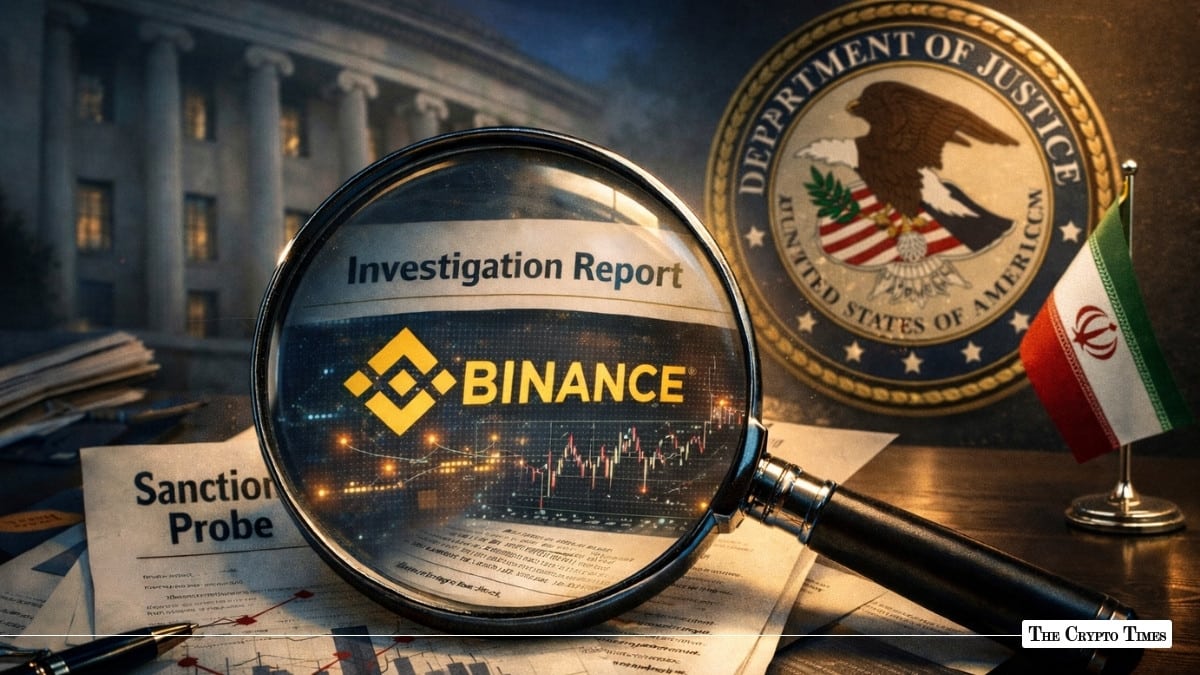
The U.S. Department of Justice (DOJ) has reportedly opened an investigation into whether cryptocurrency exchange Binance was used to help Iran bypass U.S. sanctions.
According to a report by The Wall Street Journal, authorities are examining transactions worth billions of dollars that allegedly flowed through the platform to networks linked to Iran-backed groups, including Yemen’s Houthi militants.
The investigation is focused on understanding how these funds moved through the system and identifying the individuals who may have facilitated the transfers. Officials are currently speaking with people familiar with the Iranian-linked transactions to gather evidence. However, it remains unclear whether the probe is directly targeting Binance or primarily the users who conducted these transactions through the platform.
Binance previously dismantled an internal review that traced over $1 billion moving through the platform to finance Iran-backed entities. Documents and insiders indicate that a Hong Kong-based payments company, Blessed Trust, facilitated most of these transfers.
Binance suspended employees handling these investigations in November, shortly after the team flagged $1.7 billion moving from Chinese clients into wallets linked to Iran’s proxies. The Treasury-appointed monitor overseeing Binance’s compliance program recently requested detailed information on these transactions, highlighting the ongoing concern.
Legal spotlight on Binance
Binance came under the spotlight in 2023 after admitting to anti-money-laundering violations. The company paid a $4.3 billion fine and agreed to follow U.S. oversight rules. Its founder, Changpeng Zhao, got a pardon from President Trump and spent four months in jail for related charges.
Even with these actions, regulators still worry about Binance’s ability to stop users from bypassing sanctions. The platform is required to check clients for potential links to terrorism and report any suspicious transactions to the Treasury. However, officials say Binance has ignored some monitoring requests and even tried to remove the oversight program.
A Binance spokesperson said, “We categorically did not directly transact with any sanctioned entities.” He added that the Iranian connections surfaced only after Binance investigated and coordinated with law enforcement to shut down illicit networks. Binance reported that only $24 million reached wallets linked to the Islamic Revolutionary Guard Corps, which controls significant parts of Iran’s economy.
Congressional and Treasury oversight
Senator Richard Blumenthal last month also opened a separate inquiry, seeking records on flagged transactions, internal reviews, and actions taken after compliance alerts. “The scale of the newly-revealed illicit transfers—uncaught until nearly two billion dollars flowed to sanctioned entities—and the unexplained firing of internal investigators call into question Binance’s compliance with American sanctions and banking laws,” he said.
Binance responded that media reports were false and highlighted its compliance efforts, yet Blumenthal described the response as evasive.
Besides investigations by the Justice Department, the Treasury monitor, and Congress, U.S. authorities are stepping up efforts against Iran’s funding networks. Cryptocurrency plays a big role in moving oil sale profits back to China, which makes regulators worry about how safe and transparent these digital platforms really are. As a result, Binance faces extra pressure to make sure it follows all rules and keeps its operations clean.
Also Read: Congress Moves to Ban ‘Death Bets’ After Prediction Markets Cashed In on Iran War