Key Highlights
- Christopher Giancarlo stated that the ongoing tussle over federal stablecoin legislation risks creating “regulatory chaos.”
- The debate is whether stablecoin holders should receive yield and, if so, who should be permitted to offer it.
- He said the impasse can be resolved, but only if both sides accept structural changes.
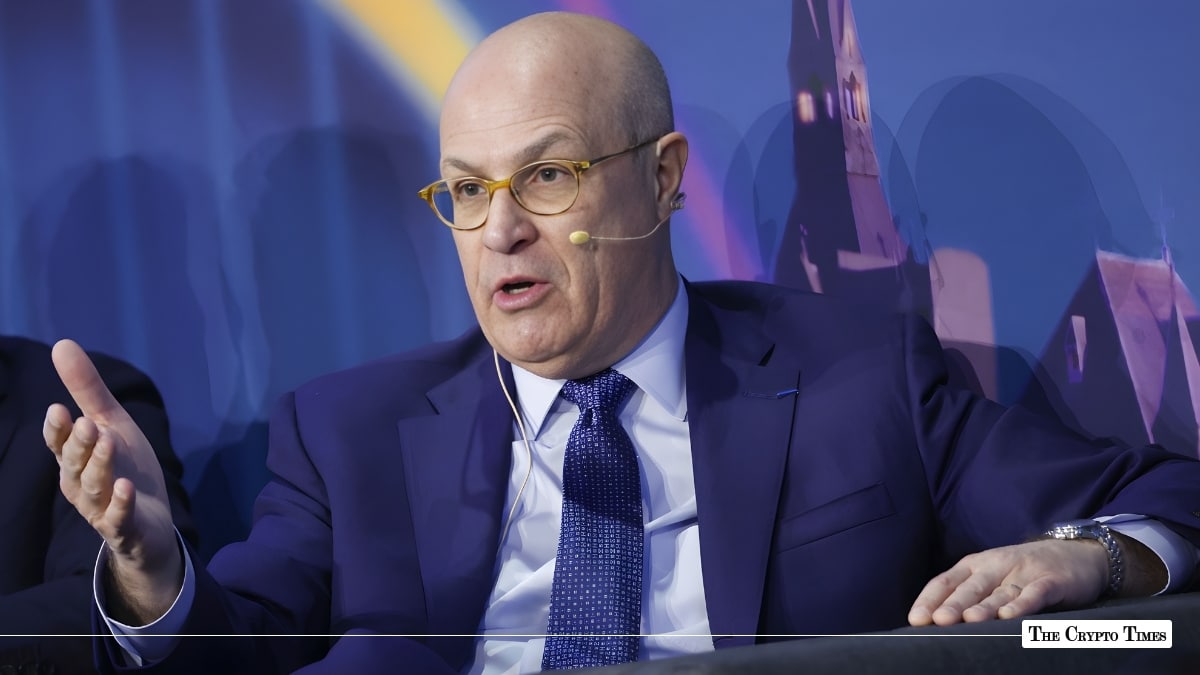
Former Commodity Futures Trading Commission Chairman Christopher Giancarlo pointed out that the ongoing stalemate over federal stablecoin legislation risks creating “regulatory chaos” if lawmakers fail to reach a compromise.
In an article published on Thursday after the White House meeting on stablecoins, Giancarlo argued that disagreements between banks and crypto firms over stablecoin yield are holding up progress on the Clarity Act. In his view, the impasse can be resolved, but only if both sides accept structural changes.
Stablecoin yield at the center of dispute
At the heart of the debate is whether stablecoin holders should receive yield and, if so, who should be permitted to offer it. Traditional banks have raised concerns that interest-bearing stablecoins could draw deposits away from the banking system, potentially weakening funding bases.
Giancarlo rejected the idea that stablecoins pose a systemic threat to deposits. He argued there is no clear evidence linking stablecoin growth to large-scale deposit flight. Instead, he described stablecoins primarily as transactional tools used for payments and settlement, not as substitutes for savings accounts.
He proposed allowing federally chartered banks, including community banks, to offer yield on stablecoin balances held by their customers. Such a move, he suggested, would reduce competitive tensions by giving banks a direct role in the emerging market.
Integrating Banks Into the Framework
Giancarlo’s proposal centered on integration rather than separation. By permitting banks to participate in stablecoin yield structures, he contended that lawmakers can address concerns about uneven competition between regulated financial institutions and crypto-native firms.
He also floated the possibility of allowing third parties to pay yield on stablecoin deposits, provided that safeguards under the GENIUS Act remain intact. The aim, he said, is to maintain oversight standards while enabling product innovation.
Under this approach, banks could treat stablecoins as an extension of modern payment infrastructure, potentially creating new revenue streams and updating legacy systems, particularly for smaller institutions seeking to remain competitive.
Legislative stalemate and the CLARITY Act
The CLARITY Act has faced delays amid wider disagreements about digital asset oversight and jurisdictional boundaries. Giancarlo suggested that continued gridlock risks leaving both the crypto sector and traditional finance in a state of uncertainty.
Without clear statutory guidance, regulatory agencies may pursue overlapping. Giancarlo warned that such a divide could burden institutions, complicate compliance, and weaken consumer protections.
Ripple CEO sees momentum building
Meanwhile, Brad Garlinghouse, CEO of Ripple, has offered a more optimistic outlook on the bill’s prospects. Following the discussions with White House officials and industry leaders on February 19, Garlinghouse said he believes there is an 80% chance the CLARITY Act will pass Congress by the end of April 2026.
He described negotiations between crypto firms and banks as moving closer to a compromise, particularly on stablecoin reward rules, the primary source of delay. He added, “Clarity is better than chaos.”
The bigger picture
Giancarlo framed the current moment as a turning point. He stated that failure to adopt a framework for stablecoins and related digital asset activities would produce “regulatory chaos” that would harm banks and consumers.
He argued that prolonged uncertainty could also discourage domestic innovation and push financial technology development to jurisdictions with clearer rules. The longer Congress delays, he suggested, the more likely the United States is to fall behind in shaping standards for digital payment systems.
Also Read: White House Steps in as Stablecoin Talks Narrow on Yield & Enforcement