Solana Foundation said institutional use of the network is accelerating, pointing to a sharp increase in real-world asset (RWA) activity and participation from major financial and technology firms.
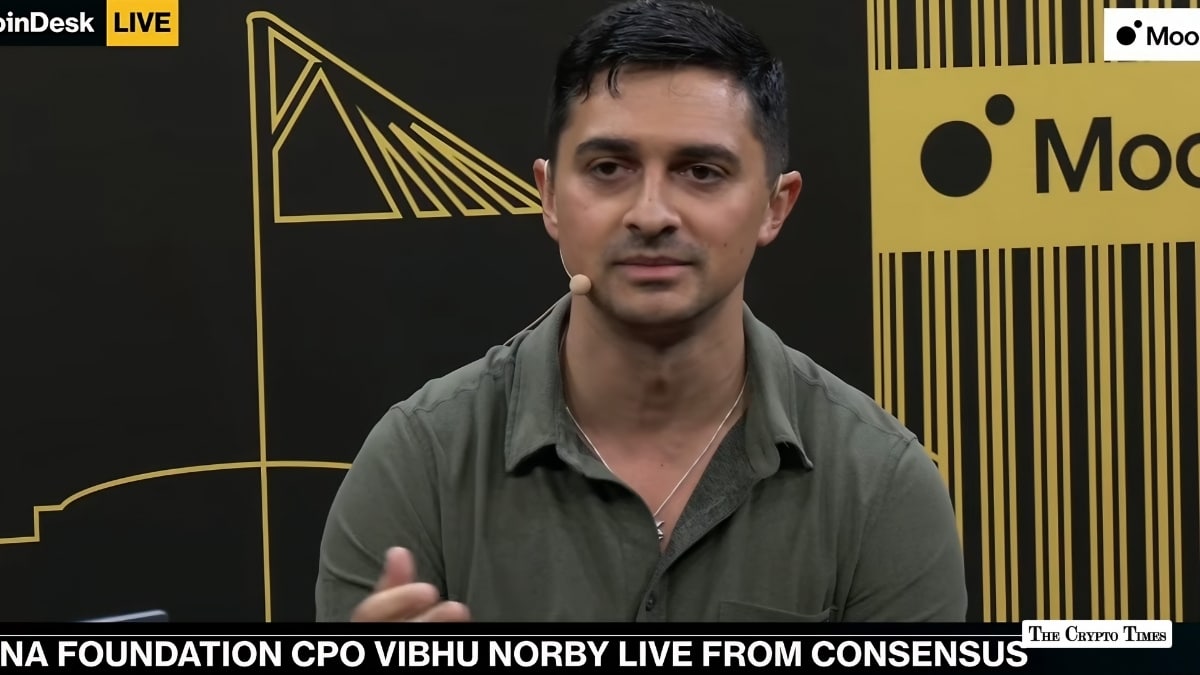
Speaking at Consensus Miami 2026 on Wednesday, Chief Product Officer Vibhu Norby said RWAs on Solana have grown roughly 1,000% since early last year, placing the network among the leading chains by tokenized asset value.
He added, “We’re also seeing EO Banks and Fintex and Technology companies starting to do things on Solana. Last week, Meta announced creator payouts would be in stablecoins, and those stablecoins are Solana-based in Colombia and the Philippines. So, yeah, I think you’re seeing payment distraction, you’re seeing RWAs, treasury funds on chain.”
Banks and payment firms expand use cases
Norby said large institutions are increasingly using Solana for settlement and payments infrastructure. He cited activity involving firms such as JPMorgan Chase, Visa, and Western Union, alongside broader participation from fintechs and neobanks.
These use cases range from transaction settlement to stablecoin issuance, reflecting a shift from experimentation toward more operational deployments.
Stablecoins and global payments gain traction
Recent developments also include stablecoin-based payment initiatives tied to consumer platforms. Norby pointed to Meta introducing stablecoin payouts for creators in markets such as Colombia and the Philippines, with those transactions running on Solana infrastructure.
He said these examples highlight growing demand for blockchain-based payment rails in cross-border and digital commerce contexts.
Broader push toward tokenized finance
Beyond payments, Norby said institutions are exploring tokenized treasury products and other financial instruments on-chain. The combination of RWAs, stablecoins, and settlement activity suggests a broader shift toward integrating blockchain into existing financial systems rather than treating it as a separate market.
Norby described Solana as evolving into a platform supporting a wide range of asset types, from payments to tokenized securities. The increase in institutional participation, he said, reflects both improved network capabilities and a clearer alignment between blockchain infrastructure and traditional financial use cases.
Also Read: Strive CEO Matt Cole Sees Consolidation in Bitcoin Treasury Firms