Key Highlights
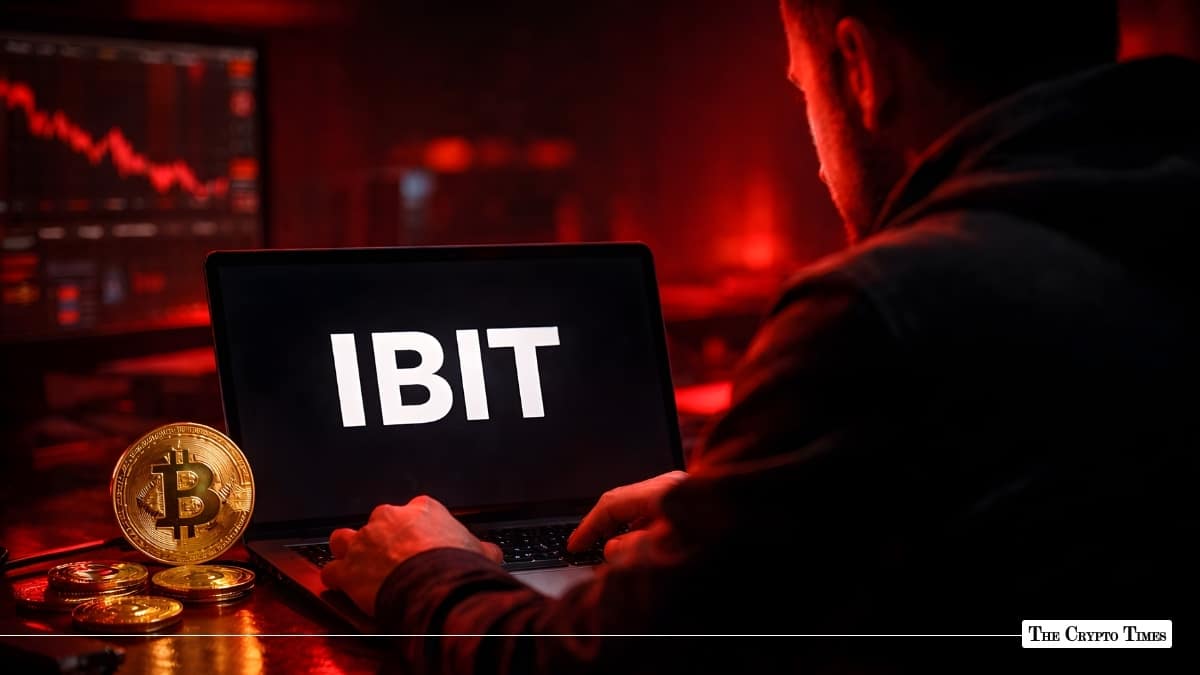
- IBIT hit all-time high volume (~$10B notional) on Feb 5 with nearly $900M options premiums as Bitcoin fell sub $60K lows in a broader market crash.
- Analyst Parker hypothesizes a Hong Kong-based hedge fund’s leveraged IBIT options blowup caused the synchronized plunge, fueled by January 21 Nasdaq options limit removal, yen carry unwind, and silver’s ~20% drop.
- Despite $2.6B+ futures liquidations and ongoing ETF outflows, the single-fund theory lacks proof; critics see broad market capitulation, with possible confirmation in May 2026 13F filings.
The cryptocurrency markets have experienced intense volatility in recent days, with Bitcoin (BTC) and Solana (SOL) dropping sharply in near lockstep. The broader crypto market saw over $2.6 billion in leveraged futures positions being liquidated in the prior 24 hours, predominantly long bets that exacerbated the downturn.
On February 5, BlackRock’s iShares Bitcoin Trust (IBIT) recorded its all-time highest trading volume, with more than 284 million shares changing hands, which is nearly double its previous record. It translates to over $10 billion in notional value—as per Sosovalue data.

Noting the correlation between IBIT volume and Bitcoin market flush, the COO and CIO of DeFiDevCorp, who goes by the username of Parker on X, shared a detailed hypothesis suggesting the chaos originated from a Hong Kong-based hedge fund’s leveraged blowup in IBIT options.
Parker pointed to IBIT’s outsized volume and options flow as evidence of concentrated distress from a non-crypto-focused entity, potentially isolated for margin without cross-collateralization. According to the analyst, options premiums on IBIT reportedly reached around $900 million during the session, signaling extreme activity in derivatives.
Outrageous trading activity on IBIT ETF
Despite the massive volume of over $10 billion, inflows in IBIT itself declined significantly, closing lower amid the Bitcoin rout. The net outflows from the ETF had been noted earlier in the week, including $373 million the prior day, highlighting institutional repositioning or forced exits.
On February 5, Bitcoin fell to lows of $59,900 before recovering to trade around $65,000 by midday, marking a roughly 8% decline in the session amid broader recovery attempts. Solana suffered steeper losses, plunging as much as 16% to trade near $79 after dipping into the low $67, reflecting heightened pressure on altcoins.
Parker noted unusual patterns, including single-asset funds (many Hong Kong-based) holding large IBIT positions per prior 13F filings. He argued this could explain the BTC-SOL correlation if forced selling spilled over.
Broader commodity stress and regulatory context
Supporting the theory, silver price experienced wild swings, plunging nearly 20% on February 5 to below $71 per ounce before partial recovery toward $74. This volatility in precious metals, alongside crypto weakness, hinted at interconnected risk-off pressures, possibly tied to Asian trading desks’ unwinding positions.
Additionally, the ongoing unwinding of the Japanese yen carry trade has been flagged as a key macro factor. With the yen (JPY) strengthening modestly against the dollar, investors who borrowed cheaply in yen to fund higher-yielding assets have faced mounting pressure to unwind positions.
Adding to the fuel is regulatory changes in January 2026 that saw Nasdaq and related exchanges move to remove or adjust position and exercise limits on options for certain Bitcoin and Ethereum ETFs, including IBIT.
The role of Nasdaq
In a subsequent post, Parker highlighted that Nasdaq filings allowed for unrestricted or higher limits on these products. This likely enabled amplified leverage just weeks before the late-January and early-February declines.
“Nasdaq requested that the SEC allow them to remove the options contract caps on the major BTC and ETH ETFs, and requested that they do so immediately without the standard 30 day waiting period. The SEC obliged. The contract caps were removed on Jan 21. $BTC went cliff diving on Jan 29,” Parker shared.
While Parker’s post gained traction in crypto communities, it remains speculative. At the time of publishing, no specific fund has been publicly identified, and high liquidation figures partly contradict claims of “low CeFi” distress. Moreover, critics within the crypto community argue that the volume spike reflects capitulation across the market rather than a single actor.
Also read: Bitcoin Miner Firm MARA Moves $86.9M in Bitcoin: Selling or Custody?