Key Highlights
- El Salvador adds another Bitcoin (BTC) to its central reserve, boosting the total number to 7,525 BTC while planning AI integration for a tech-driven economy.
- Steady Bitcoin buys show a long-term strategy as the IMF praises El Salvador’s budget and financial reforms.
- Global BTC moves: Bhutan invests 10,000 BTC in sustainable projects, while U.S. Bitcoin sales raise strategic concerns.
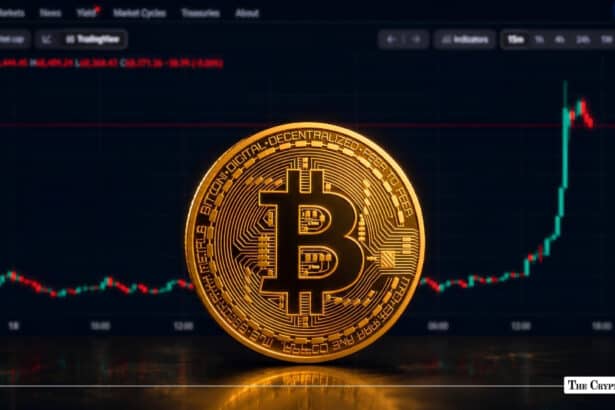
El Salvador has reinforced its position as a global Bitcoin leader by continuously adding stash of Bitcoin (BTC) to its central reserve. The country now holds about 7,525 BTC, worth roughly $684.5 million. This happens as Bitcoin is trading at $90,702, up 1% in the past 24 hours, according to CoinMarketCap.
According to blockchain analytics platform Arkham Intelligence data, El Salvador has kept up with buying 1 Bitcoin every day since November 2022, regardless of market price. These purchases are more of a pattern.
Over the past week, there have been at least seven transactions, all sent to the El Salvador Government from different Bitcoin addresses. Having around 56 total transfers, the consistent size and timing suggest the government is buying steadily, rather than making one big, random purchase.
Strategic focus on technology
Apart from the latest accumulation, El Salvador’s National Bitcoin Authority announced this week that the country will prioritize Bitcoin and artificial intelligence (AI) in 2026. Officials confirmed that the government plans to integrate both technologies into the national infrastructure.
By combining blockchain transparency with AI efficiency, the administration seeks to create a tech-driven economic model that strengthens financial independence.
“This policy positions Bitcoin and AI as essential national infrastructure rather than speculative tools,” officials said. This framework seeks to ensure the improvement of public services, the health care system, the administration of energy, and decision-making when it comes to legislative power. The strategy of the government now points to a future plan of being self-reliant when it comes to technology.
IMF support amid Bitcoin controversy
El Salvador is sticking with its Bitcoin plan, with the world watching closely. As the year closed, the International Monetary Fund (IMF) said the country’s economy is looking better, with growth expected to hit 4% this year. The IMF also praised the government for balancing its budget—cutting deficits while still increasing spending on social programs.
El Salvador also made several big changes to strengthen its financial system. This includes new rules for banks that follow international Basel III standards, a study on pensions, and tougher laws to fight money laundering. The IMF said these steps should help the country rebuild its savings and borrow less at home, even though questions about Bitcoin transparency remain.
Global Bitcoin moves
El Salvador isn’t the only country using Bitcoin to boost its economy. Bhutan recently set aside 10,000 BTC—worth almost $900 million—to fund its Gelephu Mindfulness City project. The plan is to build a modern, sustainable economic hub in southern Bhutan. Over the years, the Himalayan nation has mined and saved Bitcoin, using its hydroelectric power to generate income.
Meanwhile, in the U.S., the Department of Justice sold $6.3 million in Bitcoin forfeited by Samourai Wallet developers, potentially violating Executive Order 14233. The act requires that any BTC seized via criminal forfeiture shall be maintained in the U.S. Strategic Bitcoin Reserve. The sale, potentially via a route that did not involve a government holding, caused concern regarding compliance and crypto assets.
Also Read: China Plans to Pay Interest to Digital Yuan Holders