Key Highlights
- Japan proposes moving crypto oversight from the PSA to the FIEA.
- IEOs and token issuers would face stricter disclosure and audit standards.
- New liability-reserve and tax reforms signal a deeper shift toward securities-style regulation.
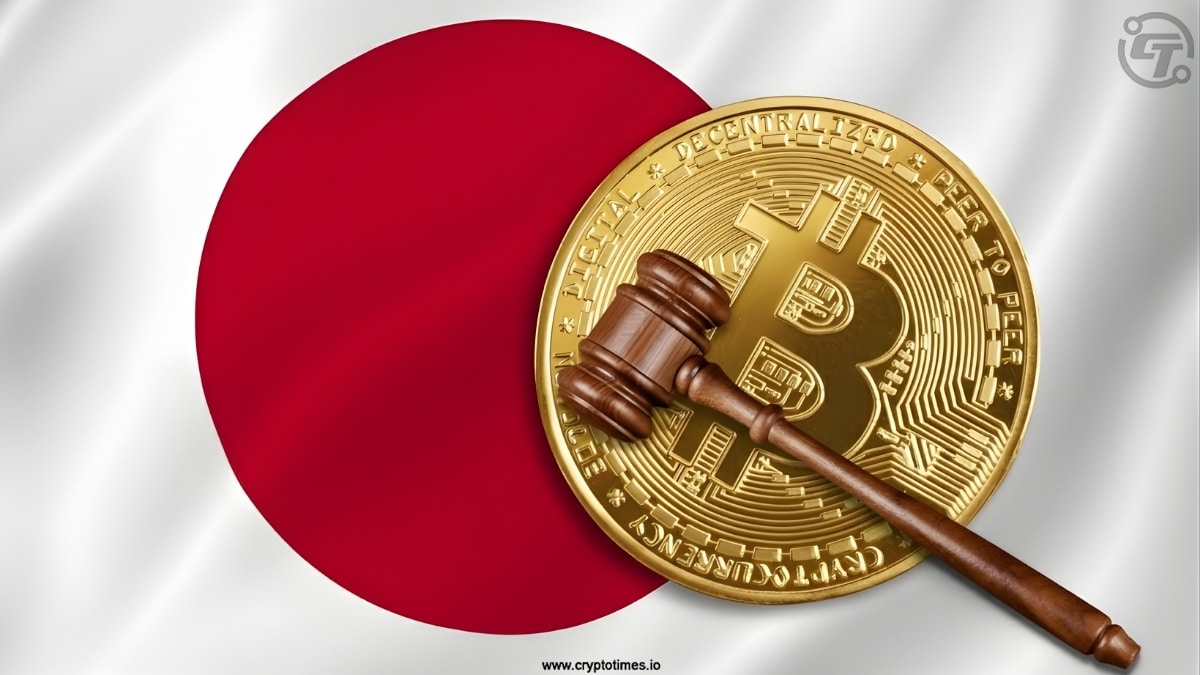
Japan’s Financial Services Agency (FSA) is moving to overhaul how crypto is regulated, proposing to shift oversight from the Payment Services Act (PSA) to the Financial Instruments and Exchange Act (FIEA). The plan, introduced by the FSA’s Financial System Review Board on Wednesday, would place digital assets under the same rules that govern securities and investment markets.
Policymakers say the change is needed because crypto now functions more like an investment product than a payment tool. The proposal comes as exchanges, issuers, and regulators worldwide reassess how to classify and supervise the fast-growing digital-asset sector.
New token categories and lower taxation
The overhaul builds on recent discussions about categorizing more than 100 major cryptocurrencies as investment products. Under review since mid-November, the plan would use criteria such as issuer transparency, technical reliability, and user safety to determine which assets qualify.
In parallel, Japan is weighing a tax reform that would reduce the top crypto-trading tax rate from 55% to a flat 20%, mirroring capital-gains treatment for stocks and simplifying reporting for individual investors.
From PSA to FIEA: What changes
If crypto assets are moved under the FIEA, IEOs run by exchanges would face stricter presale disclosure rules, including clear identification of project teams, independent code audits, and review input from self-regulatory organizations. Even decentralized issuers would be required to reveal identities and provide detailed token-distribution frameworks.
The shift would also give regulators stronger tools to act against unregistered platforms, including overseas exchanges and DEX-like marketplaces, while formally prohibiting insider trading in digital assets. This would bring Japan closer to Markets in Crypto-Assets Regulation (MiCA)-style global standards.
Japan’s recent hardening stance
The FSA has already signaled a tougher approach. On November 25, the agency proposed requiring crypto exchanges to hold liability reserves similar to securities firms, ensuring customer protection in the event of hacks or operational failures. Japan is also reviewing whether major cryptocurrencies should be legally classified as investment products.
These moves point toward a unified regulatory strategy: treat crypto more like financial instruments and ensure the institutions handling them operate under securities-grade rules.
Closing outlook
Japan’s proposed FIEA transition, new tax treatment, tighter IEO standards, and exchange-reserve requirements mark one of the country’s most consequential crypto reforms in years.
As the FSA refines its proposals heading into 2026, exchanges, issuers, and investors will be watching how the final rules shape Japan’s position in the global digital-asset market.
Also read: Singapore Tops 2025 Global Crypto Adoption Rankings: Bybit Report