Of late, Tap-to-earn crypto games have turned into a massive global rage, with millions of dedicated followers hooked to their cellphones, stocking up in-game rewards and tokens, hoping to encash them one day.
Fathom this- four Telegram based games Hamster Kombat, PixelTap, TapSwap and MemeFi- have a collective fan base of over 400 million players. These players, aged anywhere between 15 to 50, are found from Iran to India and Russia to Australia. Some love detailed gameplay with high end graphics like Nakamoto games and Beam Hub while others prefer simplistic clicker games like Hamster Kombat and MemeFi.
But is the utopian dream of becoming an overnight millionaire by simply playing a clicker game on Telegram, any closer to reality than fiction? Is there real money to be earned by users of crypto games or is it just an elaborate scam to hype up a token to pump and dump?
In this article, we will dissect the top trending crypto games and evaluate the claims made by the games’ developers and whether we can smell the moolah or bull crap.
What are Tap-to-Earn Games?
Tap-to-earn games are defined by their simplicity. Players interact with a game bot on platforms like Telegram, tapping continuously on icons or coins to accumulate points or in-game currency, which can later be exchanged for real-world value.
This easy-to-understand gameplay makes T2E games particularly appealing even for newcomers to the crypto space. Many games also give the option of staking the reward tokens to complete tasks and gain more rewards in the gameplay. Notcoin was the first popular Tap-to-earn game on Telegram which also has its native token launched with significant buzz.
The game allowed players to earn points through tapping, which could be converted into $NOT tokens on TON. The game rose in popularity after many early users received unexpected rewards and thereby started a trend of clicker games.

Issues with Top Tap-To-Earn Clicker Games
Hamster Kombat
In the Hamster Kombat game, players tap to complete tasks and earn rewards. However, the game’s enormous user base and high engagement come with significant concerns. Hamster Kombat has made bold promises regarding future airdrops, but its white paper lacks transparency, and many users are sceptical about these airdrops materializing. Even projects with huge fundings by Venture Capitalists have failed to deliver meaningful rewards, and Hamster Kombat’s experience underscores this issue. The game’s focus on user acquisition through referrals and shares rather than sustainable value creation further fuels skepticism.
TapSwap:
TapSwap is another notable T2E game that mirrors Notcoin’s approach. While TapSwap has attracted millions of players, it suffers from a lack of detailed white paper and tokenomics, much like its predecessors. And there were no official announcements of listing the respective tokens on the exchange . The long-term prospects of TapSwap remain uncertain, as it faces the same issues that plague other T2E games.
PixelTap:
PixelTap offers a cyberpunk twist to the T2E model, combining tapping mechanics with combat and quests. Players progress through various missions by tapping, which adds excitement to the typical T2E gameplay. Despite its engaging experience, PixelTap faces similar criticisms concerning sustainability. Though it is being listed in tokenomics it failed to keep the promise as it claimed the lack of a comprehensive white paper and reliance on aggressive marketing tactics raise concerns about its future.
Memefi and Musk Empire:
Memefi and Musk Empire are also part of the growing T2E trend, each employing tapping mechanics to reward players. Memefi involves collecting points through tapping . However, both games suffer from the same issues as their predecessors, a lack of white papers and concrete plans. Also there was no listing of tokens at any major exchanges. The developers’ focus on creating hype rather than delivering clear, long-term value raises questions about these games’ true worth.
Problematic Marketing Strategy of Tap-to Earn Games
The rise of T2E games can be largely attributed to aggressive marketing strategies employed by developers, that create a buzz but is often short sighted.
Many of these projects focus on creating hype and gaining users through referrals and shares. Engagement Farming is done by Youtube videos rather than establishing solid foundations and long-term value. This marketing approach lacks proper documentation, including detailed websites, transparent white papers, or substantial backing. Consequently, many of these projects fail to deliver on their claims.
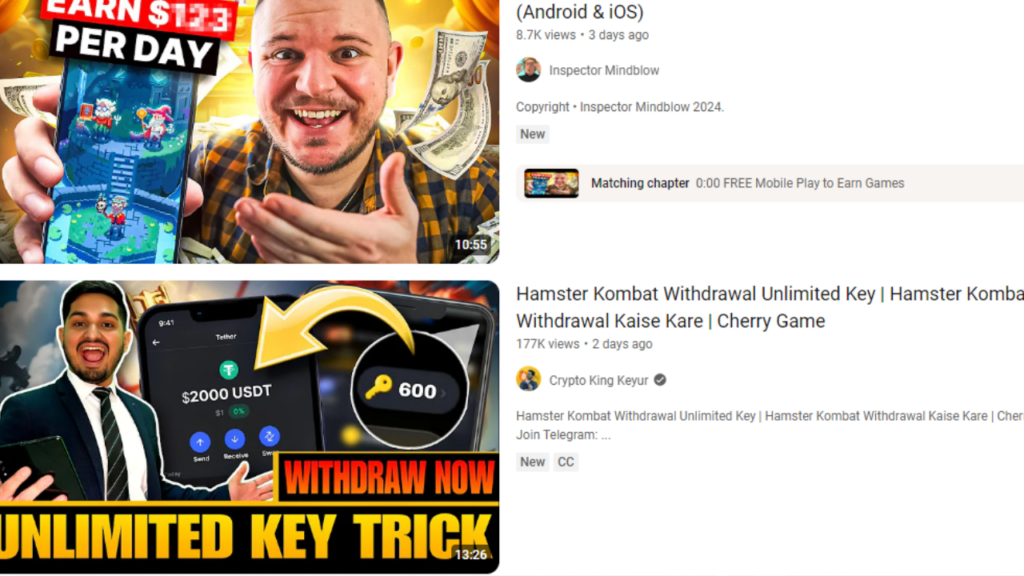
The excitement surrounding T2E games can often overshadow their inherent flaws. Players might be promised substantial rewards for accumulating points through endless tapping, but in reality, the returns are negligible. In some cases, players who have amassed billions of points acquired through extensive tapping, watching videos, referrals, and other activities are told that these billions of points translate to just $1. This represents a classic case of a scam, where users invest time and effort with little to show for it.
Rising Global Financial Distress behind popularity of Tap-to-Earn Games

The global popularity of T2E games in regions like India, Africa, Russia, Turkey, Iran, and Canada can be attributed to several factors. Economic instability, boom in population and limited job opportunities drive people to explore alternative income sources. For many, T2E games offer a novel way to earn money through digital engagement, appealing to those seeking financial stability. The common thread across these regions is the search for financial stability and the allure of earning through gaming.
Is there real money involved in Tap-to-Earn games?
Despite the excitement, many Tap-to-earn games are still in their early stages. Promises of substantial earnings are not always backed by solid evidence. The lack of token listings and real-world success stories raise questions about the long-term viability of such games. Developers may use extensive marketing tactics to attract players, but whether these games will deliver on their promises remains uncertain.
For players, it’s crucial to research each game’s white paper or litepaper, understand the tokenomics, and stay informed about official announcements regarding token listings. While the T2E model has potential, it’s essential to approach it with caution and avoid falling for exaggerated claims or hype-driven promotions. The current trend highlights the need for careful consideration and due diligence.
Conclusion
While Tap-to-Earn games offer an intriguing blend of cryptocurrency and gaming, their long-term value remains uncertain. The initial appeal of easy rewards often masks concerns about sustainability and fairness. As the hype fades, it’s crucial to question whether these games genuinely benefit users or primarily serve the interests of developers. T2E games disproportionately favor their creators, leaving players with minimal returns despite the promises. The real test will be whether these games can provide lasting value and avoid becoming just another fleeting trend in the evolving gaming and crypto landscape.
Also Read: Four Telegram Crypto Games The World Can’t Stop Talking About