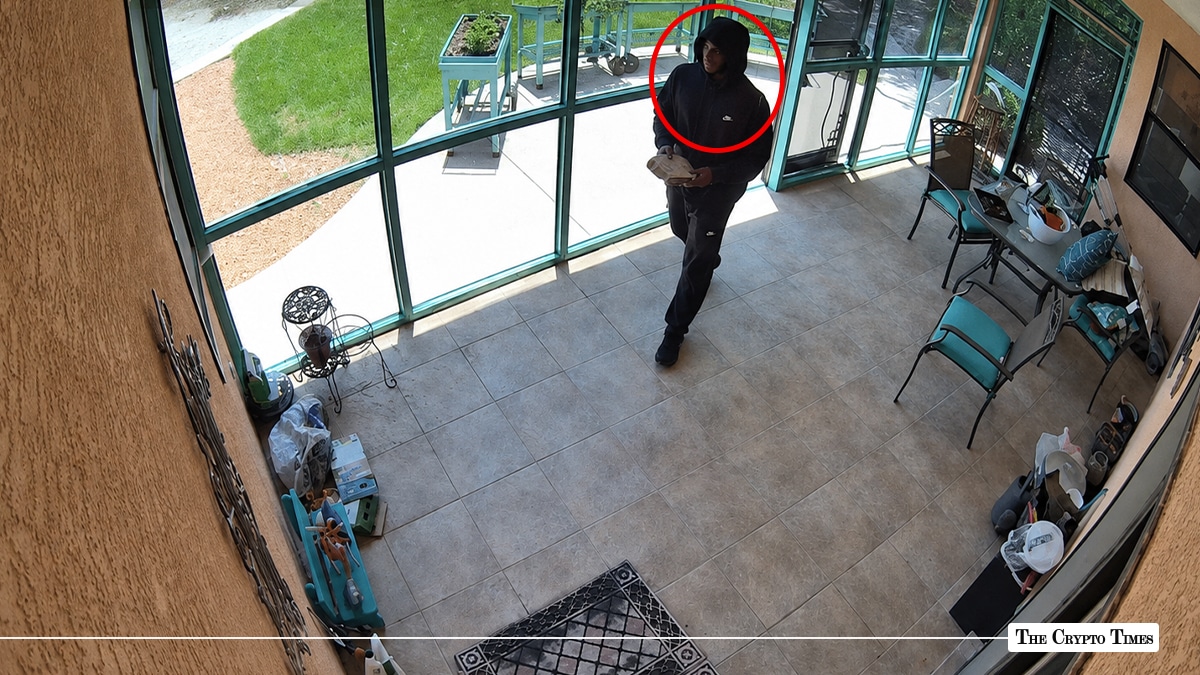
U.S. authorities have sentenced Marlon Ferro, a 20-year-old California resident and widely known online as “GothFerrari,” to 78 months in federal prison for his involvement in a sprawling cryptocurrency theft operation that stole more than $250 million from victims across the United States. The full restitution figure of $2.5 million is tied specifically to Ferro’s individual conduct.
According to the official release, Ferro played a key role in a multi-state criminal enterprise that combined social engineering scams, hacking, residential burglaries, and money laundering to target crypto holders between late 2023 and early 2025.
The sentencing was announced by the U.S. Attorney’s Office for the District of Columbia, with Judge Colleen Kollar-Kotelly presiding, which described the operation as one of the most sophisticated crypto-related criminal conspiracies uncovered in recent years.
Crypto fraud meets physical burglary
Federal prosecutors said Ferro acted as the group’s “last resort” operative when victims refused to hand over wallet credentials or when hackers failed to gain remote access.
“When his co-conspirators couldn’t deceive victims into handing over access to their cryptocurrency or hack their way into digital accounts, they turned to Ferro to break into homes and steal hardware wallets outright,” said U.S. Attorney Jeanine Ferris Pirro.
Authorities revealed that Ferro traveled across multiple states carrying out physical break-ins targeting crypto investors believed to hold large digital asset portfolios.
In one case, Ferro allegedly broke into a home in Texas in February 2024 and stole a hardware wallet containing nearly 100 Bitcoin, valued at more than $5 million at the time.
In a second incident in July 2024, investigators said, Ferro traveled to New Mexico, where he surveilled another victim’s home for several days before smashing a window with a brick in an attempt to steal additional crypto storage devices.
The stolen funds were allegedly laundered by members of the ring through crypto exchanges and converted into luxury spending.
According to court documents, members of the enterprise spent stolen crypto on luxury watches worth up to $500,000; exotic cars valued at millions of dollars, private jet travel and luxury rental properties; designer clothing and handbags; and high-end nightclub services costing hundreds of thousands per night.
Authorities also accused Ferro of helping co-conspirators move stolen crypto through fraudulent payment accounts and illicit exchanges.
Restitution and federal oversight
Ferro pleaded guilty in October 2025 to conspiracy charges tied to racketeering activity. Law enforcement also recovered firearms and fake identification documents during Ferro’s arrest in California. The investigation involved the FBI, IRS Criminal Investigation Division, and multiple federal agencies.
The case highlights increasing regulatory and law enforcement focus on digital asset-related crime as the crypto industry expands globally.
Earlier this year, U.S. authorities also charged Jonathan Spalletta in connection with the $54 million Uranium Finance exploit after he surrendered to investigators. Prosecutors stated he could face up to 30 years in prison if convicted.
The growing number of prosecutions signals a broader crackdown on crypto fraud, hacking, and laundering schemes, as regulators and law enforcement agencies intensify oversight across the digital asset sector.
Also read: TrustedVolumes Exploit Drains $5.9M Through 1inch Liquidity System